
Understanding Your Water Meter Register: A Guide to Water Consumption
2024-04-25
Residential Water Meter | Single Jet Water Meter | Multi Jet Water Meter | Volumetric Rotary Piston Water Meter | Ultrasonic Water Meter | Ultrasonic Heat Meter
Woltman Water Meter | Smart Water Meters | Direct Read Water Meter | Electromagnetic Water Meter | Multi Jet Wet Type Liquid Sealed Intelligent Water Meter
Woltman Water Meter | Smart Water Meters | Direct Read Water Meter | Electromagnetic Water Meter | Multi Jet Wet Type Liquid Sealed Intelligent Water Meter
Water is a precious resource, and understanding how much your household utilizes is crucial for responsible consumption and efficient budgeting. While the water meter itself may appear like a silent guardian outside your home, its register holds valuable information about your water usage. This article delves into the intricacies of water meter registers, empowering you to decipher the numbers and gain valuable insights into your water consumption patterns.
Here is the content list:
1. Beyond the Sweep Hand: Unveiling the Register's Secrets
2. Demystifying Dial Readings: A Step-by-Step Guide
1. Beyond the Sweep Hand: Unveiling the Register's Secrets
2. Demystifying Dial Readings: A Step-by-Step Guide
3. The Power of Knowledge: Benefits of Understanding Your Register
Beyond the Sweep Hand: Unveiling the Register's Secrets
A typical water meter boasts two key components: the sweep hand and the register. The prominent sweep hand rotates continuously as water flows, offering a quick visual indication of water usage. However, its primary function lies in leak detection – a constantly moving dial even when no water is being used could signal a hidden leak within your plumbing system.
A typical water meter boasts two key components: the sweep hand and the register. The prominent sweep hand rotates continuously as water flows, offering a quick visual indication of water usage. However, its primary function lies in leak detection – a constantly moving dial even when no water is being used could signal a hidden leak within your plumbing system.
The true hero for understanding water consumption lies within the register. This section consists of several dials, typically black and red, displaying numbers that represent the total volume of water used. These dials, often ranging from four to eight depending on the meter model, can be intimidating at first glance. But fret not! Understanding the underlying principle is quite straightforward.
Each dial represents a specific place value, similar to how you read an odometer on a car. Imagine these dials as a team, each holding a specific value. The rightmost dial holds the units value, followed by tens, hundreds, thousands, and so on, as you move leftward. Just like adding the digits on an odometer reveals the total miles driven, summing the values on each dial unveils your total water consumption.
A Word to the Wise: Every water meter model might have slight variations in the number of dials and their color scheme. To ensure accurate interpretation, it's highly recommended to consult your water provider's website or contact them directly. They can provide specific instructions tailored to your meter model, making the reading process even more seamless.
Demystifying Dial Readings: A Step-by-Step Guide
Ready to unlock the secrets of your water meter register? Here's a breakdown of how to interpret the values displayed on those dials:
Ready to unlock the secrets of your water meter register? Here's a breakdown of how to interpret the values displayed on those dials:
- Identifying the MVP: Amongst the dials, locate the last one displaying a non-zero value. This champion, representing the units place value, holds the key to unlocking the total consumption.
- Decoding the Team Effort: Now, embark on a journey from right to left. Start with the MVP and note the number displayed. Move leftward, multiplying each digit by its corresponding place value. Remember, the dial to the immediate left represents tens (multiply by 10), followed by hundreds (multiply by 100), and so on.
- The Grand Finale: Summing it Up: Once you've multiplied each digit by its place value, it's time for the grand finale! Simply add the values from each dial to obtain the total water consumption.
For example, imagine the last non-zero dial shows a "5" and the dials to its left display "2" and "1". Here's how to calculate the total water consumption: 5 (units) + (2 x 10) + (1 x 100) = 125 units. Don't Forget the Units! Remember, the value you obtain represents the total water consumption based on the unit displayed on your meter (e.g., cubic meters or gallons). Refer to your water provider's conversion chart if needed to translate this value into a more familiar unit.
The Power of Knowledge: Benefits of Understanding Your Register
By understanding your water meter register, you gain the power of knowledge, unlocking valuable insights into your water usage patterns. This knowledge empowers you in several ways:
By understanding your water meter register, you gain the power of knowledge, unlocking valuable insights into your water usage patterns. This knowledge empowers you in several ways:
- Leak Detection Superstar: As mentioned earlier, a continuously moving sweep hand even when no water is being used could indicate a hidden leak. By regularly checking your register readings and comparing them to past consumption patterns, you can become a leak detection hero and identify potential problems before they cause significant damage.
- The Water Consumption Detective: Regularly recording your meter readings allows you to monitor water usage trends. By analyzing these trends, you can identify areas where you might be using more water than necessary and implement water conservation strategies.
- Budgeting with Confidence: Knowing your average water consumption empowers you to better estimate your water bill. This allows for more informed budgeting and helps avoid any unwelcome surprises on your water bill.
Ultimately, understanding your water meter register is a simple yet powerful tool for managing your water usage and promoting responsible consumption. By taking the time to familiarize yourself with your meter and its register, you can become a water-wise consumer and contribute to a more sustainable future.
If you still have questions or if you need more information of water meters, you can contact us freely. Our website is https://www.kinmeter.com and mail is yueray@kinhil.com, Kinhil is dedicated to providing high quality water meters and good service to our customers and friends!
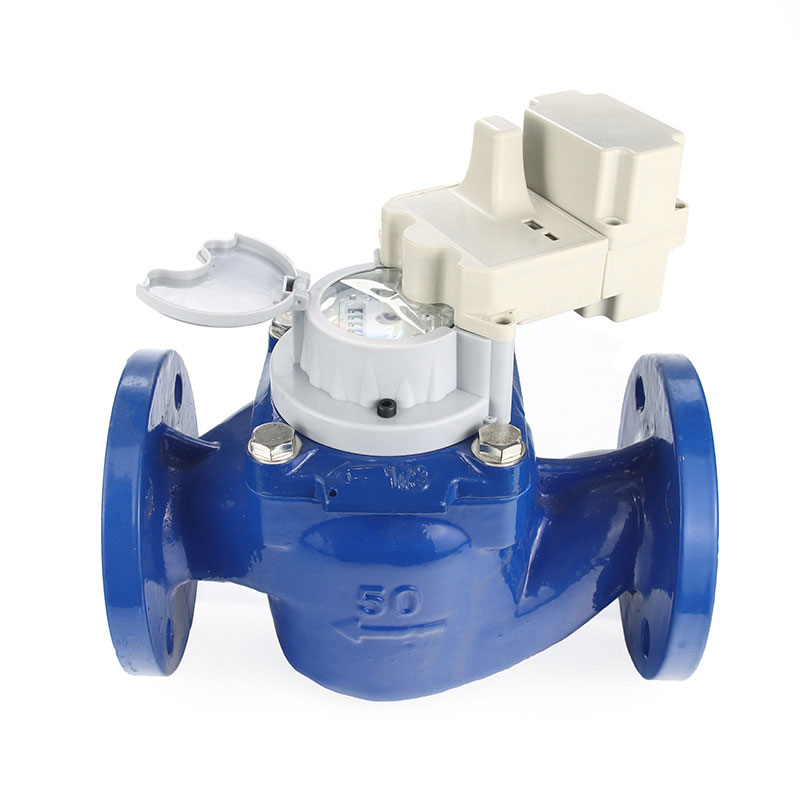 Water Flow Meter Drives Smart Water Management Upgrade
 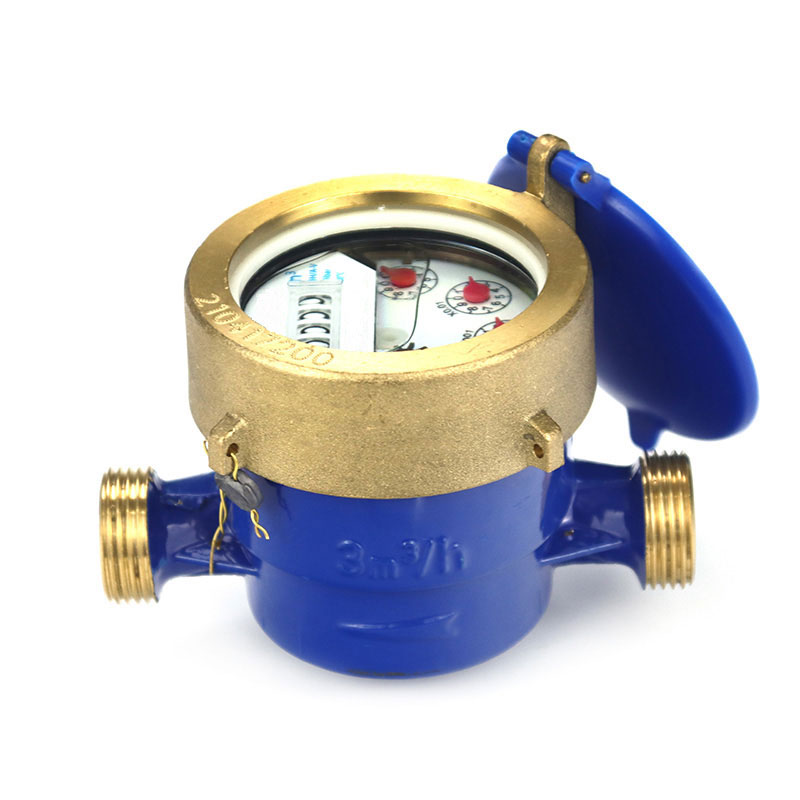 Old water meter replacement campaign launched: Solving metering challenges, benefiting millions of residents
 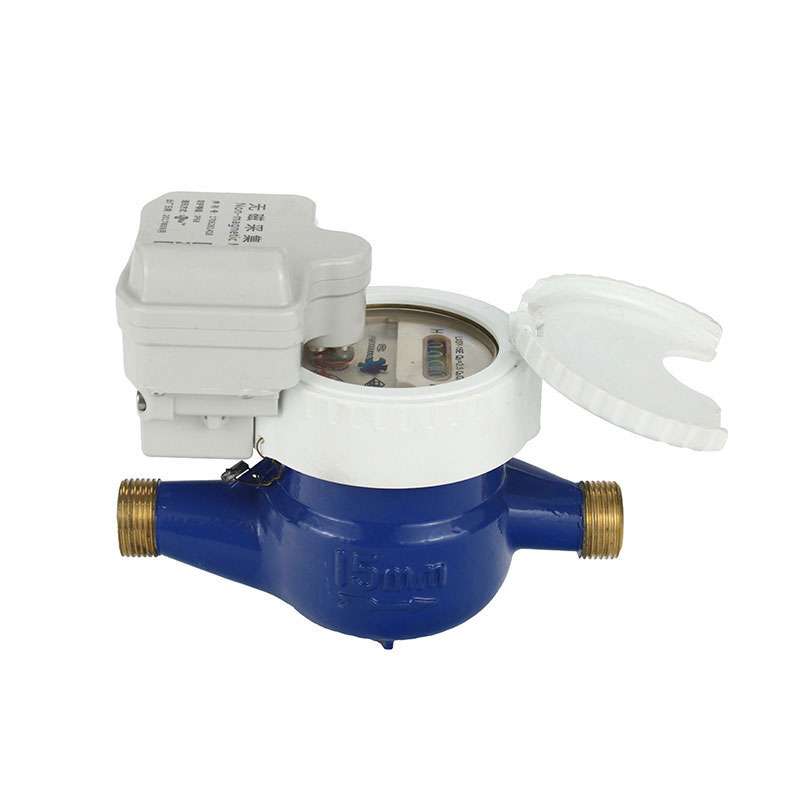 Smart Water Meters: The Digital Pulse of Urban Water Management
 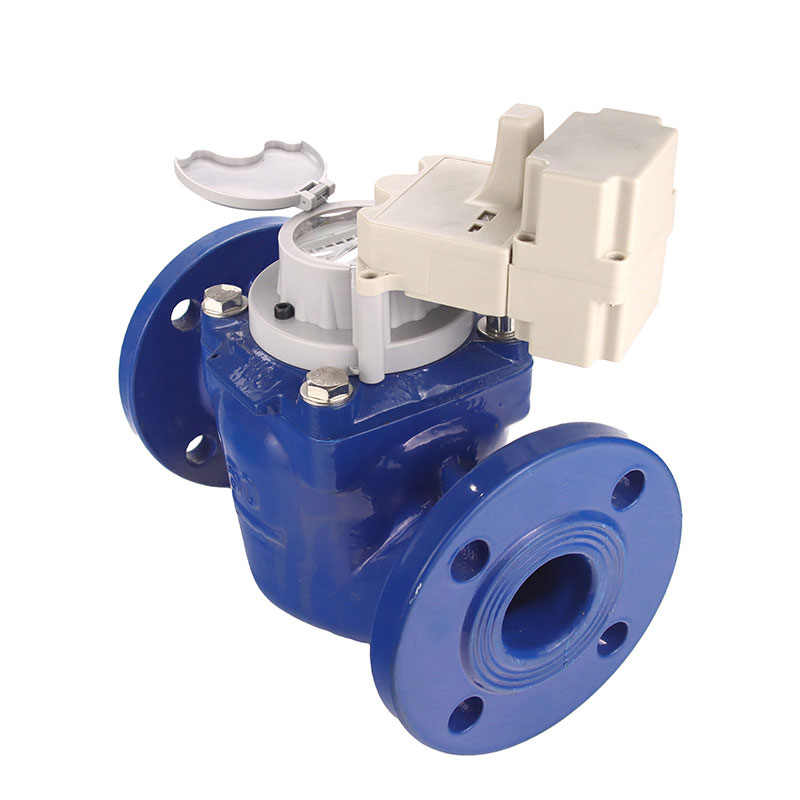 Say Goodbye to Overdue Bills – Start with a Prepaid Water Meter
  The Ultimate 2025 Guide to Water Meter Reading Worksheets
  Vertical vs. Horizontal Water Meters: A Comprehensive Analysis
  Wireless Water Meters: A Revolution in Water Management
  Compound Water Meters: A Comprehensive Guide
  How to Properly Size a Water Meter
  Protecting Your Water Meter from Winter's Chill
  Revolutionizing Water Management: The Multi Jet Dry Type Intelligent Iron Water Meter
  Removable Woltman Water Meters: A Closer Look
  Understanding Electromagnetic Meters: Precision Tools for Accurate Water Measurement
  Valve Controlled Remote Intelligent Water Meters: A Revolution in Water Management
  The Inner Workings: Exploring Materials in Water Meter Bodies
  Your Water Bill: The Story Told by Your Water Meter Data
 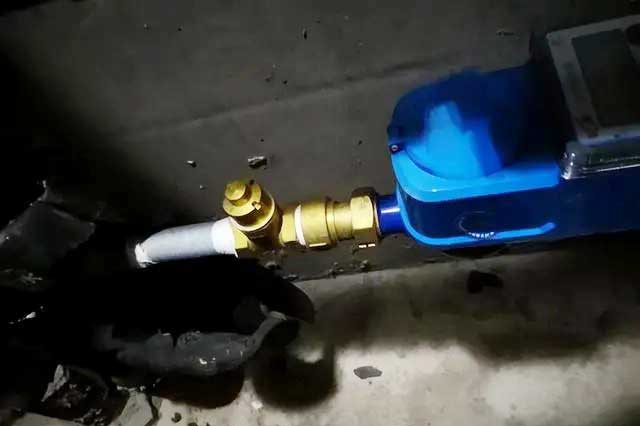 The Silent Leak: Detecting Water Meter Issues for Efficient Water Management
  The Split-Case Advantage: Understanding Split-Case Water Meter Bodies
  The Indispensable Filter: Understanding Water Meter Strainers
 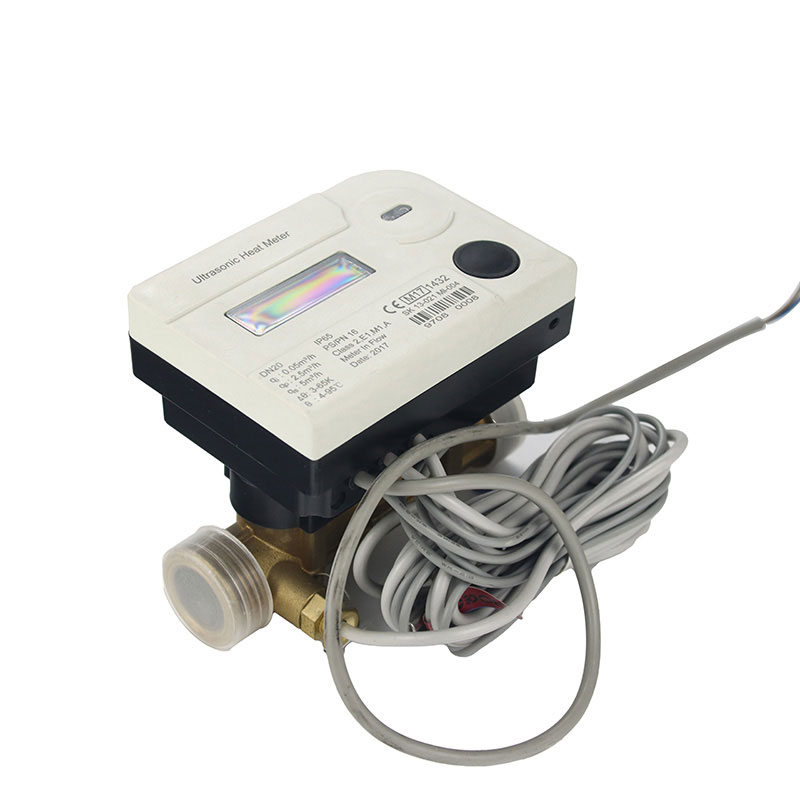 Wet vs. Dry Water Meters: A Comprehensive Guide to Understanding the Differences