
Smart Water Meters: The Digital Pulse of Urban Water Management
2025-07-21
Residential Water Meter | Single Jet Water Meter | Multi Jet Water Meter | Volumetric Rotary Piston Water Meter | Ultrasonic Water Meter | Ultrasonic Heat Meter
Woltman Water Meter | Smart Water Meters | Direct Read Water Meter | Electromagnetic Water Meter | Multi Jet Wet Type Liquid Sealed Intelligent Water Meter
Woltman Water Meter | Smart Water Meters | Direct Read Water Meter | Electromagnetic Water Meter | Multi Jet Wet Type Liquid Sealed Intelligent Water Meter
In the age of digital transformation, cities across the globe are embracing "smart" technologies to improve efficiency, sustainability, and quality of life. From intelligent traffic systems to automated waste management, the components of a smart city are increasingly interconnected and data-driven. Amid these developments, one of the most transformative yet often overlooked innovations is the smart water meter—a small device with the potential to reshape how we manage one of our planet’s most vital resources: water.
Here is the content list:
- What Is a Smart Water Meter?
- Core Advantages of Smart Water Meters
- Real-World Applications of Smart Water Meters
- Challenges in Implementation
- The Future of Smart Water Meters
- Conclusion
What Is a Smart Water Meter?
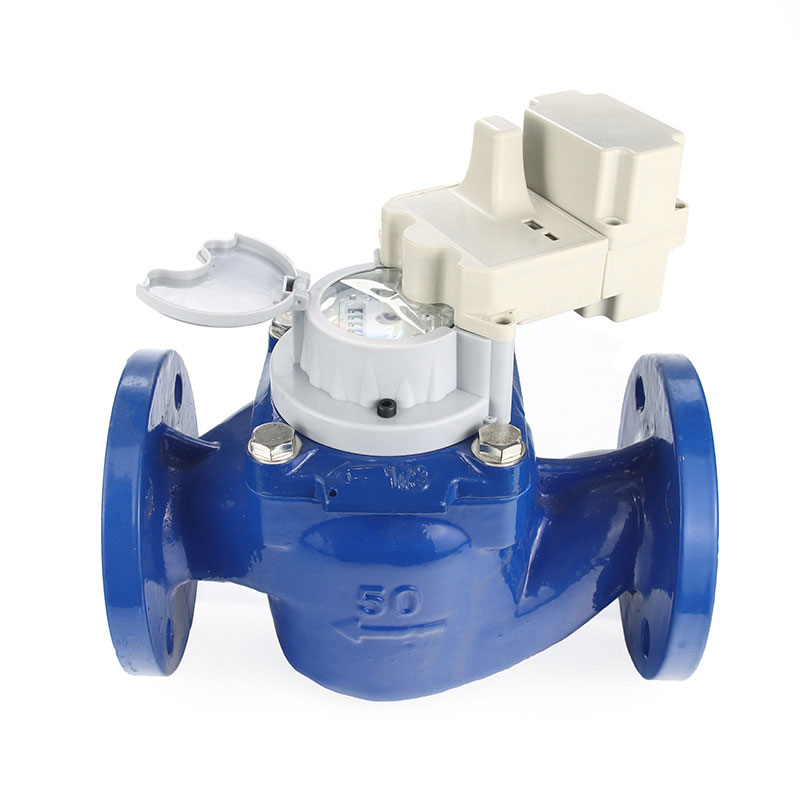
A smart water meter is an advanced water measurement device that leverages digital technology to monitor and report water usage in real time. Unlike traditional mechanical meters that require manual reading and are prone to inaccuracies, smart meters incorporate sensors, communication modules (such as NB-IoT or LoRa), and software integration to offer remote monitoring, automated billing, and predictive analytics.
A smart water meter is an advanced water measurement device that leverages digital technology to monitor and report water usage in real time. Unlike traditional mechanical meters that require manual reading and are prone to inaccuracies, smart meters incorporate sensors, communication modules (such as NB-IoT or LoRa), and software integration to offer remote monitoring, automated billing, and predictive analytics.
This evolution transforms the water meter from a passive instrument into an intelligent node within a city’s water infrastructure—a real-time indicator of consumption, performance, and potential issues.
Core Advantages of Smart Water Meters
1. Accurate Measurement for Fair Billing
One of the most compelling advantages of smart meters is their high-precision water measurement. Traditional meters may degrade over time or become inaccurate due to sediment buildup, air bubbles, or mechanical wear. Smart meters, especially those using ultrasonic or electromagnetic sensing, can detect even minimal flows and maintain measurement accuracy over long periods. This precision ensures that consumers are billed fairly and utilities can account for water more reliably.
1. Accurate Measurement for Fair Billing
One of the most compelling advantages of smart meters is their high-precision water measurement. Traditional meters may degrade over time or become inaccurate due to sediment buildup, air bubbles, or mechanical wear. Smart meters, especially those using ultrasonic or electromagnetic sensing, can detect even minimal flows and maintain measurement accuracy over long periods. This precision ensures that consumers are billed fairly and utilities can account for water more reliably.
2. Remote Meter Reading Reduces Costs and Errors
Smart water meters eliminate the need for manual readings. Using wireless communication protocols, meter data is automatically transmitted to utility companies at regular intervals. This reduces labor costs, minimizes human error, and allows utility providers to allocate resources more effectively.
Smart water meters eliminate the need for manual readings. Using wireless communication protocols, meter data is automatically transmitted to utility companies at regular intervals. This reduces labor costs, minimizes human error, and allows utility providers to allocate resources more effectively.
In large urban areas or in remote communities, this feature is particularly valuable, as it allows centralized, real-time monitoring without sending technicians door-to-door.
3. Real-Time Monitoring and Leak Detection
One of the most innovative features of smart meters is the ability to detect leaks, unusual consumption patterns, or pipe bursts almost instantly. For instance, if the system detects a continuous flow overnight (when usage should be low or zero), it can trigger alerts to the user or utility provider. This proactive maintenance capability can prevent property damage, conserve water, and reduce costs associated with undetected leaks.
One of the most innovative features of smart meters is the ability to detect leaks, unusual consumption patterns, or pipe bursts almost instantly. For instance, if the system detects a continuous flow overnight (when usage should be low or zero), it can trigger alerts to the user or utility provider. This proactive maintenance capability can prevent property damage, conserve water, and reduce costs associated with undetected leaks.
4. Supports Prepaid Models to Encourage Water Conservation
Smart meters can be integrated into prepaid billing systems, where users purchase water credits in advance. This model not only helps utilities with cash flow and reduces the risk of unpaid bills, but it also encourages consumers to monitor their usage more closely. By visualizing their consumption in real time, households tend to adopt more sustainable habits, contributing to the global goal of responsible water use.
Smart meters can be integrated into prepaid billing systems, where users purchase water credits in advance. This model not only helps utilities with cash flow and reduces the risk of unpaid bills, but it also encourages consumers to monitor their usage more closely. By visualizing their consumption in real time, households tend to adopt more sustainable habits, contributing to the global goal of responsible water use.
5. Data Analytics for Smarter Water Management
Every drop of water recorded by a smart meter contributes to a broader dataset that can be analyzed to improve service delivery. Big data platforms can process information from thousands of meters to identify usage trends, detect anomalies, and plan infrastructure upgrades. Utilities can optimize water pressure, detect illegal connections, or predict peak demand periods, leading to more resilient and cost-effective urban water systems.
Every drop of water recorded by a smart meter contributes to a broader dataset that can be analyzed to improve service delivery. Big data platforms can process information from thousands of meters to identify usage trends, detect anomalies, and plan infrastructure upgrades. Utilities can optimize water pressure, detect illegal connections, or predict peak demand periods, leading to more resilient and cost-effective urban water systems.
Real-World Applications of Smart Water Meters
Smart water meters are being deployed across a wide range of settings:
Smart water meters are being deployed across a wide range of settings:
- Residential buildings: Ensuring fair billing and allowing residents to monitor usage through mobile apps.
- Schools and hospitals: Tracking department-specific water usage for efficiency and accountability.
- Commercial complexes: Detecting leaks or waste in high-consumption environments.
- Rural areas and remote villages: Overcoming challenges related to manual meter reading and enabling centralized management through satellite-connected networks.
For example, in Singapore, where water is a critical and limited resource, smart water meters are being rolled out nationwide as part of a long-term sustainability initiative. The pilot programs have shown reductions in water waste by up to 15%, along with enhanced customer satisfaction and better emergency response times.
Challenges in Implementation
Despite the many advantages, the widespread adoption of smart water meters faces several hurdles:
Despite the many advantages, the widespread adoption of smart water meters faces several hurdles:
1. High Initial Costs
Smart meters and their associated infrastructure (data platforms, wireless networks, maintenance tools) can be two to three times more expensive than conventional meters. For cities with millions of connections, the upfront investment is significant. However, proponents argue that long-term savings and efficiency gains can offset the initial expenses.
Smart meters and their associated infrastructure (data platforms, wireless networks, maintenance tools) can be two to three times more expensive than conventional meters. For cities with millions of connections, the upfront investment is significant. However, proponents argue that long-term savings and efficiency gains can offset the initial expenses.
2. Data Privacy and Cybersecurity Risks
As with any internet-connected device, data privacy and cybersecurity are major concerns. Smart meters collect detailed household consumption patterns, which, if intercepted or misused, could reveal sensitive information. Ensuring encrypted communication, robust authentication, and secure storage are essential components of any deployment strategy.
As with any internet-connected device, data privacy and cybersecurity are major concerns. Smart meters collect detailed household consumption patterns, which, if intercepted or misused, could reveal sensitive information. Ensuring encrypted communication, robust authentication, and secure storage are essential components of any deployment strategy.
3. Lack of Standardization
With many manufacturers offering proprietary systems, compatibility between devices and platforms is limited. This lack of standardization can hinder interoperability and complicate system upgrades or integrations with other smart city infrastructure. Governments and industry groups are increasingly calling for unified standards to ensure seamless expansion and long-term support.
With many manufacturers offering proprietary systems, compatibility between devices and platforms is limited. This lack of standardization can hinder interoperability and complicate system upgrades or integrations with other smart city infrastructure. Governments and industry groups are increasingly calling for unified standards to ensure seamless expansion and long-term support.
The Future of Smart Water Meters
The evolution of smart water meters is far from complete. Here are several key trends expected in the coming years:
The evolution of smart water meters is far from complete. Here are several key trends expected in the coming years:
- Integration with Smart Grids
Water, electricity, and gas meters are increasingly being unified under multi-utility smart systems, where a single platform manages all household utilities. This approach simplifies billing, improves resource coordination, and offers richer insights for policymakers.
Water, electricity, and gas meters are increasingly being unified under multi-utility smart systems, where a single platform manages all household utilities. This approach simplifies billing, improves resource coordination, and offers richer insights for policymakers.
- AI and Machine Learning Applications
With the rise of artificial intelligence, smart meters will not only collect data but also learn from patterns to predict future consumption, optimize pressure management, and even recommend conservation strategies to users.
With the rise of artificial intelligence, smart meters will not only collect data but also learn from patterns to predict future consumption, optimize pressure management, and even recommend conservation strategies to users.
- Battery-Free and Self-Powered Meters
Current smart meters typically rely on batteries, which require replacement every 5-10 years. Future designs aim to use energy harvesting technologies, such as using the flow of water itself to generate power, making the devices more sustainable and maintenance-free.
Current smart meters typically rely on batteries, which require replacement every 5-10 years. Future designs aim to use energy harvesting technologies, such as using the flow of water itself to generate power, making the devices more sustainable and maintenance-free.
- Wider Adoption in Developing Countries
As hardware costs decrease and governments prioritize smart infrastructure, smart water meters are expected to expand into rural and developing regions, where they can drastically improve water management, reduce theft, and provide equitable access.
As hardware costs decrease and governments prioritize smart infrastructure, smart water meters are expected to expand into rural and developing regions, where they can drastically improve water management, reduce theft, and provide equitable access.
Conclusion: A Small Device with a Massive Impact
Smart water meters may appear modest in size, but their potential impact is vast. They empower consumers, streamline operations for utilities, and offer a path toward more sustainable, data-informed urban management. In an age where every drop counts—whether due to climate change, population growth, or infrastructure limitations—smart water meters are more than just tools. They are the eyes, ears, and brain of modern water systems.
Smart water meters may appear modest in size, but their potential impact is vast. They empower consumers, streamline operations for utilities, and offer a path toward more sustainable, data-informed urban management. In an age where every drop counts—whether due to climate change, population growth, or infrastructure limitations—smart water meters are more than just tools. They are the eyes, ears, and brain of modern water systems.
As we continue to build smarter cities and tackle global water challenges, these intelligent meters will undoubtedly be among the most important technologies guiding us toward a more efficient, transparent, and sustainable future.
If you still have questions or if you need more information of water meters, you can contact us freely. Our website is https://www.kinmeter.com and mail is yueray@kinhil.com ,Kinhil is dedicated to providing high quality water meters and good service to our customers and friends!
 Water Flow Meter Drives Smart Water Management Upgrade
  Old water meter replacement campaign launched: Solving metering challenges, benefiting millions of residents
  Say Goodbye to Overdue Bills – Start with a Prepaid Water Meter
  The Ultimate 2025 Guide to Water Meter Reading Worksheets
  Vertical vs. Horizontal Water Meters: A Comprehensive Analysis
  Wireless Water Meters: A Revolution in Water Management
  Compound Water Meters: A Comprehensive Guide
  How to Properly Size a Water Meter
  Protecting Your Water Meter from Winter's Chill
  Revolutionizing Water Management: The Multi Jet Dry Type Intelligent Iron Water Meter
  Removable Woltman Water Meters: A Closer Look
  Understanding Electromagnetic Meters: Precision Tools for Accurate Water Measurement
  Valve Controlled Remote Intelligent Water Meters: A Revolution in Water Management
  The Inner Workings: Exploring Materials in Water Meter Bodies
  Your Water Bill: The Story Told by Your Water Meter Data
  The Silent Leak: Detecting Water Meter Issues for Efficient Water Management
  The Split-Case Advantage: Understanding Split-Case Water Meter Bodies
  The Indispensable Filter: Understanding Water Meter Strainers
  Wet vs. Dry Water Meters: A Comprehensive Guide to Understanding the Differences
  Understanding How Water Meters Track Our Usage