
The Ultimate 2025 Guide to Water Meter Reading Worksheets
2025-04-07
Residential Water Meter | Single Jet Water Meter | Multi Jet Water Meter | Volumetric Rotary Piston Water Meter | Ultrasonic Water Meter | Ultrasonic Heat Meter
Woltman Water Meter | Smart Water Meters | Direct Read Water Meter | Electromagnetic Water Meter | Multi Jet Wet Type Liquid Sealed Intelligent Water Meter
Woltman Water Meter | Smart Water Meters | Direct Read Water Meter | Electromagnetic Water Meter | Multi Jet Wet Type Liquid Sealed Intelligent Water Meter
In our rapidly evolving world, where environmental concerns take center stage, efficient water management has become a critical aspect of sustainable living. Water scarcity and rising utility costs make it essential for individuals and communities to monitor their water usage accurately. This is where water meter reading worksheets prove to be invaluable tools.
Here is the content list:
- Understanding Water Meter Reading Worksheets
- The Key Components of a Water Meter Reading Worksheet
- Types of Water Meter Reading Worksheets
- Advantages of Using Water Meter Reading Worksheets
- Best Practices for Using Water Meter Reading Worksheets
- Advanced Techniques for Water Management
- The Future of Water Meter Reading Worksheets
Understanding Water Meter Reading Worksheets
A water meter reading worksheet is more than just a record-keeping document; it's a dynamic tool that empowers users to track and manage their water consumption systematically. These worksheets are tailored to suit various types of water meters and can be used by homeowners, businesses, and even utility companies. The primary goal is to provide a user-friendly interface for recording water consumption data, enabling users to make informed decisions about their water usage patterns.
The Key Components of a Water Meter Reading Worksheet
1. Date and Time Stamp: Every entry in the worksheet should include the date and time of the reading. This timestamp is crucial for identifying trends and abnormalities in water usage.
2. Initial and Final Reading: The worksheet should have fields to enter both the initial and final readings of the water meter. The difference between these two values gives the exact amount of water consumed during a specific period.
3. Units of Measurement: Clearly specify the units in which the water consumption is being recorded, such as gallons or cubic meters. Consistency in units ensures accurate calculations.
4. Visual Representation: Incorporate graphical elements like charts or graphs that visualize water consumption trends over time. Visual aids can help users quickly grasp their consumption patterns.
Types of Water Meter Reading Worksheets
1. Residential Water Meter Worksheet: Tailored for homeowners, this worksheet focuses on daily or monthly water consumption. It encourages individuals to identify peak usage periods, thereby promoting water-efficient behaviors.
2. Commercial Water Meter Worksheet: Designed for businesses, this worksheet might include additional fields such as department or usage area. This helps identify specific areas of high water consumption within a commercial establishment.
3. tility Level Water Meter Worksheet: Used by utility companies to monitor water usage on a larger scale, this worksheet might include advanced features like multiple meters for different sources of water or complex rate calculations.
Advantages of Using Water Meter Reading Worksheets
1. Accurate Consumption Tracking: By consistently recording water meter readings, users can pinpoint exactly when and where water is being consumed, helping to identify inefficiencies or leaks promptly.
2. Informed Decision-Making: Armed with historical data, users can make informed decisions about adjusting water usage based on past trends and patterns.
3. Detecting Anomalies: Sudden spikes in water consumption can indicate leaks or other issues. Regularly updated worksheets can aid in the early detection of such anomalies.
4. Promoting Conservation: Visualizing water consumption through charts and graphs motivates users to take steps towards more responsible water usage.
Best Practices for Using Water Meter Reading Worksheets
1. Consistency is Key: Regularly update the worksheet with accurate readings. Inconsistencies can lead to misleading conclusions.
2. Analyze Trends: Periodically review the data to identify trends. This can help you make adjustments to your water usage habits.
3. Routine Checks: Integrate routine checks for leaks and plumbing issues into your
water management regimen.
4. Educational Tool: Use the worksheet to educate household members or employees about water conservation and the impact of their actions.
Advanced Techniques for Water Management
1. Smart Meter Integration: Embrace the digital age by connecting smart water meters to your reading worksheet. This automation provides real-time data and eliminates the need for manual readings.
2. Data Analytics: Employ advanced data analysis techniques to gain deeper insights. Correlate water usage with external factors like weather changes to understand consumption variations.
3. Predictive Modeling: Utilize predictive modeling to forecast future water consumption based on historical data and seasonal trends.
The Future of Water Meter Reading Worksheets
As technology continues to advance, the potential for water meter reading worksheets is limitless. Integration with smart home systems, machine learning algorithms for more accurate predictions, and even gamification elements to encourage water-saving habits are all on the horizon.
Water is a finite resource, and its responsible use is a shared responsibility. The advent of water meter reading worksheets has empowered individuals, businesses, and communities to take charge of their water consumption. By consistently monitoring usage, analyzing trends, and embracing advanced techniques, we can mitigate water wastage, reduce utility costs, and contribute to a more sustainable future.
If you still have questions or if you need more information of water meters, you can contact us freely. Our website is https://www.kinmeter.com and mail is yueray@kinhil.com ,Kinhil is dedicated to providing high quality water meters and good service to our customers and friends!
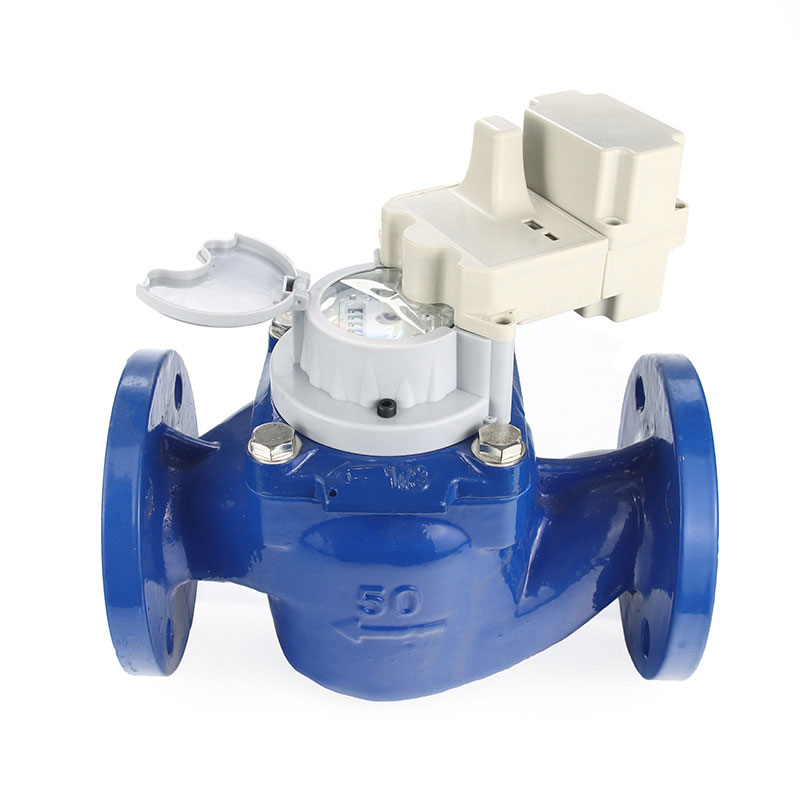 Water Flow Meter Drives Smart Water Management Upgrade
 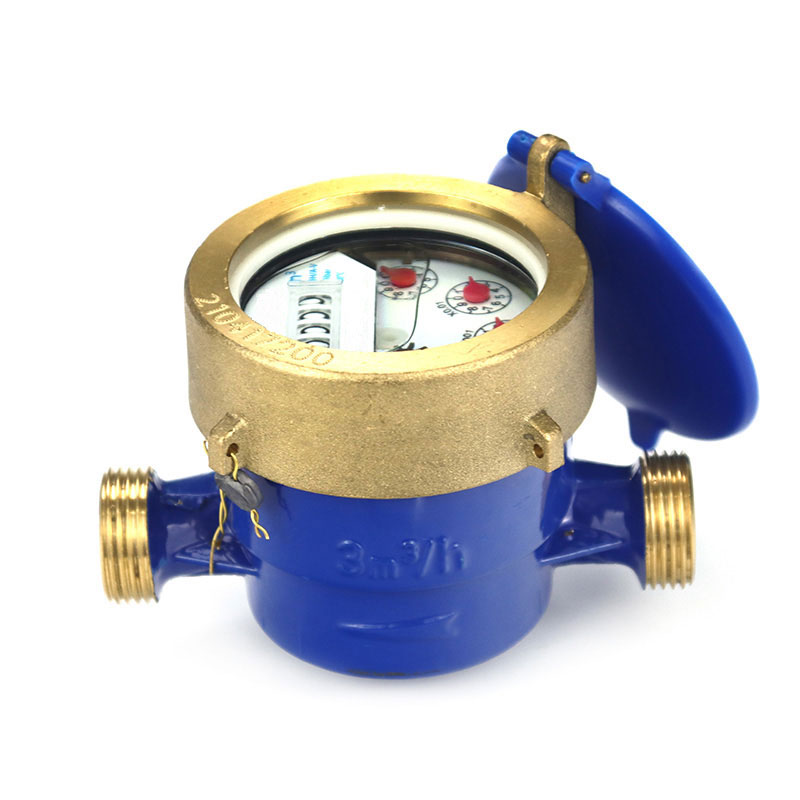 Old water meter replacement campaign launched: Solving metering challenges, benefiting millions of residents
 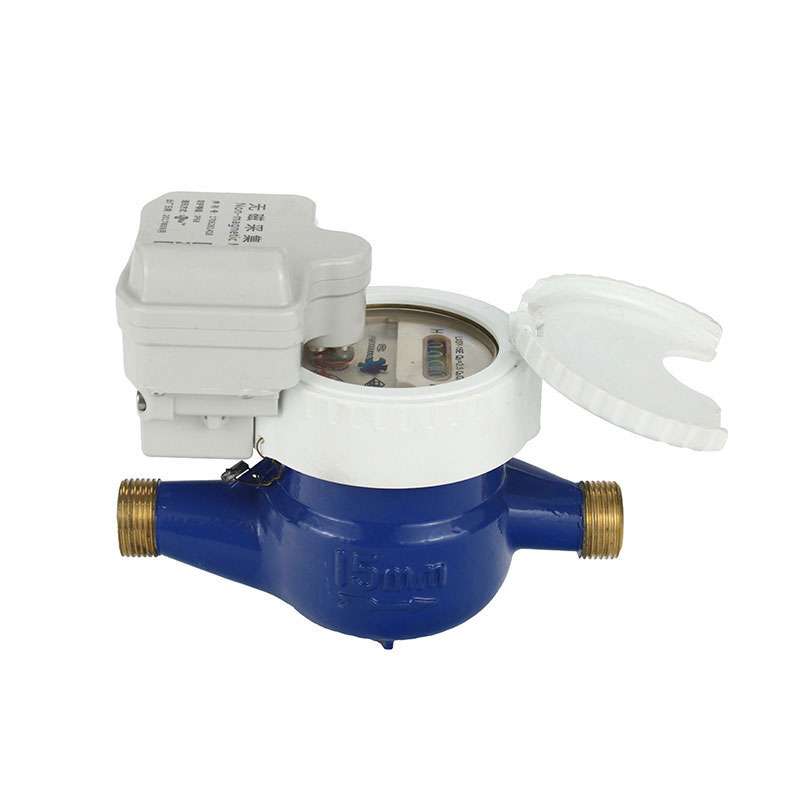 Smart Water Meters: The Digital Pulse of Urban Water Management
 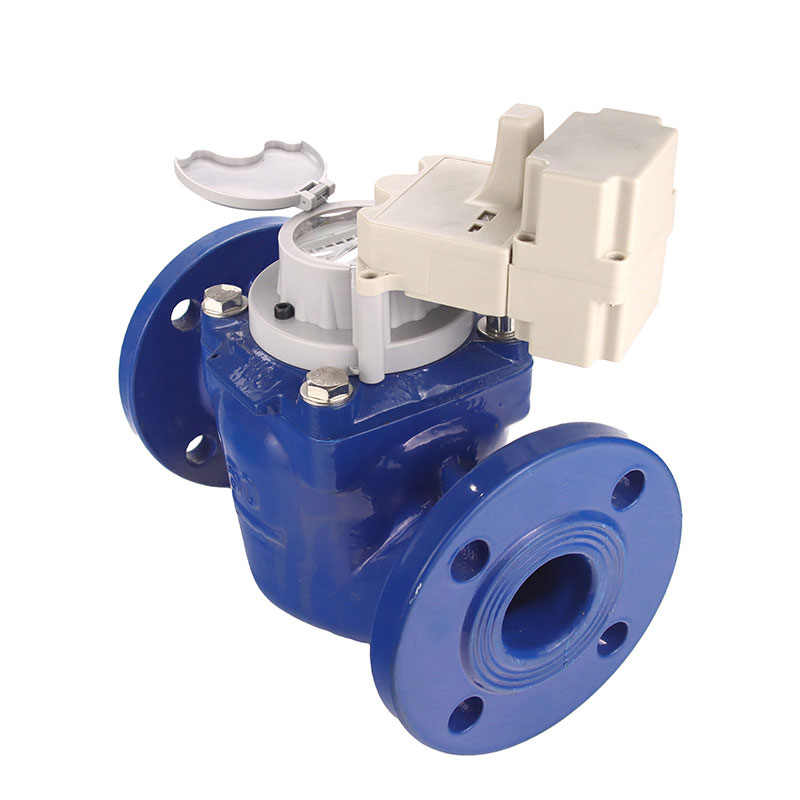 Say Goodbye to Overdue Bills – Start with a Prepaid Water Meter
 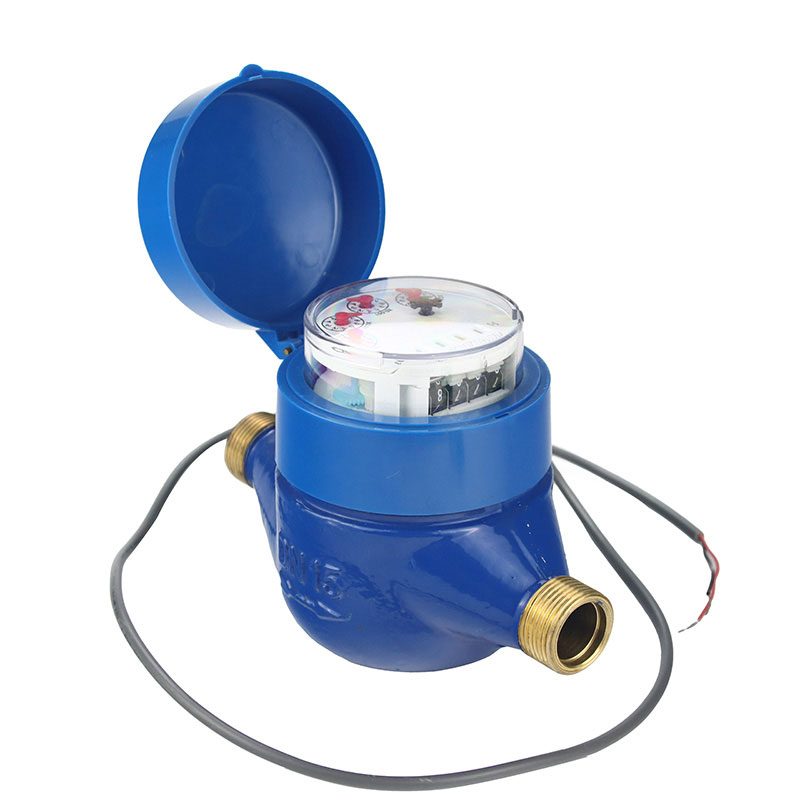 Vertical vs. Horizontal Water Meters: A Comprehensive Analysis
 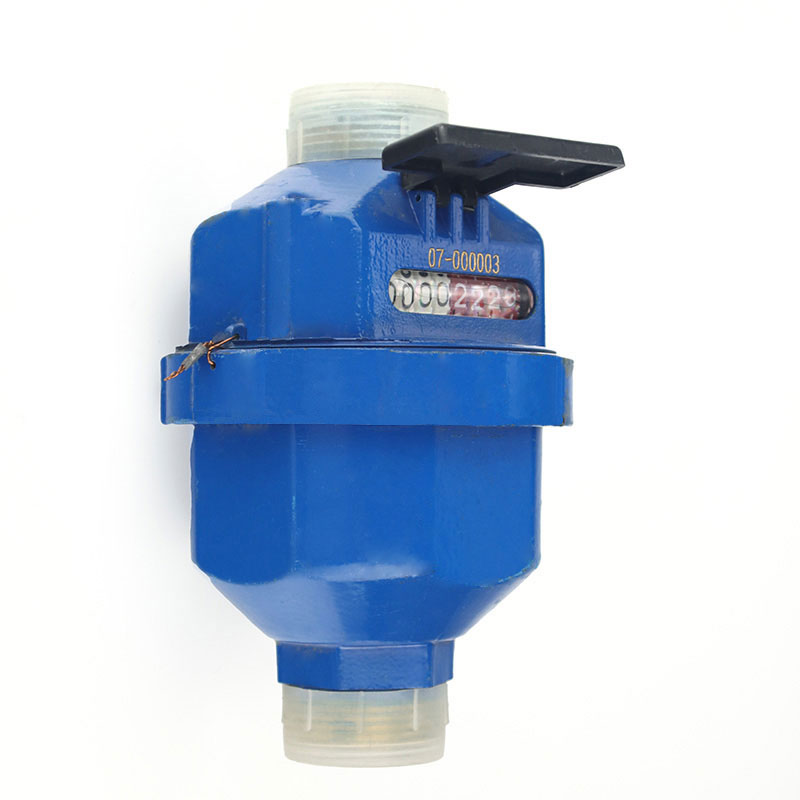 Wireless Water Meters: A Revolution in Water Management
  Compound Water Meters: A Comprehensive Guide
 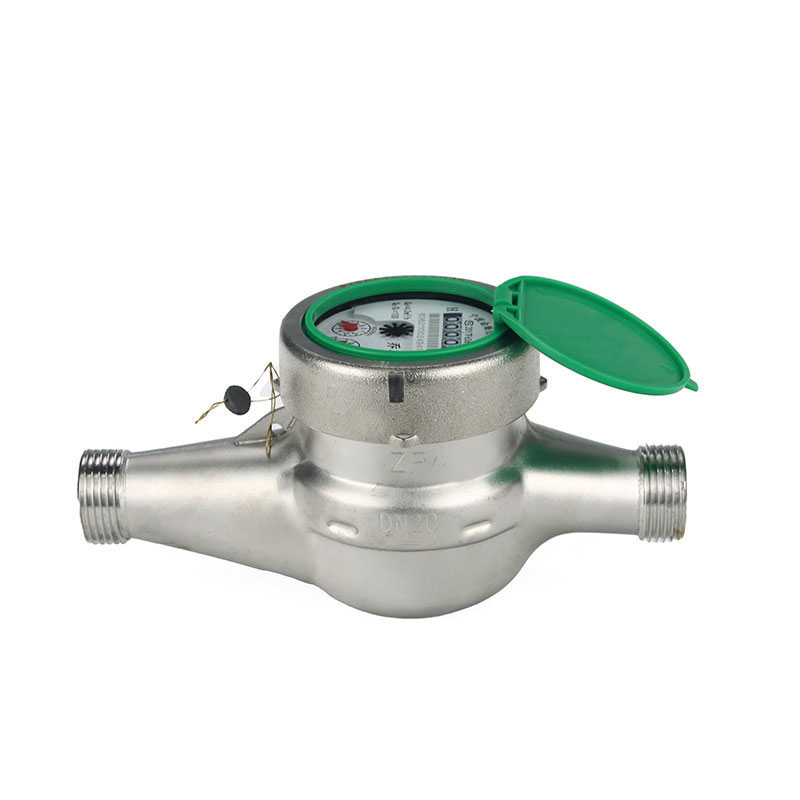 How to Properly Size a Water Meter
 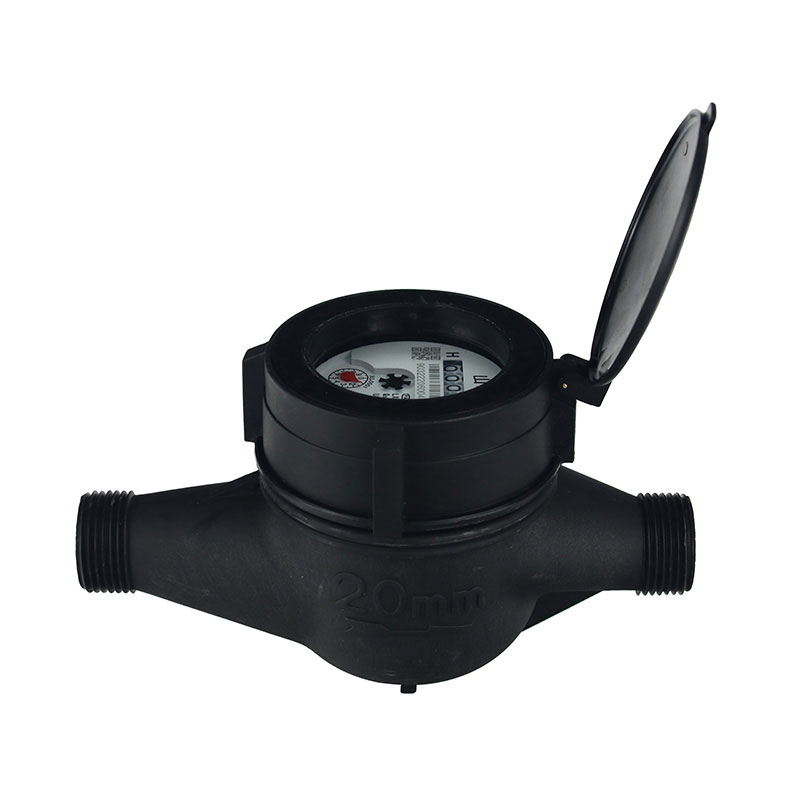 Protecting Your Water Meter from Winter's Chill
 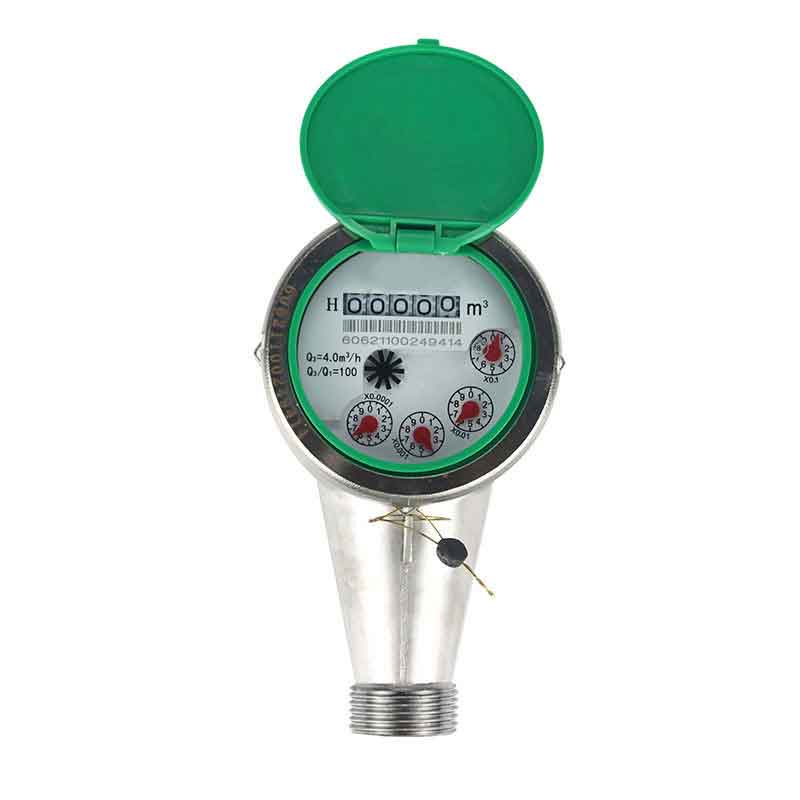 Revolutionizing Water Management: The Multi Jet Dry Type Intelligent Iron Water Meter
  Removable Woltman Water Meters: A Closer Look
 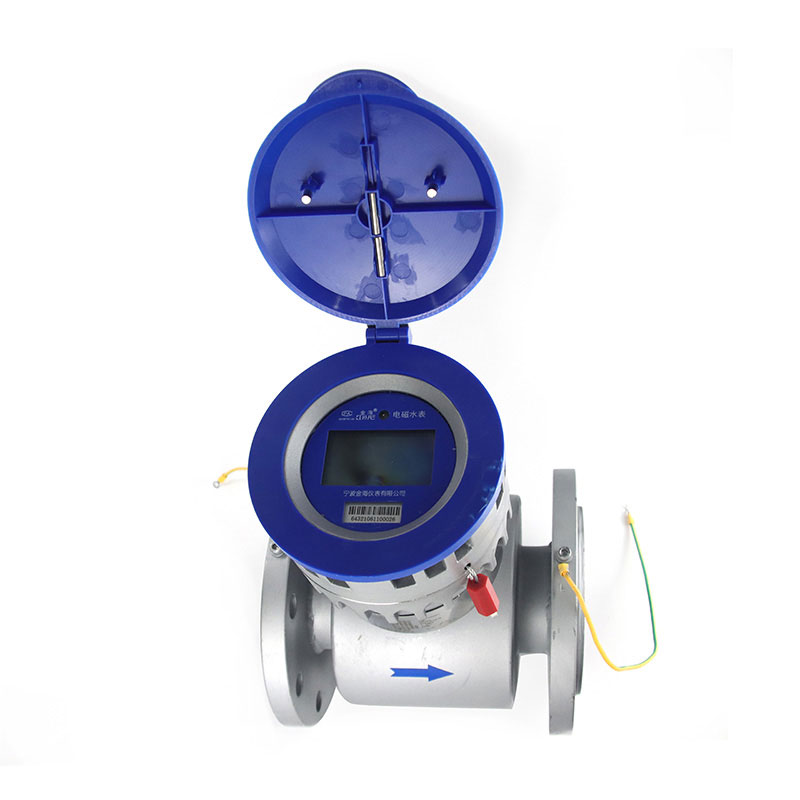 Understanding Electromagnetic Meters: Precision Tools for Accurate Water Measurement
 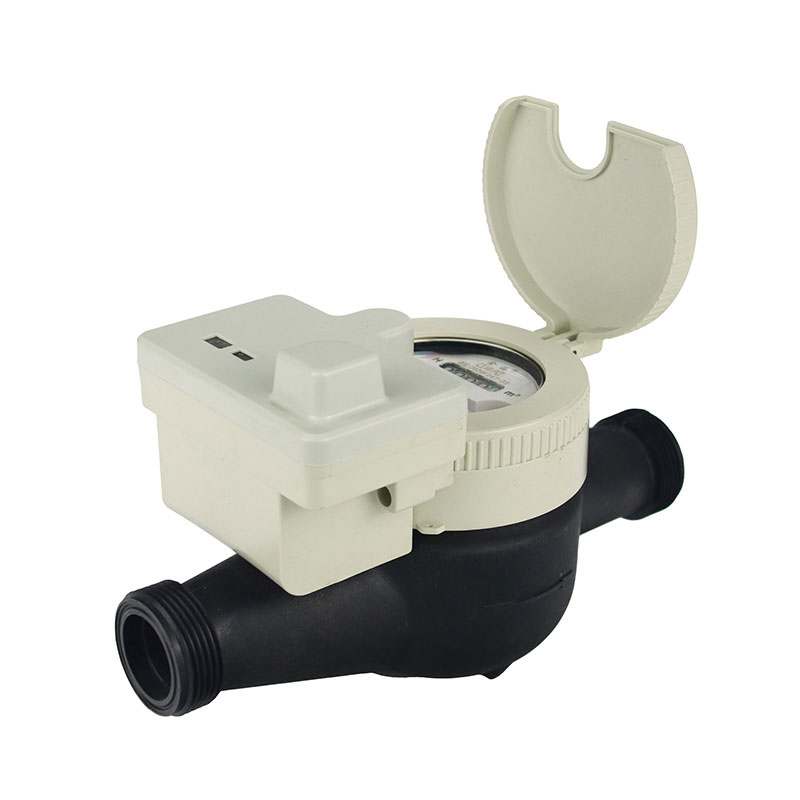 Valve Controlled Remote Intelligent Water Meters: A Revolution in Water Management
 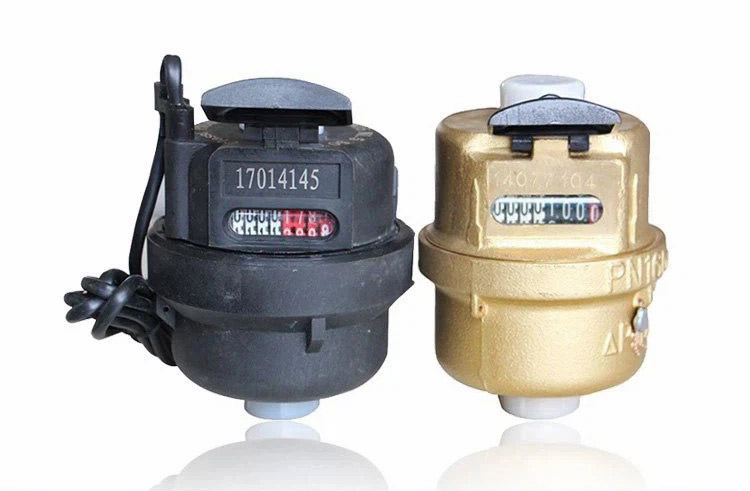 The Inner Workings: Exploring Materials in Water Meter Bodies
  Your Water Bill: The Story Told by Your Water Meter Data
  The Silent Leak: Detecting Water Meter Issues for Efficient Water Management
  The Split-Case Advantage: Understanding Split-Case Water Meter Bodies
  The Indispensable Filter: Understanding Water Meter Strainers
  Wet vs. Dry Water Meters: A Comprehensive Guide to Understanding the Differences
  Understanding How Water Meters Track Our Usage