
Understanding Electromagnetic Meters: Precision Tools for Accurate Water Measurement
2024-07-26
Residential Water Meter | Single Jet Water Meter | Multi Jet Water Meter | Volumetric Rotary Piston Water Meter | Ultrasonic Water Meter | Ultrasonic Heat Meter
Woltman Water Meter | Smart Water Meters | Direct Read Water Meter | Electromagnetic Water Meter | Multi Jet Wet Type Liquid Sealed Intelligent Water Meter
Woltman Water Meter | Smart Water Meters | Direct Read Water Meter | Electromagnetic Water Meter | Multi Jet Wet Type Liquid Sealed Intelligent Water Meter
Electromagnetic meters represent a pinnacle of precision in the realm of water measurement technology. These devices utilize electromagnetic principles to precisely determine the flow rate of water through a pipe, providing invaluable data for utilities and consumers alike. This article explores the functionality, applications, benefits, and considerations associated with electromagnetic meters, shedding light on their pivotal role in modern water management.
Here is the content list:
1. How Electromagnetic Meters Work
2. Applications of Electromagnetic Meters
1. How Electromagnetic Meters Work
2. Applications of Electromagnetic Meters
3. Benefits of Electromagnetic Meters
4. Considerations and Challenges
5. Conclusion
How Electromagnetic Meters Work
At the heart of electromagnetic meters lies a principle known as Faraday's Law of Electromagnetic Induction. This law states that a voltage is induced in a conductor moving through a magnetic field. In the context of electromagnetic meters, water, which is a conductive medium, passes through a magnetic field generated by the meter. As water flows through the pipe, it generates a voltage proportional to its velocity, allowing the meter to calculate the flow rate.
At the heart of electromagnetic meters lies a principle known as Faraday's Law of Electromagnetic Induction. This law states that a voltage is induced in a conductor moving through a magnetic field. In the context of electromagnetic meters, water, which is a conductive medium, passes through a magnetic field generated by the meter. As water flows through the pipe, it generates a voltage proportional to its velocity, allowing the meter to calculate the flow rate.
Electromagnetic meters typically consist of a pipe with electrodes and a magnetic field generator. The electrodes detect the induced voltage caused by the moving water, while the magnetic field ensures accurate measurement across varying flow conditions. This setup enables electromagnetic meters to operate reliably in both clean and dirty water environments, making them versatile for a wide range of applications.
Applications of Electromagnetic Meters
Electromagnetic meters find extensive use in various sectors due to their accuracy and reliability. In municipal water supply systems, these meters are installed in pipes to measure water consumption accurately for billing purposes. Their ability to handle large flow rates and provide precise readings makes them suitable for industrial applications, including manufacturing processes and wastewater treatment plants where monitoring water usage and flow rates is critical.
Electromagnetic meters find extensive use in various sectors due to their accuracy and reliability. In municipal water supply systems, these meters are installed in pipes to measure water consumption accurately for billing purposes. Their ability to handle large flow rates and provide precise readings makes them suitable for industrial applications, including manufacturing processes and wastewater treatment plants where monitoring water usage and flow rates is critical.
Furthermore, electromagnetic meters are favored for their durability and minimal maintenance requirements compared to other types of meters. Their robust design allows them to withstand harsh environmental conditions and maintain accuracy over long periods without frequent recalibration.
Benefits of Electromagnetic Meters
One of the primary advantages of electromagnetic meters is their high accuracy, typically boasting measurement tolerances within ±1% to ±2%. This level of precision ensures that utilities can bill consumers fairly based on actual water usage, reducing disputes and ensuring revenue integrity. For industrial users, accurate flow measurements are crucial for optimizing processes, ensuring compliance with regulatory standards, and identifying potential leaks or inefficiencies.
One of the primary advantages of electromagnetic meters is their high accuracy, typically boasting measurement tolerances within ±1% to ±2%. This level of precision ensures that utilities can bill consumers fairly based on actual water usage, reducing disputes and ensuring revenue integrity. For industrial users, accurate flow measurements are crucial for optimizing processes, ensuring compliance with regulatory standards, and identifying potential leaks or inefficiencies.
Another benefit is their non-intrusive measurement method. Unlike some mechanical meters that can obstruct flow or be affected by particulate matter in the water, electromagnetic meters measure flow without physically obstructing the pipe. This feature minimizes pressure drops and reduces the risk of meter failure due to debris or sediment buildup, enhancing reliability in challenging operational environments.
Considerations and Challenges
While electromagnetic meters offer numerous benefits, they also come with considerations that utilities and consumers must address. Initial installation costs can be higher than other types of meters due to their sophisticated technology and materials. However, these costs are often offset by long-term savings in maintenance and operational efficiency.
While electromagnetic meters offer numerous benefits, they also come with considerations that utilities and consumers must address. Initial installation costs can be higher than other types of meters due to their sophisticated technology and materials. However, these costs are often offset by long-term savings in maintenance and operational efficiency.
Calibration and verification are essential to maintain accuracy over time. Manufacturers provide guidelines for periodic calibration, ensuring meters continue to perform within specified tolerances. Regular maintenance, including cleaning electrodes and checking for any signal interference, helps prolong the lifespan and reliability of electromagnetic meters.
Future Directions and Innovations
Looking ahead, advancements in sensor technology and data analytics promise to enhance the capabilities of electromagnetic meters even further. Integration with smart grid systems and IoT (Internet of Things) platforms enables real-time monitoring of water usage, proactive leak detection, and predictive maintenance. These innovations contribute to more efficient water management practices, supporting sustainability goals and reducing operational costs for utilities.
Looking ahead, advancements in sensor technology and data analytics promise to enhance the capabilities of electromagnetic meters even further. Integration with smart grid systems and IoT (Internet of Things) platforms enables real-time monitoring of water usage, proactive leak detection, and predictive maintenance. These innovations contribute to more efficient water management practices, supporting sustainability goals and reducing operational costs for utilities.
Conclusion
Electromagnetic meters exemplify the convergence of precision engineering and scientific principles in the field of water management. Their ability to accurately measure water flow rates across diverse applications underscores their importance in ensuring efficient resource allocation and sustainable usage practices. By leveraging electromagnetic technology, utilities and industries can make informed decisions, enhance operational efficiency, and contribute to the conservation of one of our most vital resources.
Electromagnetic meters exemplify the convergence of precision engineering and scientific principles in the field of water management. Their ability to accurately measure water flow rates across diverse applications underscores their importance in ensuring efficient resource allocation and sustainable usage practices. By leveraging electromagnetic technology, utilities and industries can make informed decisions, enhance operational efficiency, and contribute to the conservation of one of our most vital resources.
In summary, electromagnetic meters stand as essential tools in the modern toolkit for water management, embodying reliability, accuracy, and durability in measuring water flow. Their continued evolution and integration into smart systems promise to redefine how we monitor and utilize water resources in the years to come.
If you still have questions or if you need more information of water meters, you can contact us freely. Our website is https://www.kinmeter.com and mail is yueray@kinhil.com, Kinhil is dedicated to providing high quality water meters and good service to our customers and friends!
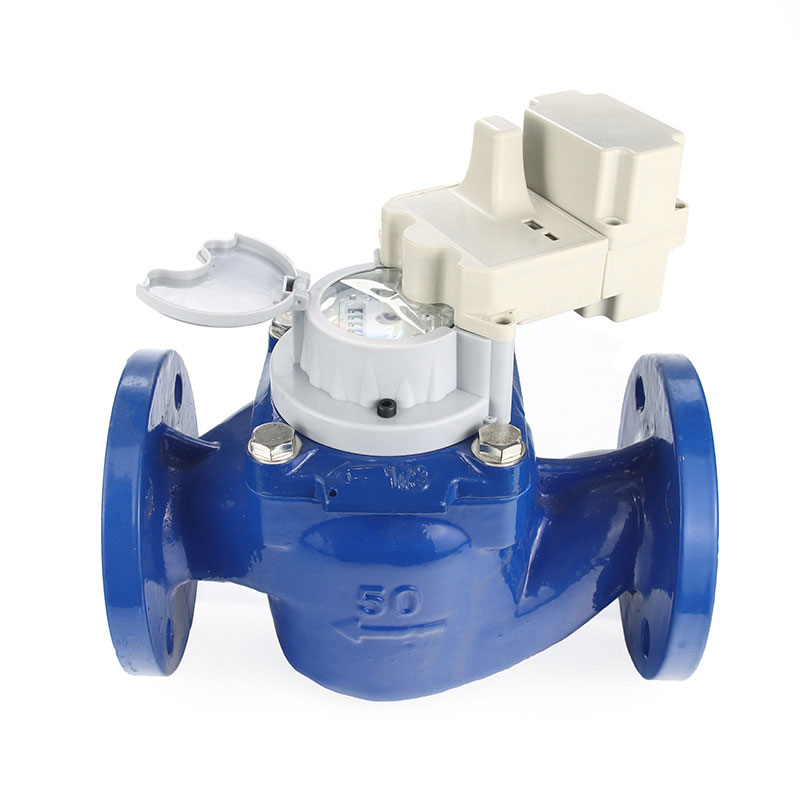 Water Flow Meter Drives Smart Water Management Upgrade
 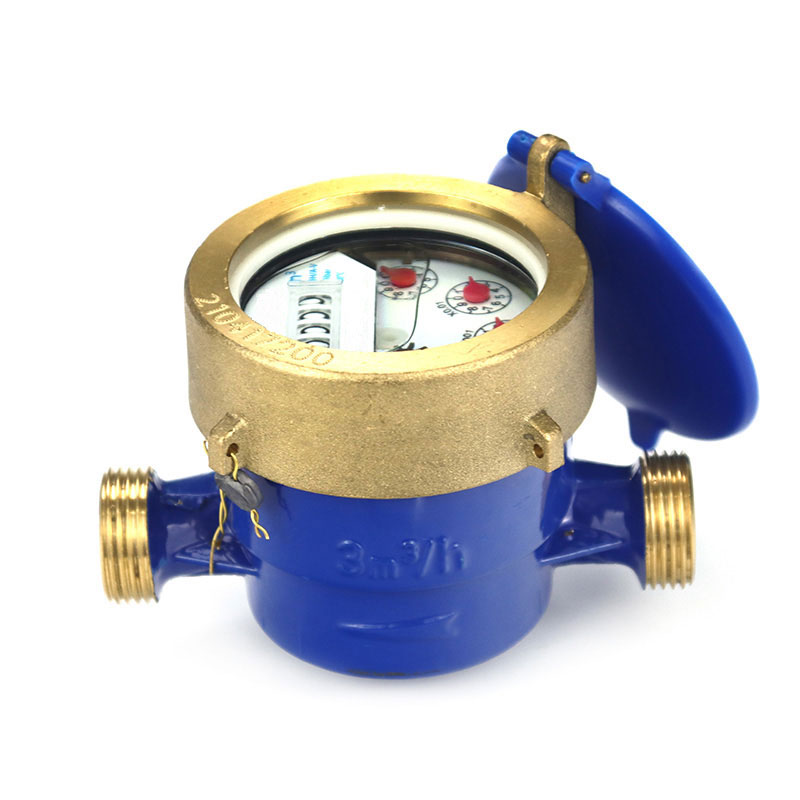 Old water meter replacement campaign launched: Solving metering challenges, benefiting millions of residents
 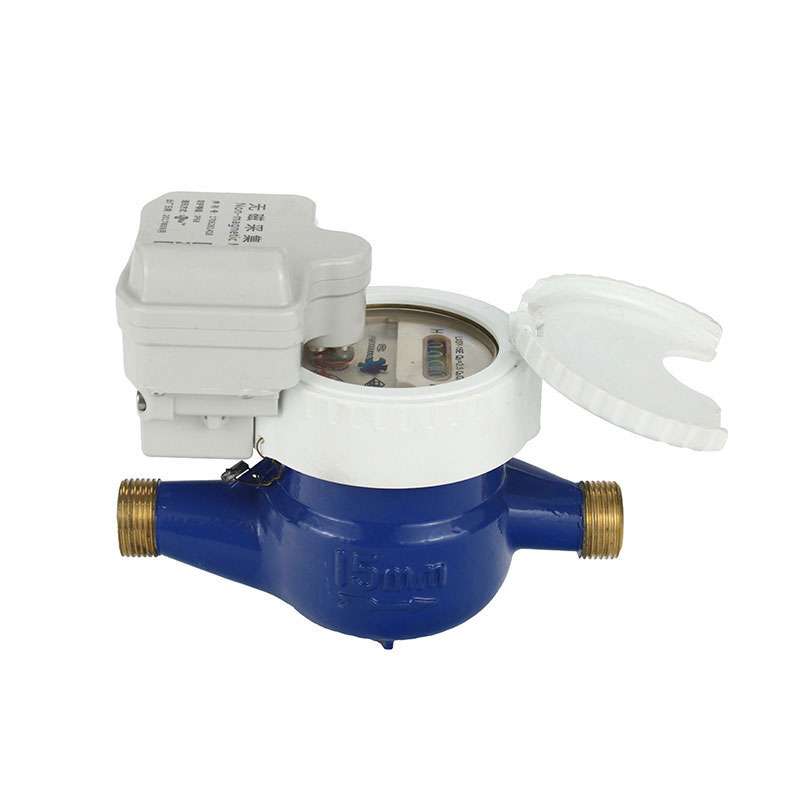 Smart Water Meters: The Digital Pulse of Urban Water Management
 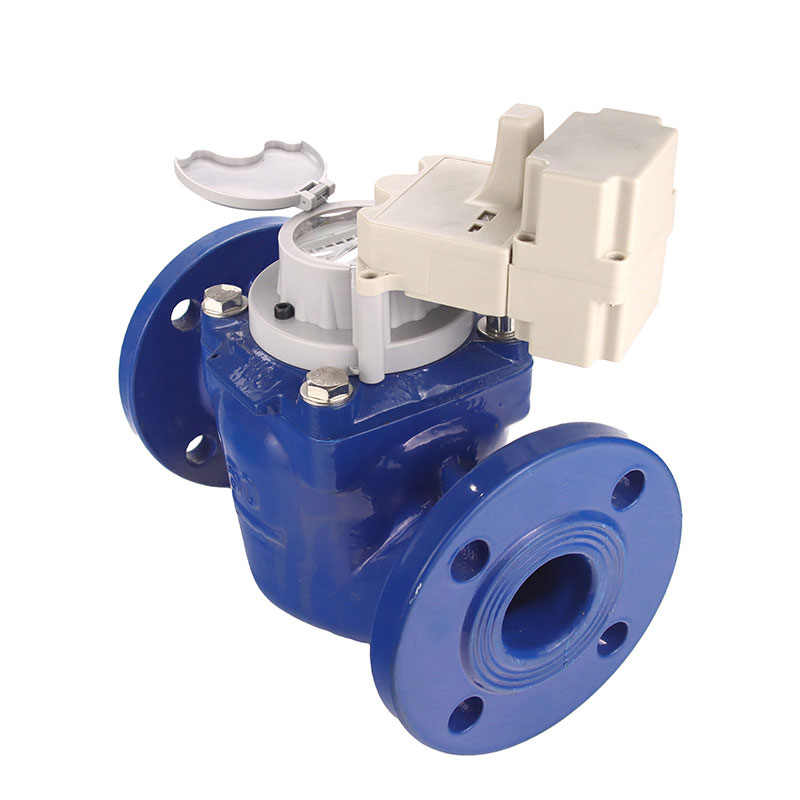 Say Goodbye to Overdue Bills – Start with a Prepaid Water Meter
  The Ultimate 2025 Guide to Water Meter Reading Worksheets
  Vertical vs. Horizontal Water Meters: A Comprehensive Analysis
  Wireless Water Meters: A Revolution in Water Management
  Compound Water Meters: A Comprehensive Guide
  How to Properly Size a Water Meter
  Protecting Your Water Meter from Winter's Chill
  Revolutionizing Water Management: The Multi Jet Dry Type Intelligent Iron Water Meter
  Removable Woltman Water Meters: A Closer Look
  Valve Controlled Remote Intelligent Water Meters: A Revolution in Water Management
  The Inner Workings: Exploring Materials in Water Meter Bodies
  Your Water Bill: The Story Told by Your Water Meter Data
  The Silent Leak: Detecting Water Meter Issues for Efficient Water Management
  The Split-Case Advantage: Understanding Split-Case Water Meter Bodies
  The Indispensable Filter: Understanding Water Meter Strainers
  Wet vs. Dry Water Meters: A Comprehensive Guide to Understanding the Differences
  Understanding How Water Meters Track Our Usage