
Protecting Your Water Meter from Winter's Chill
2024-08-16
Residential Water Meter | Single Jet Water Meter | Multi Jet Water Meter | Volumetric Rotary Piston Water Meter | Ultrasonic Water Meter | Ultrasonic Heat Meter
Woltman Water Meter | Smart Water Meters | Direct Read Water Meter | Electromagnetic Water Meter | Multi Jet Wet Type Liquid Sealed Intelligent Water Meter
Woltman Water Meter | Smart Water Meters | Direct Read Water Meter | Electromagnetic Water Meter | Multi Jet Wet Type Liquid Sealed Intelligent Water Meter
Winter weather poses significant risks to your water meter, potentially leading to costly repairs and disruptions to your water supply. To safeguard against these issues, it's essential to take proactive measures to protect your meter from freezing temperatures.
Here is the content list:
1. Understanding the Threat of Freezing
2. Preventive Measures
1. Understanding the Threat of Freezing
2. Preventive Measures
3. Thawing a Frozen Water Meter
4. Additional Tips
Understanding the Threat of Freezing
When exposed to freezing temperatures, the water within your water meter can expand, causing the meter's casing to crack. This damage can lead to water leaks, property damage, and costly repairs. In severe cases, the frozen water can also damage the pipes connected to the meter.
When exposed to freezing temperatures, the water within your water meter can expand, causing the meter's casing to crack. This damage can lead to water leaks, property damage, and costly repairs. In severe cases, the frozen water can also damage the pipes connected to the meter.
Preventive Measures
- Insulation: Protecting your water meter with insulation is a crucial step in preventing freezing. Commercial water meter covers are available, or you can create your own using foam insulation or fiberglass insulation. Ensure the insulation completely covers the meter, including the pipes leading to and from it.
- Heat Tape: For added protection, consider using heat tape specifically designed for pipes. Wrap the heat tape around the water pipes leading to the meter, following the manufacturer's instructions. Be cautious when using heat tape to avoid fire hazards.
- Locate Your Water Meter: Familiarize yourself with the location of your water meter, especially if it's in an unheated area. This will allow you to monitor its condition during cold weather.
- Maintain Warm Indoor Temperatures: While not directly protecting the meter, maintaining a consistently warm indoor temperature can help prevent freezing in pipes leading to the meter.
Open Cabinet Doors: If your water meter is located in a basement or utility closet, open the cabinet doors during extremely cold weather to allow warmer air to circulate around the meter.
Thawing a Frozen Water Meter
If despite your preventive measures, your water meter freezes, follow these steps:
If despite your preventive measures, your water meter freezes, follow these steps:
- Turn Off the Water: Locate the main water shutoff valve and turn it off to prevent further damage.
- Allow Gradual Thawing: Gradually increase the temperature in the area around the meter. Avoid using direct heat sources like hairdryers or torches, as this can cause the meter to crack.
- Inspect for Damage: Once the meter is thawed, carefully inspect it for any signs of damage, such as cracks or leaks.
- Turn Water On Gradually: Slowly open the main water shutoff valve to allow water to flow gradually. Check for leaks as you do so.
Additional Tips
- Monitor Weather Forecasts: Stay informed about the weather forecast and take extra precautions during periods of extreme cold.
- Winterize Outdoor Faucets: Disconnect garden hoses and turn off the water supply to outdoor faucets to prevent freezing.
- Insulate Pipes: In addition to insulating the water meter, consider insulating exposed pipes in unheated areas.
- Professional Help: If you're unsure about how to protect your water meter or if you encounter persistent problems, consult a plumber.
By following these guidelines, you can significantly reduce the risk of your water meter freezing and protect your home from potential water damage. Remember, prevention is key to avoiding costly repairs and disruptions to your water supply.
If you still have questions or if you need more information of water meters, you can contact us freely. Our website is https://www.kinmeter.com and mail is yueray@kinhil.com, Kinhil is dedicated to providing high quality water meters and good service to our customers and friends!
 Water Flow Meter Drives Smart Water Management Upgrade
  Old water meter replacement campaign launched: Solving metering challenges, benefiting millions of residents
  Smart Water Meters: The Digital Pulse of Urban Water Management
  Say Goodbye to Overdue Bills – Start with a Prepaid Water Meter
  The Ultimate 2025 Guide to Water Meter Reading Worksheets
  Vertical vs. Horizontal Water Meters: A Comprehensive Analysis
  Wireless Water Meters: A Revolution in Water Management
  Compound Water Meters: A Comprehensive Guide
  How to Properly Size a Water Meter
  Revolutionizing Water Management: The Multi Jet Dry Type Intelligent Iron Water Meter
  Removable Woltman Water Meters: A Closer Look
 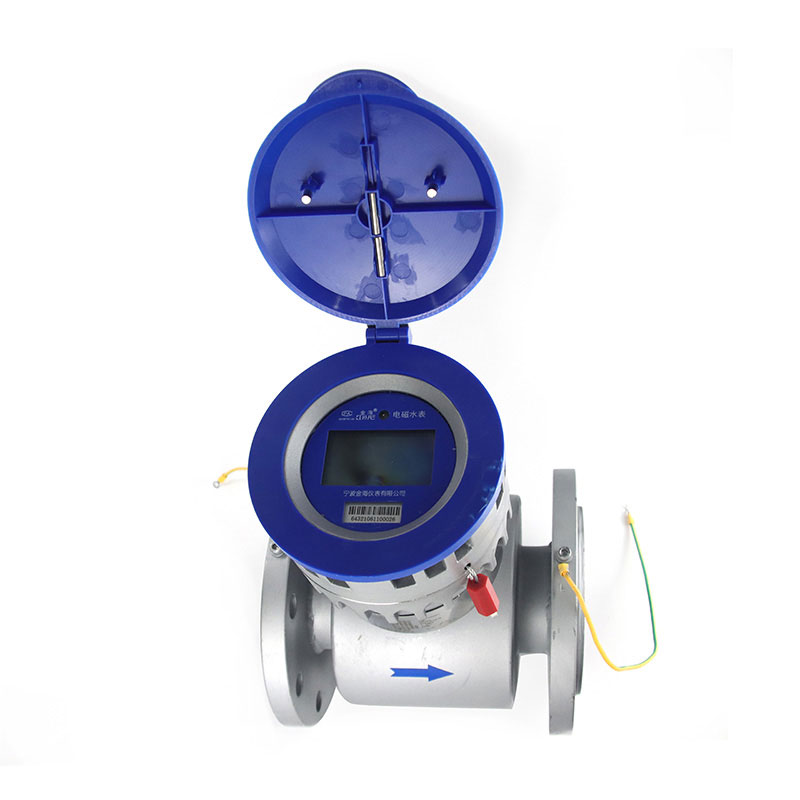 Understanding Electromagnetic Meters: Precision Tools for Accurate Water Measurement
 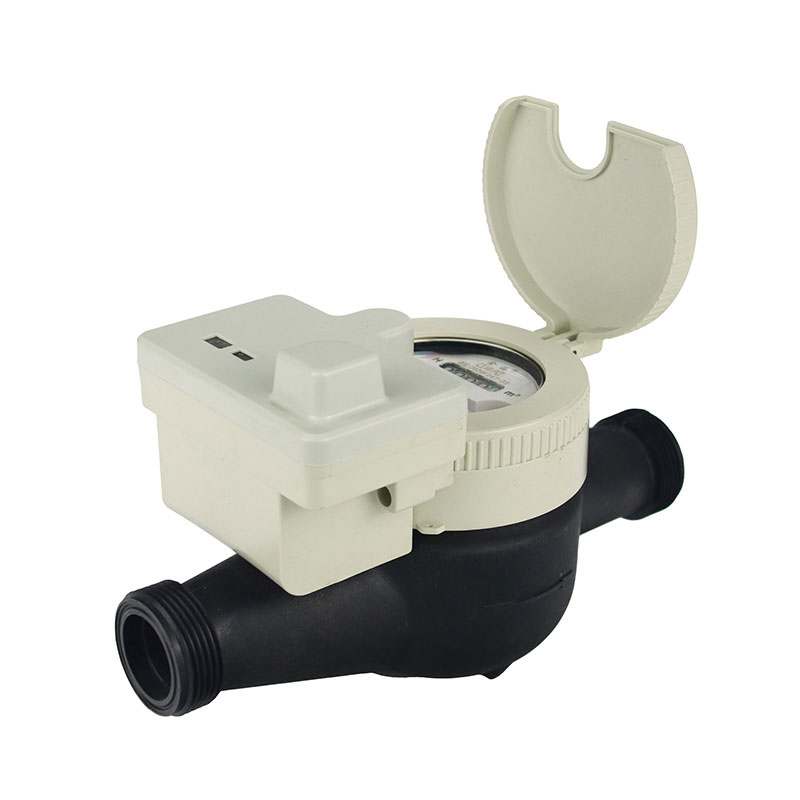 Valve Controlled Remote Intelligent Water Meters: A Revolution in Water Management
 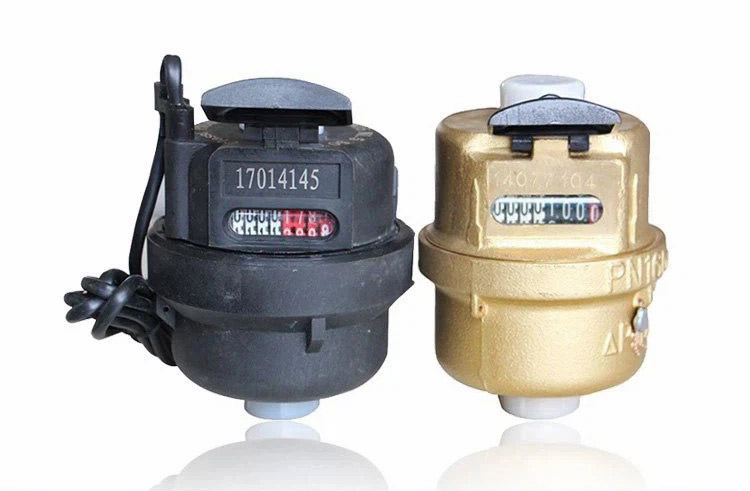 The Inner Workings: Exploring Materials in Water Meter Bodies
  Your Water Bill: The Story Told by Your Water Meter Data
 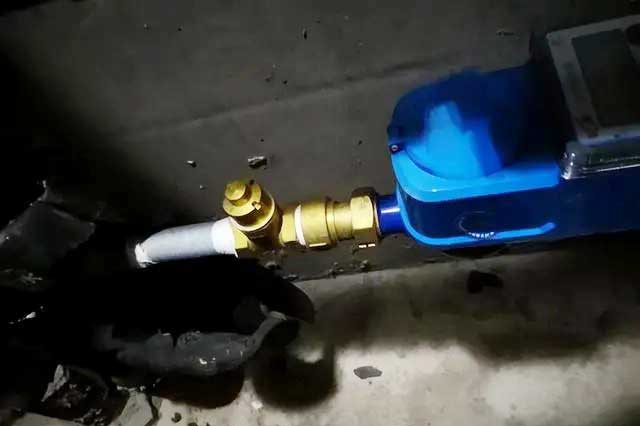 The Silent Leak: Detecting Water Meter Issues for Efficient Water Management
  The Split-Case Advantage: Understanding Split-Case Water Meter Bodies
  The Indispensable Filter: Understanding Water Meter Strainers
  Wet vs. Dry Water Meters: A Comprehensive Guide to Understanding the Differences
  Understanding How Water Meters Track Our Usage