
How to Properly Size a Water Meter
2024-08-23
Residential Water Meter | Single Jet Water Meter | Multi Jet Water Meter | Volumetric Rotary Piston Water Meter | Ultrasonic Water Meter | Ultrasonic Heat Meter
Woltman Water Meter | Smart Water Meters | Direct Read Water Meter | Electromagnetic Water Meter | Multi Jet Wet Type Liquid Sealed Intelligent Water Meter
Woltman Water Meter | Smart Water Meters | Direct Read Water Meter | Electromagnetic Water Meter | Multi Jet Wet Type Liquid Sealed Intelligent Water Meter
Sizing a water meter correctly is essential for accurate water measurement and efficient system operation. This process involves understanding flow rates, meter types, and the specific requirements of your water system. Here’s a comprehensive guide to help you choose the right water meter for your needs.
Here is the content list:
1. Understanding Water Meter Flow Rates
2. Selecting the Correct Meter Size
1. Understanding Water Meter Flow Rates
2. Selecting the Correct Meter Size
3. Meter Types and Sizing Considerations
4. Final Considerations
Understanding Water Meter Flow Rates
Water meters are designed to operate within specific flow ranges, characterized by the following terms:
Water meters are designed to operate within specific flow ranges, characterized by the following terms:
- Q1 (Minimum Flow Rate): This is the lowest flow rate at which the meter can operate accurately without exceeding its maximum permissible error (?1). Meters cannot provide reliable readings below this rate. Ensure your system’s flow rate is consistently above Q1 for accurate measurements.
- Q2 (Transitional Flow Rate): This rate is between the minimum flow rate and the constant flow rate. It represents the transition phase where the meter shifts from minimal to nominal operation. Understanding Q2 helps in assessing performance within this transitional range.
- Q3 (Constant Flow Rate): This is the maximum flow rate at which the meter operates accurately under standard conditions. The manufacturer guarantees that the meter will perform well at this rate, making it crucial for selecting a meter that matches your expected flow conditions.
- Q4 (Overload Flow Rate): This is the maximum flow rate that the meter can handle without damage for short periods. Operating continuously at this rate can reduce the meter's accuracy and lifespan. Ensure that your system’s flow rate does not exceed Q4 to avoid potential issues.
Selecting the Correct Meter Size
Choosing the right meter size involves ensuring that the flow rate of your system aligns with the meter’s flow rates:
Choosing the right meter size involves ensuring that the flow rate of your system aligns with the meter’s flow rates:
- Determine System Flow Rates: Measure or estimate the expected flow rates in your system. Your system’s flow rate should ideally be around Q3 to ensure accurate measurement and optimal performance. Avoid flow rates consistently below Q1 or above Q4 to maintain accuracy and meter longevity.
- Choose a Meter with Appropriate Q3 Rating: Select a meter with a Q3 rating that comfortably covers your system’s maximum flow rate. This ensures the meter operates efficiently without exceeding its specified limits.
- Avoid Meters Too Large or Too Small: A meter too large for your needs may operate below Q1, resulting in inaccurate readings. Conversely, a meter that is too small might frequently operate near or above Q4, potentially leading to reduced accuracy and shorter service life.
Meter Types and Sizing Considerations
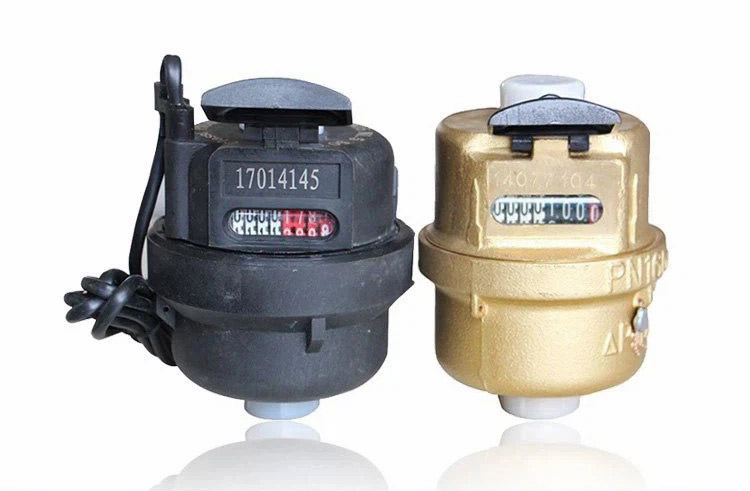
- Mechanical Meters: Mechanical meters measure flow through moving parts and are typically sized based on the expected flow rates. Ensure that the meter’s constant flow rate (Q3) exceeds your system’s maximum flow rate and that the minimum flow rate (Q1) is below your system’s minimum flow rate.
- Ultrasonic Meters: Ultrasonic meters use sound waves to measure flow. Like mechanical meters, you need to ensure that the meter’s flow rates (Q1, Q3, Q4) align with your system’s flow conditions. Check the manufacturer’s specifications for accurate sizing.
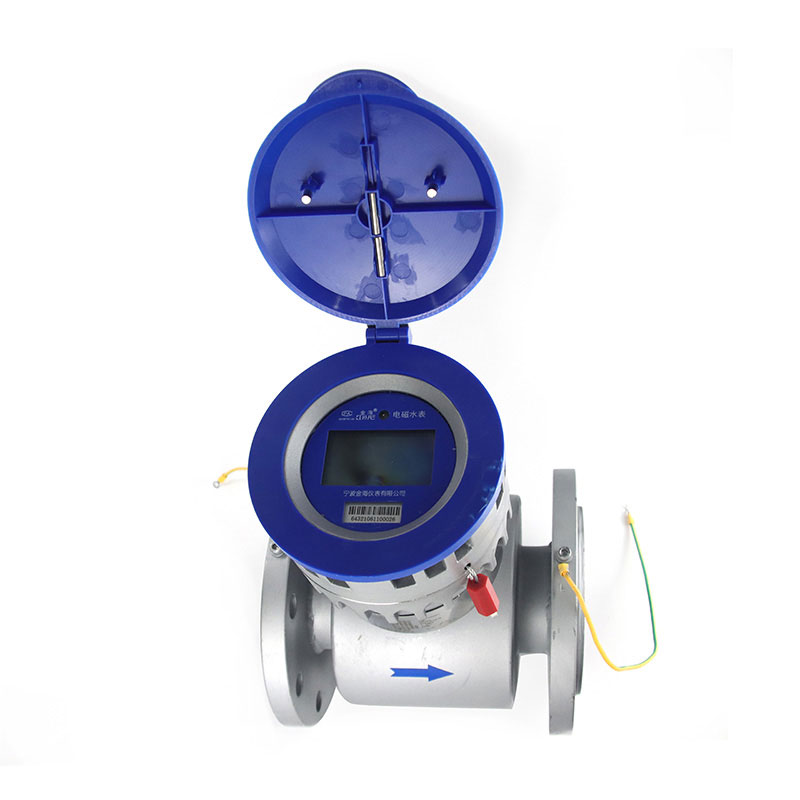
- Electromagnetic Flow Meters: These meters measure flow by detecting the voltage generated as a conductive fluid passes through a magnetic field. To size an electromagnetic meter, ensure the flow speed (in m/s) is close to the optimal level specified by the manufacturer, and the meter’s size matches the tube’s diameter to avoid load losses. Typically, these meters should be installed with a diameter equal to the pipe to ensure accurate measurements and minimal pressure loss.
Final Considerations
- Consult Manufacturer Specifications: Always refer to the manufacturer’s specifications for detailed information on flow rates and meter sizing. This will help you make an informed decision based on your specific needs.
- Consider Installation and Maintenance: Proper installation is crucial for meter accuracy. Ensure that the meter is installed according to the manufacturer’s guidelines and that it is regularly maintained to ensure long-term accuracy and reliability.
- Seek Professional Advice: If you are unsure about selecting the right meter, consult with a professional or a supplier who can provide expert guidance based on your system’s requirements.
Selecting the appropriate water meter size ensures accurate measurement, efficient operation, and long-term reliability of your water system. By understanding and applying the concepts of flow rates and meter types, you can make an informed choice that meets your needs effectively.
If you still have questions or if you need more information of water meters, you can contact us freely. Our website is https://www.kinmeter.com and mail is yueray@kinhil.com, Kinhil is dedicated to providing high quality water meters and good service to our customers and friends!
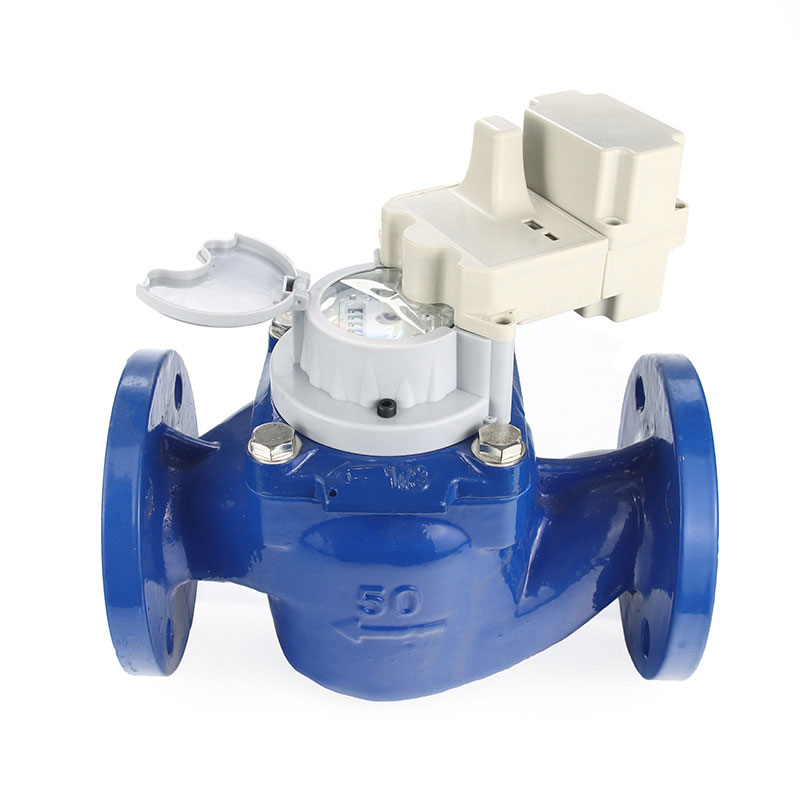 Water Flow Meter Drives Smart Water Management Upgrade
 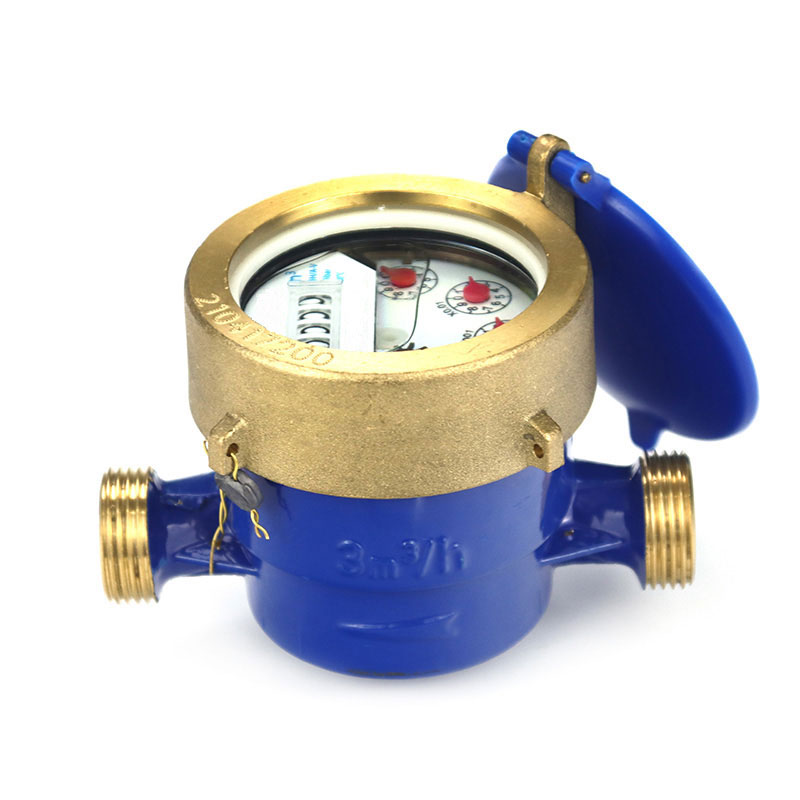 Old water meter replacement campaign launched: Solving metering challenges, benefiting millions of residents
 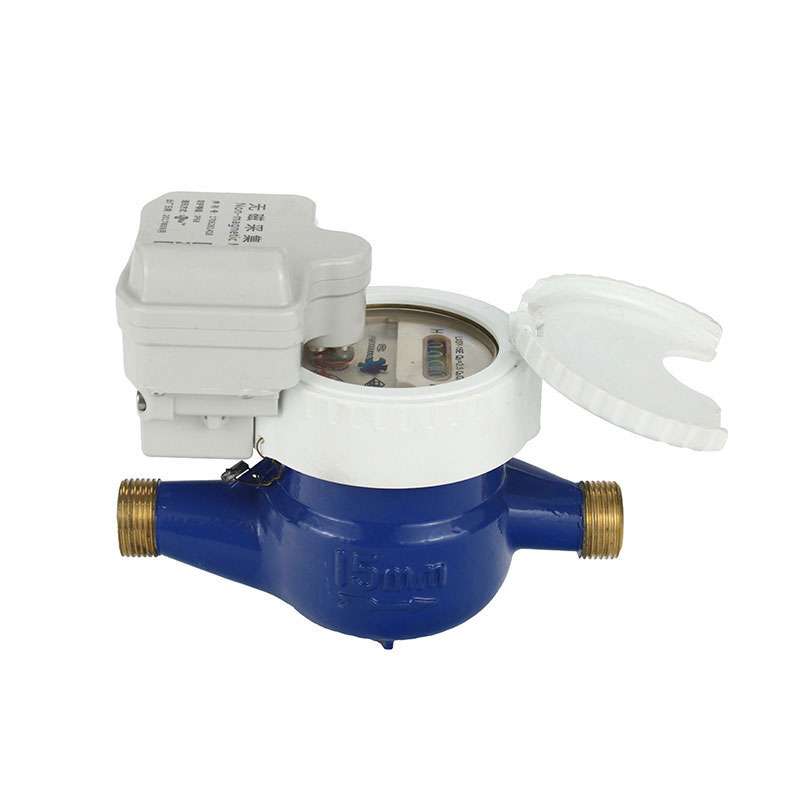 Smart Water Meters: The Digital Pulse of Urban Water Management
 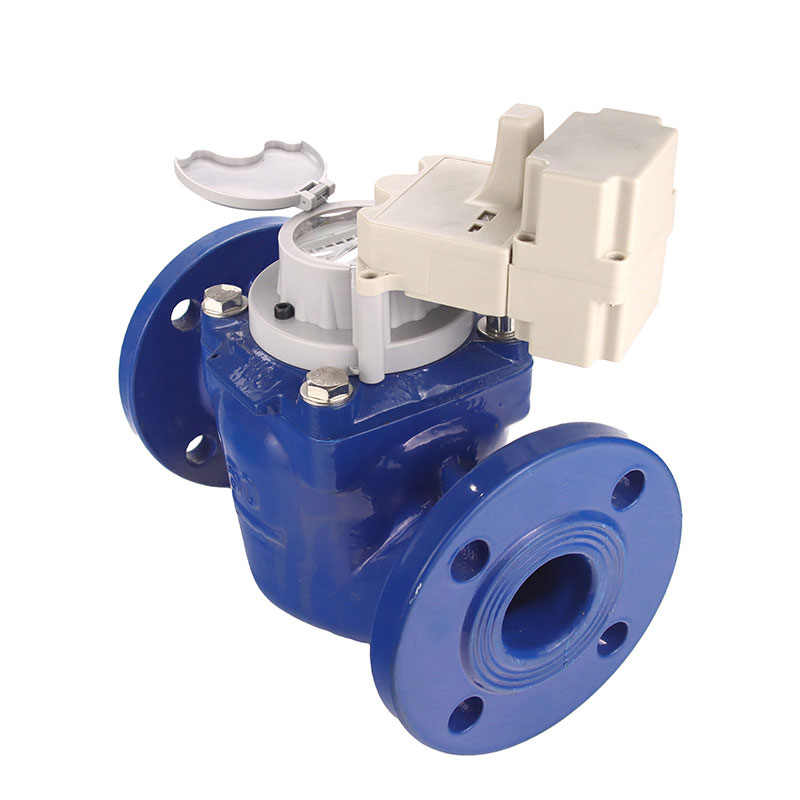 Say Goodbye to Overdue Bills – Start with a Prepaid Water Meter
  The Ultimate 2025 Guide to Water Meter Reading Worksheets
  Vertical vs. Horizontal Water Meters: A Comprehensive Analysis
  Wireless Water Meters: A Revolution in Water Management
  Compound Water Meters: A Comprehensive Guide
  Protecting Your Water Meter from Winter's Chill
  Revolutionizing Water Management: The Multi Jet Dry Type Intelligent Iron Water Meter
  Removable Woltman Water Meters: A Closer Look
  Understanding Electromagnetic Meters: Precision Tools for Accurate Water Measurement
  Valve Controlled Remote Intelligent Water Meters: A Revolution in Water Management
  The Inner Workings: Exploring Materials in Water Meter Bodies
  Your Water Bill: The Story Told by Your Water Meter Data
  The Silent Leak: Detecting Water Meter Issues for Efficient Water Management
  The Split-Case Advantage: Understanding Split-Case Water Meter Bodies
  The Indispensable Filter: Understanding Water Meter Strainers
  Wet vs. Dry Water Meters: A Comprehensive Guide to Understanding the Differences
  Understanding How Water Meters Track Our Usage