
Understanding How Water Meters Track Our Usage
2024-05-31
Residential Water Meter | Single Jet Water Meter | Multi Jet Water Meter | Volumetric Rotary Piston Water Meter | Ultrasonic Water Meter | Ultrasonic Heat Meter
Woltman Water Meter | Smart Water Meters | Direct Read Water Meter | Electromagnetic Water Meter | Multi Jet Wet Type Liquid Sealed Intelligent Water Meter
Woltman Water Meter | Smart Water Meters | Direct Read Water Meter | Electromagnetic Water Meter | Multi Jet Wet Type Liquid Sealed Intelligent Water Meter
Water meters, those unassuming boxes tucked away in basements or buried in lawns, are the workhorses behind our water bills. They silently track the amount of water we use, but how exactly do these devices measure water flow with such precision? Let's delve into the inner workings of a water meter, exploring the common mechanisms used to quantify our water consumption.
Here is the content list:
1. The Positive Displacement Powerhouse
2. The Alternative Approach: Velocity-Based Meters
1. The Positive Displacement Powerhouse
2. The Alternative Approach: Velocity-Based Meters
3. Beyond the Basics: Accuracy and Technological Advancements
4. Understanding the Selection Process: Choosing the Right Meter
The Positive Displacement Powerhouse
The most prevalent type of water meter utilizes a positive displacement (PD) mechanism. Imagine a miniature Ferris wheel with buckets continuously filling and emptying as water flows through the meter. This analogy closely resembles the inner workings of a PD meter. Here's a breakdown of the process:
The most prevalent type of water meter utilizes a positive displacement (PD) mechanism. Imagine a miniature Ferris wheel with buckets continuously filling and emptying as water flows through the meter. This analogy closely resembles the inner workings of a PD meter. Here's a breakdown of the process:
- Water Chamber: The journey begins with water entering the meter and filling a designated chamber containing a disc or piston.
- Displacement in Action: As the chamber fills to capacity, the disc or piston rotates, displacing the water to the next chamber in the sequence.
- Rotation & Registration: This rotation is linked to a calibrated mechanism that translates it into measurable units, typically cubic meters or gallons. This mechanism drives dials on traditional meters or transmits data electronically for digital models.
- A Never-Ending Cycle: The cycle of filling, displacement, and rotation continues as long as water flows through the meter. This perpetual motion accurately records the total volume of water consumed.
There are two main types of PD meters, each employing a slightly different approach to positive displacement:
- Nutating Disc Meters: These meters rely on a disc that tilts or "nutates" within a chamber. As water flows, the disc continuously tilts back and forth, creating a positive displacement effect that is measured and translated into water usage data.
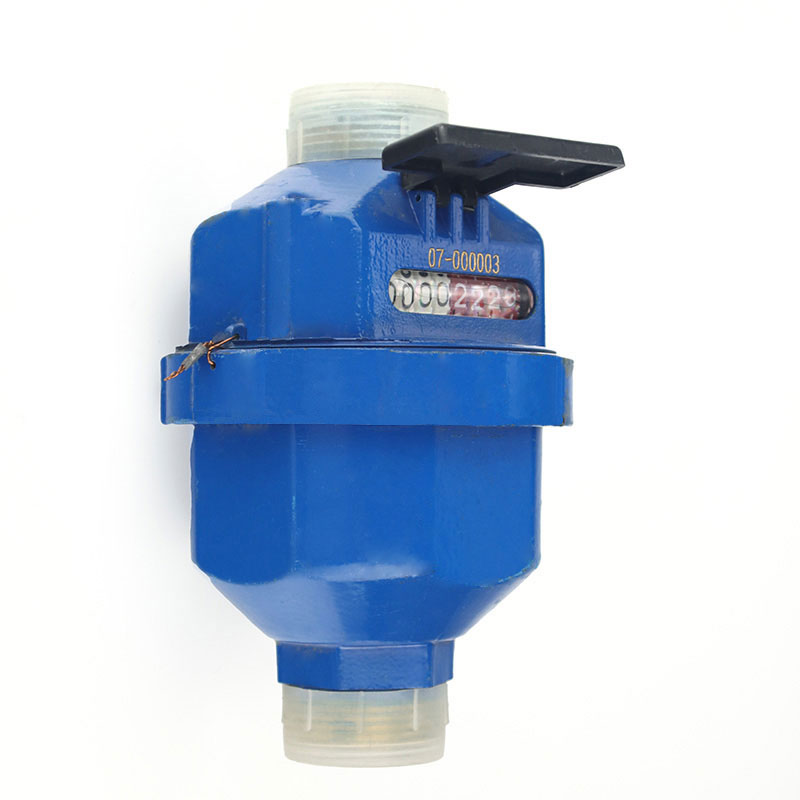
- Oscillating Piston Meters: In contrast, oscillating piston meters utilize a piston that moves back and forth within a chamber. With each oscillation triggered by the water flow, the piston displaces a specific volume of water, which is then accumulated and registered as total consumption.
The Alternative Approach: Velocity-Based Meters
While PD meters dominate the landscape of water measurement, another technology offers a distinct approach:
While PD meters dominate the landscape of water measurement, another technology offers a distinct approach:
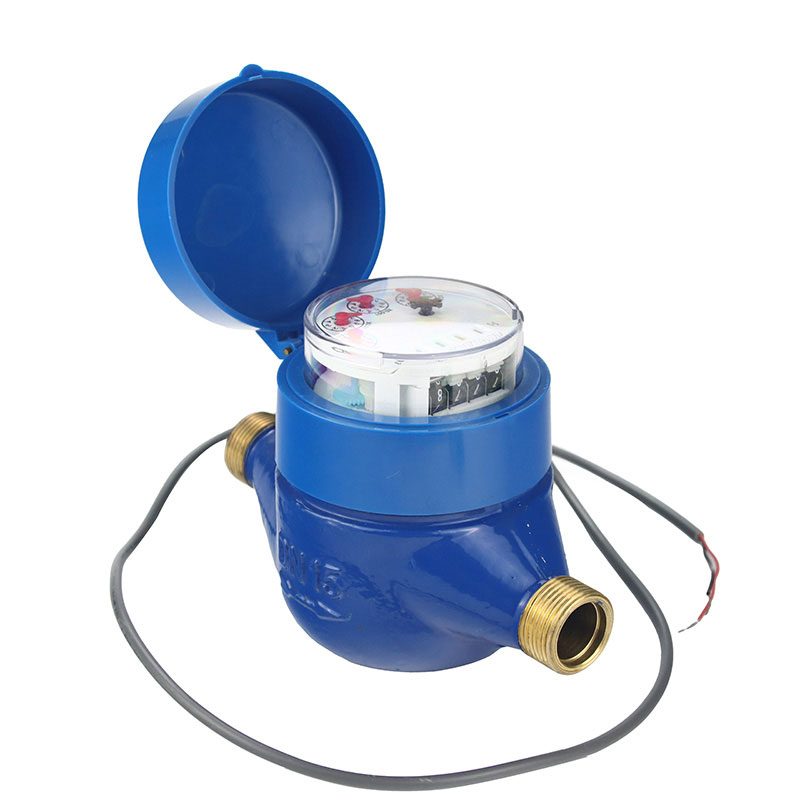
- Multi-Jet Meters: These meters incorporate a multi-bladed impeller positioned directly within the water flow path. The velocity of the water causes the impeller to spin at a rate proportional to the flow rate. The meter then translates the impeller's rotation speed into volume measurements. This method relies on the principle that the speed of the impeller directly correlates with the volume of water flowing through the meter.
Beyond the Basics: Accuracy and Technological Advancements
Modern water meters are not just about basic mechanics; they incorporate various features to ensure accurate measurement and reliable operation:
Modern water meters are not just about basic mechanics; they incorporate various features to ensure accurate measurement and reliable operation:
- Strainers: These unsung heroes act as filters, preventing debris from entering the meter and potentially damaging the internal components or affecting measurement accuracy. By keeping the meter's workings clean, strainers ensure precise water usage data.
- Leak Detection: Advanced water meters can be equipped with leak detection features. These functionalities can identify even small leaks within the water system, alerting homeowners to potential problems before they cause significant damage or water waste.
- Digital Meters: The evolution of technology has brought us digital water meters. These models utilize electronic sensors and displays to register water usage data. They offer real-time monitoring capabilities, allowing homeowners to track their water consumption habits and identify potential areas for conservation. Additionally, some digital meters can transmit data remotely for advanced water management practices by utility companies.
Understanding the Selection Process: Choosing the Right Meter
The choice of water meter type depends on several factors:
The choice of water meter type depends on several factors:
- Water Usage: For residential applications with moderate water flow, PD meters are generally sufficient. However, for industrial or commercial settings with high-volume water usage, multi-jet meters might be more suitable due to their ability to handle larger flow rates.
- Accuracy Requirements: While both PD and multi-jet meters offer accurate measurements, PD meters might be preferred for situations requiring exceptionally high precision.
- Cost: The cost of a water meter can vary depending on the type, size, and features. PD meters are generally more affordable than multi-jet meters.
- Environment: For areas prone to freezing temperatures, meters with frost protection features might be necessary to prevent damage.
By understanding these factors and the different meter types, homeowners and water authorities can make informed decisions when selecting and installing the most appropriate water meter for their specific needs.
The Silent But Essential Role in Water Management
Water meters, though often unnoticed, play a critical role in promoting responsible water management. By accurately tracking water usage, they enable fair water billing and provide valuable data for conservation efforts. This data can help identify areas of water waste and inform strategies for more sustainable water management practices.
Water meters, though often unnoticed, play a critical role in promoting responsible water management. By accurately tracking water usage, they enable fair water billing and provide valuable data for conservation efforts. This data can help identify areas of water waste and inform strategies for more sustainable water management practices.
If you still have questions or if you need more information of water meters, you can contact us freely. Our website is https://www.kinmeter.com and mail is yueray@kinhil.com, Kinhil is dedicated to providing high quality water meters and good service to our customers and friends!
 Water Flow Meter Drives Smart Water Management Upgrade
  Old water meter replacement campaign launched: Solving metering challenges, benefiting millions of residents
  Smart Water Meters: The Digital Pulse of Urban Water Management
  Say Goodbye to Overdue Bills – Start with a Prepaid Water Meter
  The Ultimate 2025 Guide to Water Meter Reading Worksheets
  Vertical vs. Horizontal Water Meters: A Comprehensive Analysis
  Wireless Water Meters: A Revolution in Water Management
  Compound Water Meters: A Comprehensive Guide
  How to Properly Size a Water Meter
  Protecting Your Water Meter from Winter's Chill
 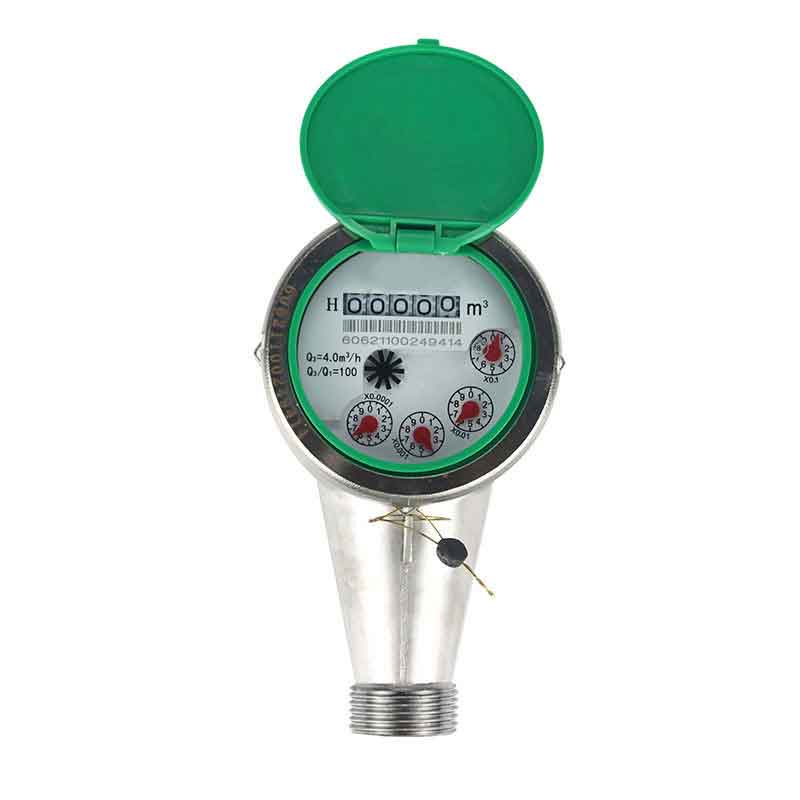 Revolutionizing Water Management: The Multi Jet Dry Type Intelligent Iron Water Meter
  Removable Woltman Water Meters: A Closer Look
 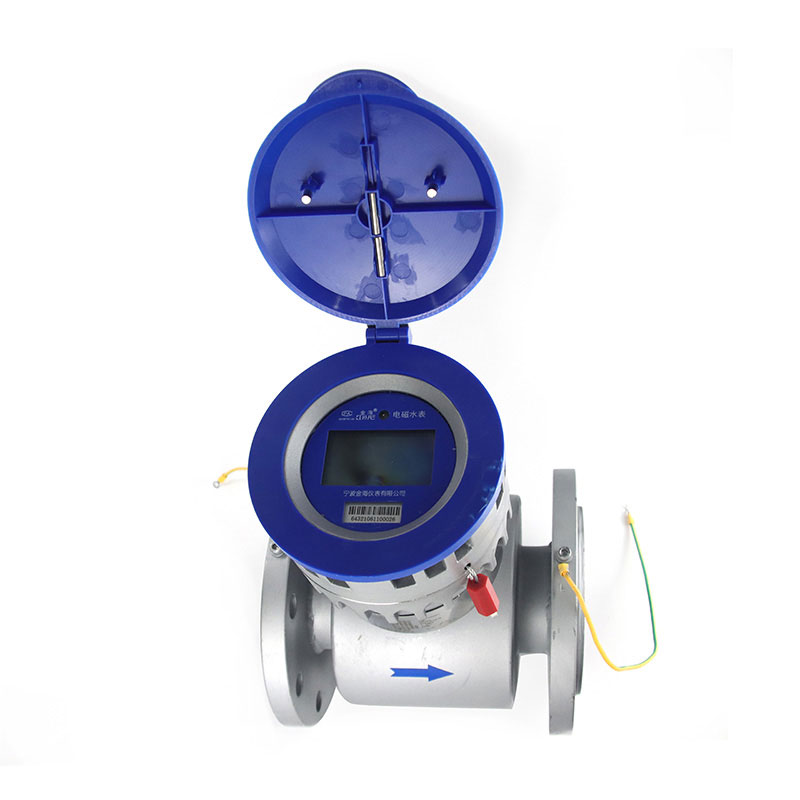 Understanding Electromagnetic Meters: Precision Tools for Accurate Water Measurement
 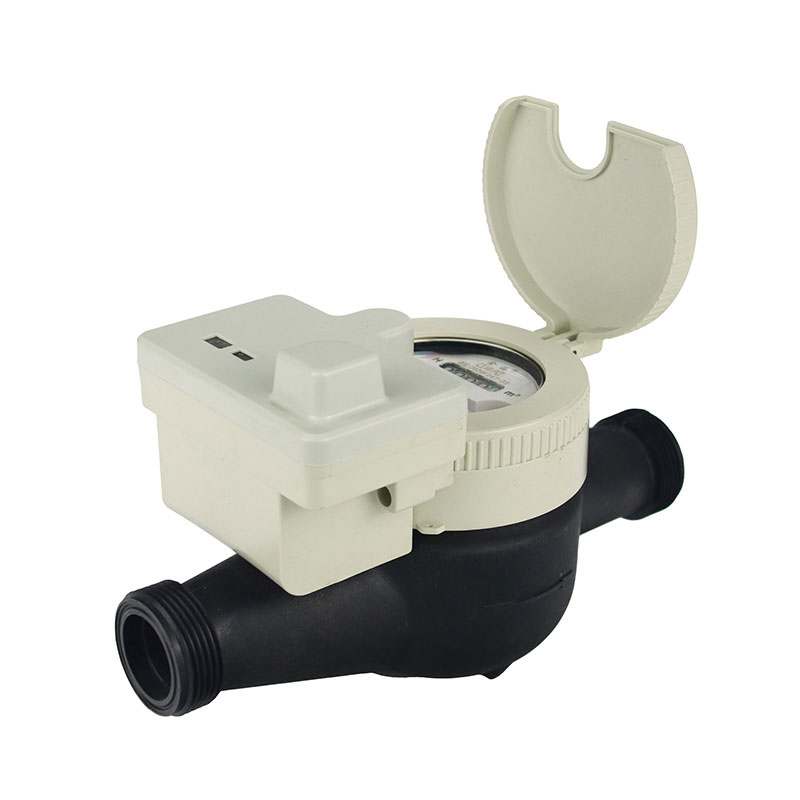 Valve Controlled Remote Intelligent Water Meters: A Revolution in Water Management
 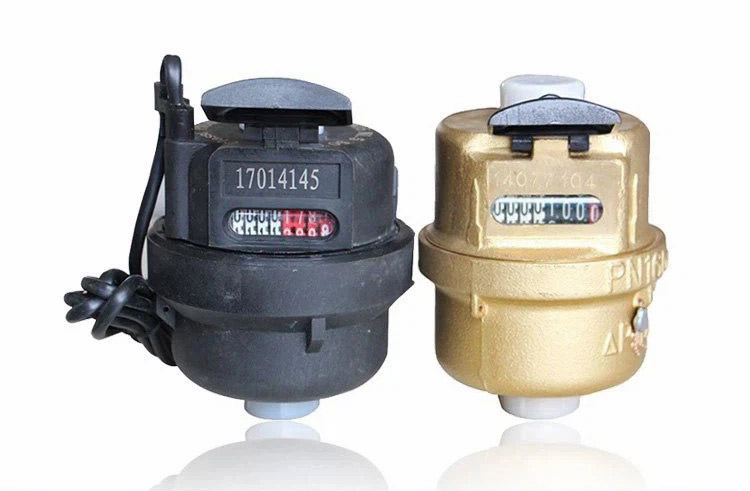 The Inner Workings: Exploring Materials in Water Meter Bodies
  Your Water Bill: The Story Told by Your Water Meter Data
  The Silent Leak: Detecting Water Meter Issues for Efficient Water Management
  The Split-Case Advantage: Understanding Split-Case Water Meter Bodies
  The Indispensable Filter: Understanding Water Meter Strainers
  Wet vs. Dry Water Meters: A Comprehensive Guide to Understanding the Differences