
Comprehensive Guide to Wired Water Meter Connection Installation
2022-12-08
Residential Water Meter | Single Jet Water Meter | Multi Jet Water Meter | Volumetric Rotary Piston Water Meter | Ultrasonic Water Meter | Ultrasonic Heat Meter
Woltman Water Meter | Smart Water Meters | Direct Read Water Meter | Electromagnetic Water Meter | Multi Jet Wet Type Liquid Sealed Intelligent Water Meter
Woltman Water Meter | Smart Water Meters | Direct Read Water Meter | Electromagnetic Water Meter | Multi Jet Wet Type Liquid Sealed Intelligent Water Meter
Here is the content list:
- Detailed Overview of Components and Functions in Water Meter Connection
- Step-by-Step Guide for Proper Water Meter Wire Installation
- Key Components in a Wired Water Meter Connection
When it comes to installing a wired water meter connection, it's important to understand the various components involved and the steps required. This article will provide you with a comprehensive overview of the process, including a detailed drawing of the water meter connection and the necessary information regarding the water meter wire.
Detailed Overview of Components and Functions in Water Meter Connection
A water meter connection typically consists of several elements, each serving a specific purpose. These components include the water meter itself, pipes, valves, and the wiring system. Let's delve into each of these in detail.
A water meter connection typically consists of several elements, each serving a specific purpose. These components include the water meter itself, pipes, valves, and the wiring system. Let's delve into each of these in detail.
1.Water Meter:
The water meter is the primary device used to measure the amount of water flowing through the system. It is usually installed at the point of entry, where the main water supply line enters the property. The water meter contains a series of gears and dials that rotate as water passes through, providing an accurate measurement of water consumption.
The water meter is the primary device used to measure the amount of water flowing through the system. It is usually installed at the point of entry, where the main water supply line enters the property. The water meter contains a series of gears and dials that rotate as water passes through, providing an accurate measurement of water consumption.
2.Pipes:
Pipes play a crucial role in connecting the water meter to the main water supply line and distributing water throughout the property. They are typically made of materials such as copper, PVC, or PEX. The size and type of pipes used depend on the water flow requirements and local plumbing codes.
Pipes play a crucial role in connecting the water meter to the main water supply line and distributing water throughout the property. They are typically made of materials such as copper, PVC, or PEX. The size and type of pipes used depend on the water flow requirements and local plumbing codes.
3.Valves:
Valves are used to control the flow of water within the system. A shut-off valve is installed before the water meter to allow for maintenance or repairs without interrupting the entire water supply. Additional valves may be placed strategically throughout the plumbing system to isolate specific areas or fixtures.
Valves are used to control the flow of water within the system. A shut-off valve is installed before the water meter to allow for maintenance or repairs without interrupting the entire water supply. Additional valves may be placed strategically throughout the plumbing system to isolate specific areas or fixtures.
4.Wiring System:
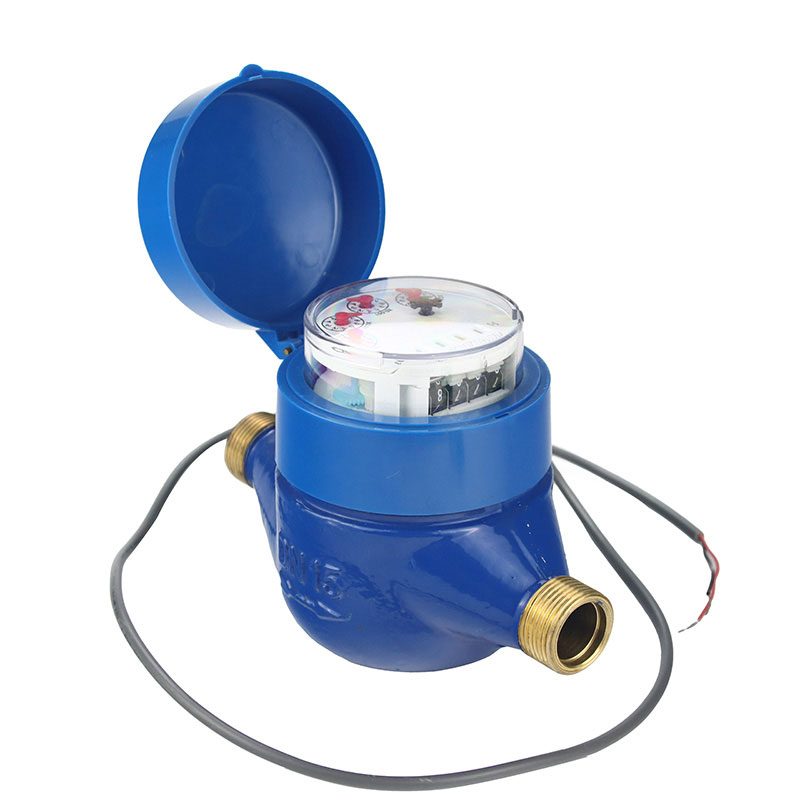
The wiring system in a water meter connection enables the transmission of data from the meter to a monitoring or billing system. It typically consists of a wire or cable connected to the water meter's pulse output. The pulse output emits electrical signals proportional to the amount of water flowing through the meter. These signals can be interpreted by a remote monitoring device or a data logger for further analysis or billing purposes.
The wiring system in a water meter connection enables the transmission of data from the meter to a monitoring or billing system. It typically consists of a wire or cable connected to the water meter's pulse output. The pulse output emits electrical signals proportional to the amount of water flowing through the meter. These signals can be interpreted by a remote monitoring device or a data logger for further analysis or billing purposes.
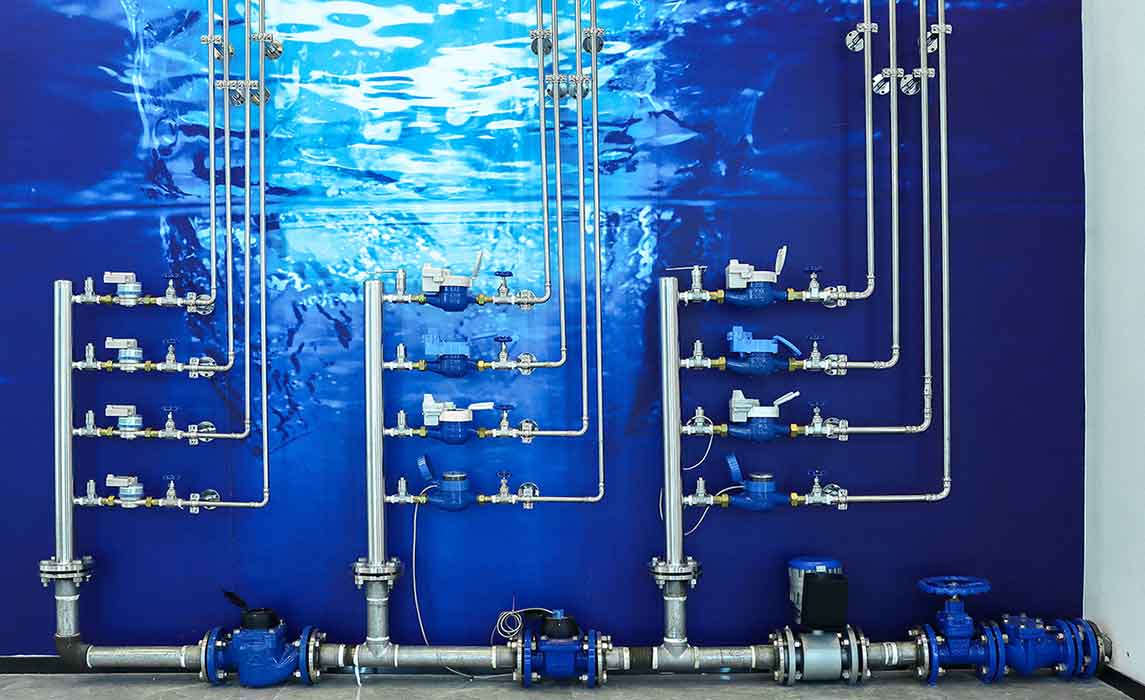
Now, let's focus on the water meter wire. The wire used for connecting the water meter is usually a low-voltage, insulated cable. It is designed to withstand the environmental conditions present in utility pits or meter boxes. The wire should be durable, resistant to moisture, and capable of transmitting signals accurately.
Step-by-Step Guide for Proper Water Meter Wire Installation
To ensure proper installation, follow these steps:
To ensure proper installation, follow these steps:
1.Consult the manufacturer's instructions:
Always refer to the manufacturer's guidelines and specifications for the specific water meter model you are using. These instructions will provide you with detailed information on the wire gauge, type, and any special considerations for the installation.
Always refer to the manufacturer's guidelines and specifications for the specific water meter model you are using. These instructions will provide you with detailed information on the wire gauge, type, and any special considerations for the installation.
2.Select the appropriate wire:
Choose a wire that meets the recommended specifications provided by the manufacturer. This includes the wire gauge, insulation type, and any specific requirements for the pulse output connection.
Choose a wire that meets the recommended specifications provided by the manufacturer. This includes the wire gauge, insulation type, and any specific requirements for the pulse output connection.
3.Prepare the wire:
Strip the insulation at the ends of the wire to expose the conductive cores. This will allow for proper connection to the pulse output terminals of the water meter.
Strip the insulation at the ends of the wire to expose the conductive cores. This will allow for proper connection to the pulse output terminals of the water meter.
4.Connect the wire:
Carefully connect one end of the wire to the pulse output terminal on the water meter. Ensure a secure connection to prevent any signal loss or disruptions. The other end of the wire can be connected to the monitoring device, data logger, or any other system that requires the water consumption data.
Carefully connect one end of the wire to the pulse output terminal on the water meter. Ensure a secure connection to prevent any signal loss or disruptions. The other end of the wire can be connected to the monitoring device, data logger, or any other system that requires the water consumption data.
5.Test the connection:
Once the wire is properly connected, it's essential to test the system to ensure accurate data transmission. Follow the testing procedures recommended by the manufacturer or consult with a professional if necessary.
Once the wire is properly connected, it's essential to test the system to ensure accurate data transmission. Follow the testing procedures recommended by the manufacturer or consult with a professional if necessary.
By following these guidelines and referring to the accompanying water meter connection detail drawing, you can confidently install a wired water meter connection. Remember to prioritize safety, accuracy, and compliance with local plumbing codes throughout the installation process.
Key Components in a Wired Water Meter Connection
In conclusion, a wired water meter connection involves the proper installation of various components, including the water meter, pipes, valves, and wiring system. The water meter wire is a crucial part of this process.
In conclusion, a wired water meter connection involves the proper installation of various components, including the water meter, pipes, valves, and wiring system. The water meter wire is a crucial part of this process.
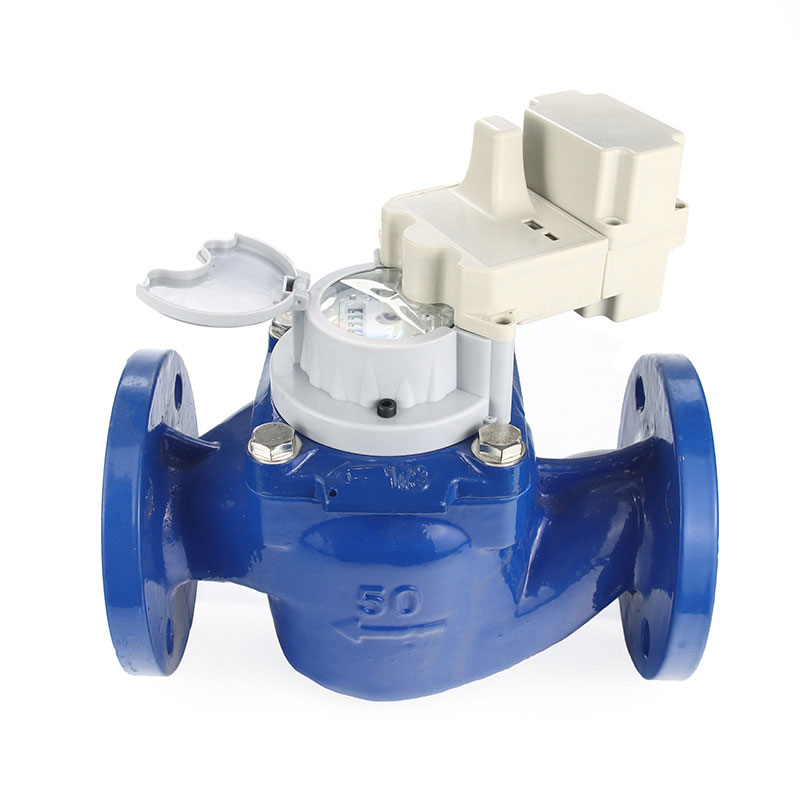 Water Flow Meter Drives Smart Water Management Upgrade
 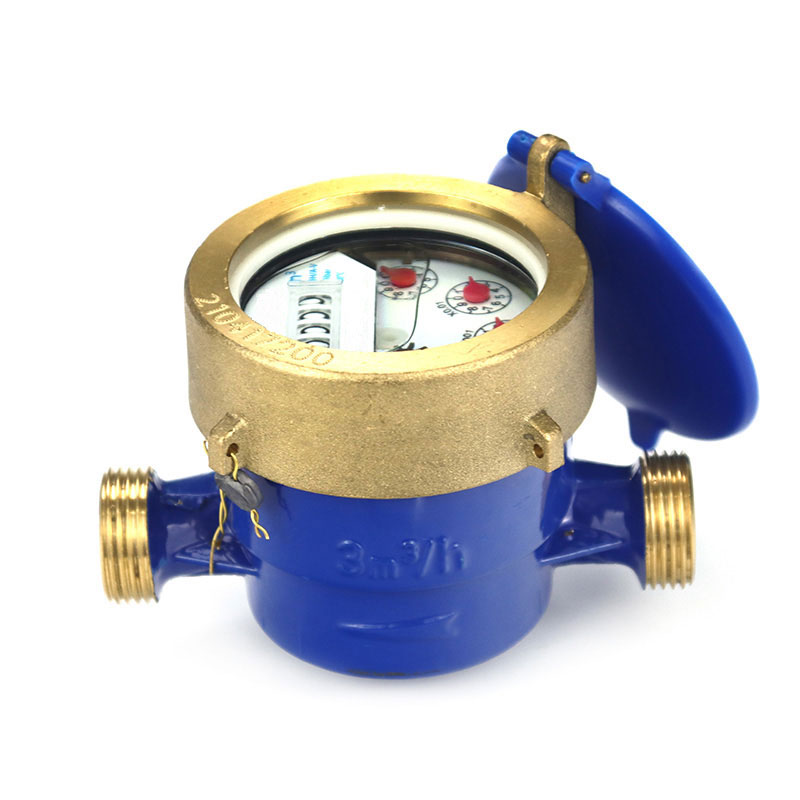 Old water meter replacement campaign launched: Solving metering challenges, benefiting millions of residents
 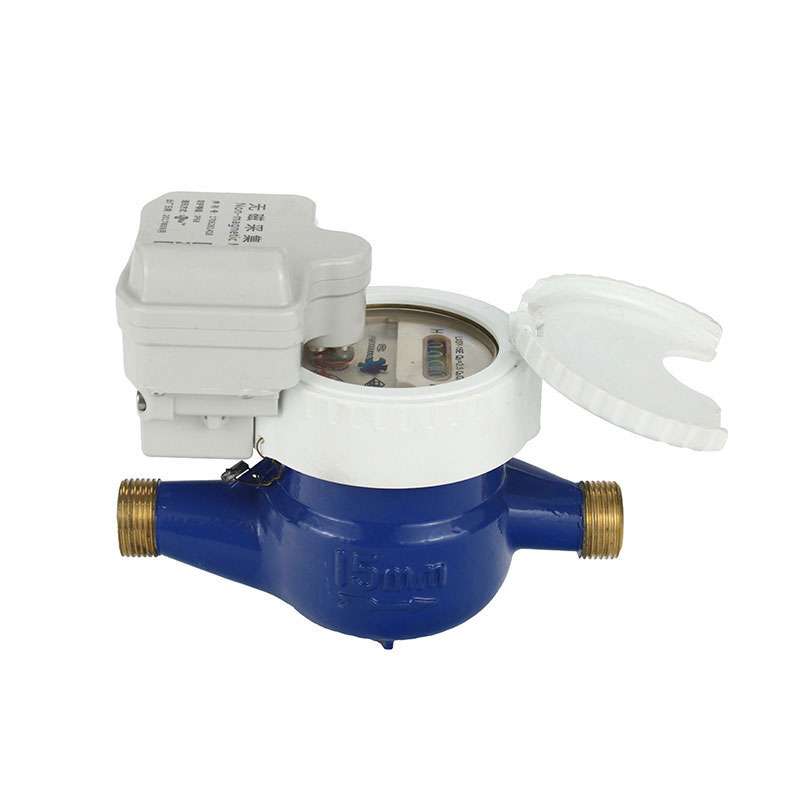 Smart Water Meters: The Digital Pulse of Urban Water Management
  Say Goodbye to Overdue Bills – Start with a Prepaid Water Meter
  The Ultimate 2025 Guide to Water Meter Reading Worksheets
  Vertical vs. Horizontal Water Meters: A Comprehensive Analysis
  Wireless Water Meters: A Revolution in Water Management
  Compound Water Meters: A Comprehensive Guide
  How to Properly Size a Water Meter
  Protecting Your Water Meter from Winter's Chill
  Revolutionizing Water Management: The Multi Jet Dry Type Intelligent Iron Water Meter
  Removable Woltman Water Meters: A Closer Look
  Understanding Electromagnetic Meters: Precision Tools for Accurate Water Measurement
  Valve Controlled Remote Intelligent Water Meters: A Revolution in Water Management
  The Inner Workings: Exploring Materials in Water Meter Bodies
  Your Water Bill: The Story Told by Your Water Meter Data
  The Silent Leak: Detecting Water Meter Issues for Efficient Water Management
  The Split-Case Advantage: Understanding Split-Case Water Meter Bodies
  The Indispensable Filter: Understanding Water Meter Strainers
  Wet vs. Dry Water Meters: A Comprehensive Guide to Understanding the Differences