
Decoding the Water Meter A Breakdown of Its Essential Components
2024-05-10
Residential Water Meter | Single Jet Water Meter | Multi Jet Water Meter | Volumetric Rotary Piston Water Meter | Ultrasonic Water Meter | Ultrasonic Heat Meter
Woltman Water Meter | Smart Water Meters | Direct Read Water Meter | Electromagnetic Water Meter | Multi Jet Wet Type Liquid Sealed Intelligent Water Meter
Woltman Water Meter | Smart Water Meters | Direct Read Water Meter | Electromagnetic Water Meter | Multi Jet Wet Type Liquid Sealed Intelligent Water Meter
Ever wondered how your water bill knows exactly how much you've used? The silent guardian behind this is your trusty water meter. This seemingly simple device plays a crucial role in ensuring fair water billing and promoting water conservation. But what exactly goes on inside that metal box by the curb? Let's delve into the basic components of a water meter and understand how they work together to track your water consumption.
Here is the content list:
1. The Heart of the Matter: The Measurement Mechanism
2. Keeping Track: The Register
1. The Heart of the Matter: The Measurement Mechanism
2. Keeping Track: The Register
3. Keeping it Separate: The Meter Body
4. Optional Extras: Shut-off Valves and Strainers
5. Understanding Transmission: Wet vs. Dry Registers
6. The Brains Behind the Brawn: Smart Meter Technology
7. Conclusion
The Heart of the Matter: The Measurement Mechanism
There are two main types of measurement mechanisms used in water meters: positive displacement and velocity meters.
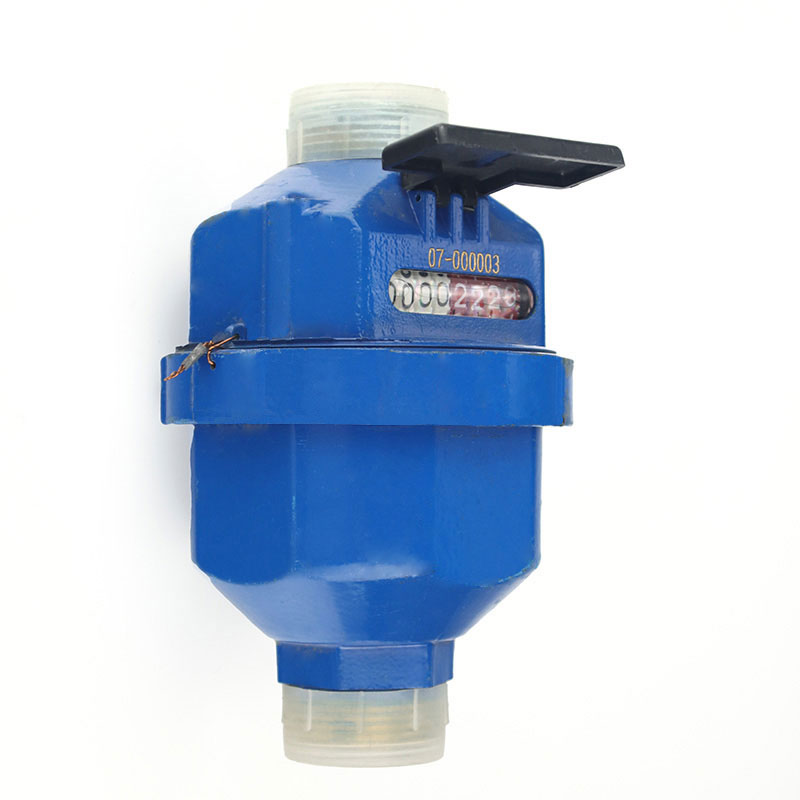
Positive Displacement Meters: These work like a miniature waterwheel. As water flows through the meter, it pushes a piston or disc to rotate. Each rotation corresponds to a specific volume of water.
There are two main types of measurement mechanisms used in water meters: positive displacement and velocity meters.
Positive Displacement Meters: These work like a miniature waterwheel. As water flows through the meter, it pushes a piston or disc to rotate. Each rotation corresponds to a specific volume of water.
- Oscillating piston meters: A piston moves back and forth within a chamber, displacing a fixed amount of water with each cycle.
- Nutating disc meters: A disc pivots or "nutates" within a chamber, allowing water to flow through one side at a time. The disc's rotation is proportional to the water volume.
Velocity Meters: These meters measure the speed of the flowing water.
- Multi-jet meters: Multiple jets of water impinge on a turbine blade, causing it to spin. The rotation speed is proportional to the water flow rate.
Keeping Track: The Register
The measurement mechanism is connected to a register, which translates the movement into a readable format. Traditional meters have dials or wheels with numbers that display the total volume of water used, typically in cubic feet or gallons.
The measurement mechanism is connected to a register, which translates the movement into a readable format. Traditional meters have dials or wheels with numbers that display the total volume of water used, typically in cubic feet or gallons.
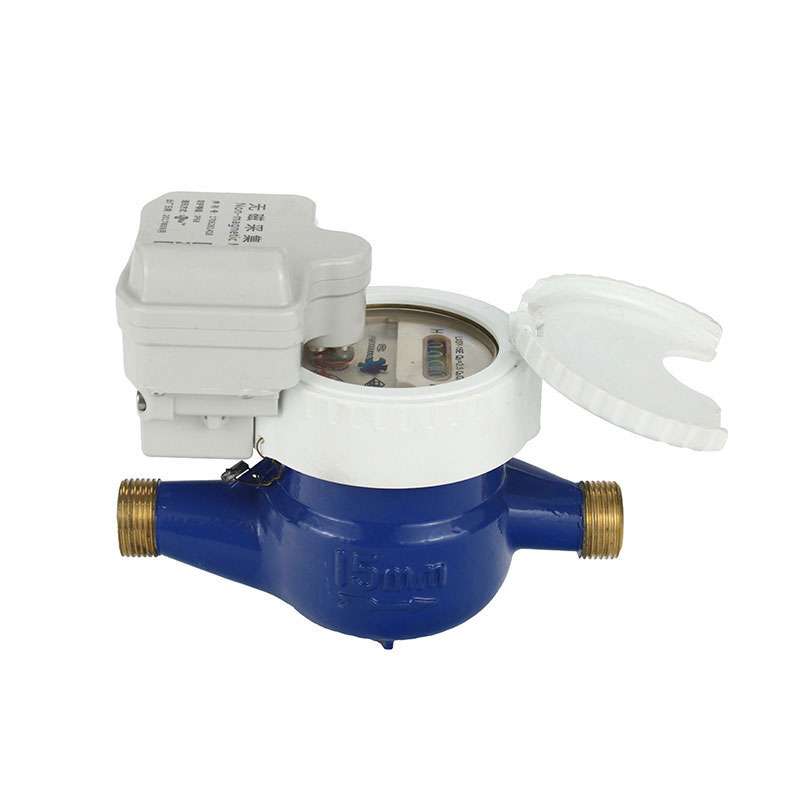
Modern meters often have digital registers for easier reading and may even have features like leak detection or remote data transmission. In these meters, the measurement mechanism might be connected to a magnet that rotates a sensor, converting the movement into electrical signals. These signals are then processed by a circuit board to display the water usage on the digital display or transmit data wirelessly.
Keeping it Separate: The Meter Body
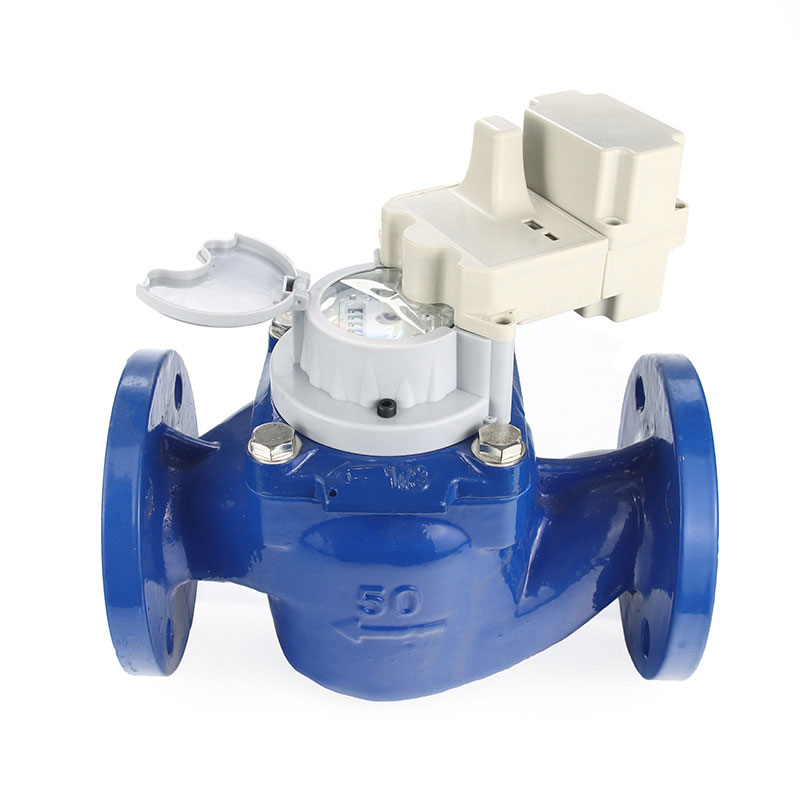
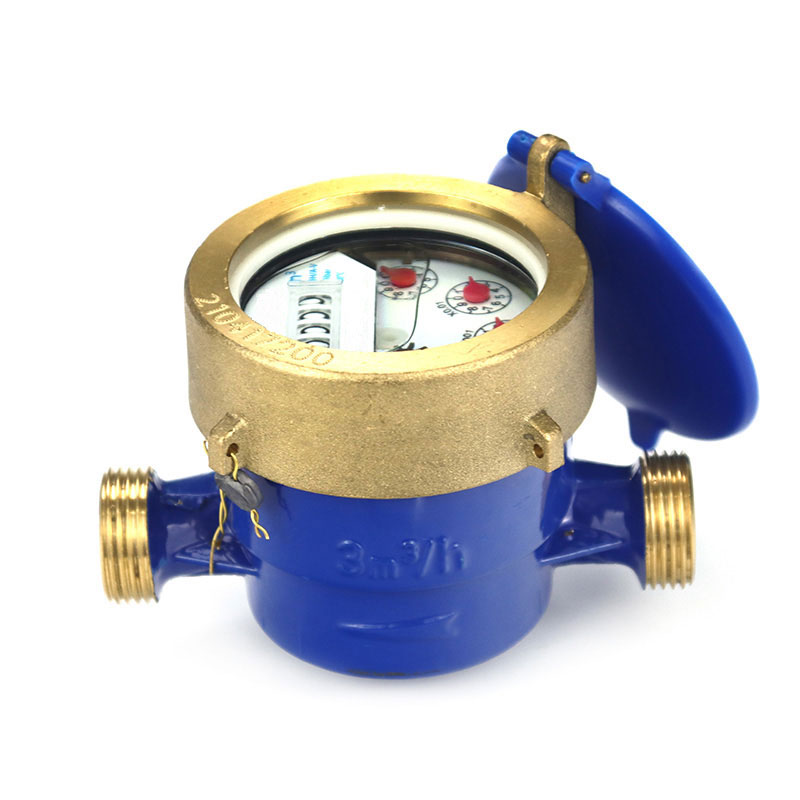
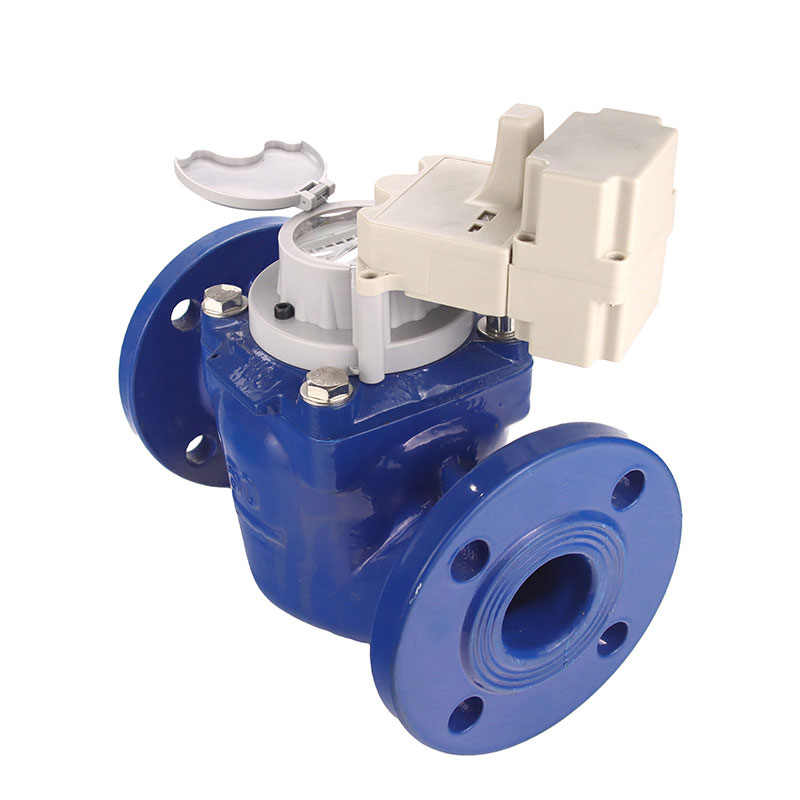
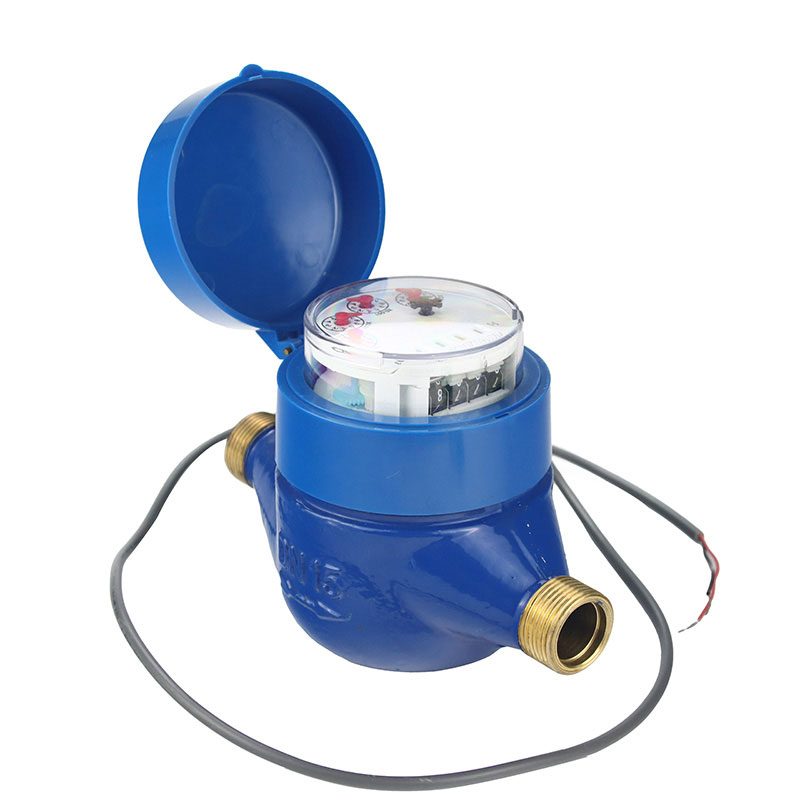
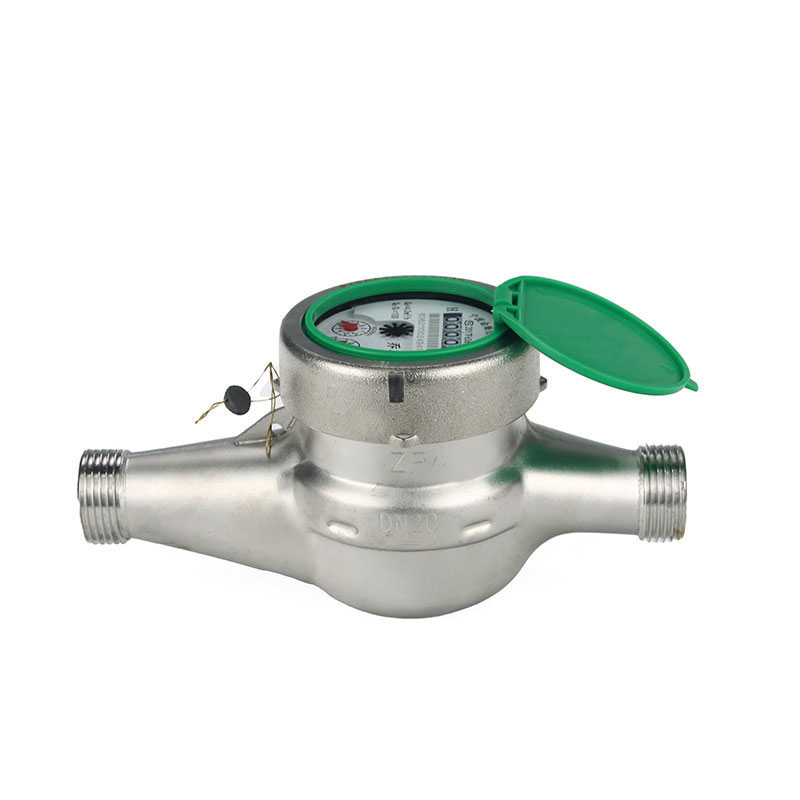
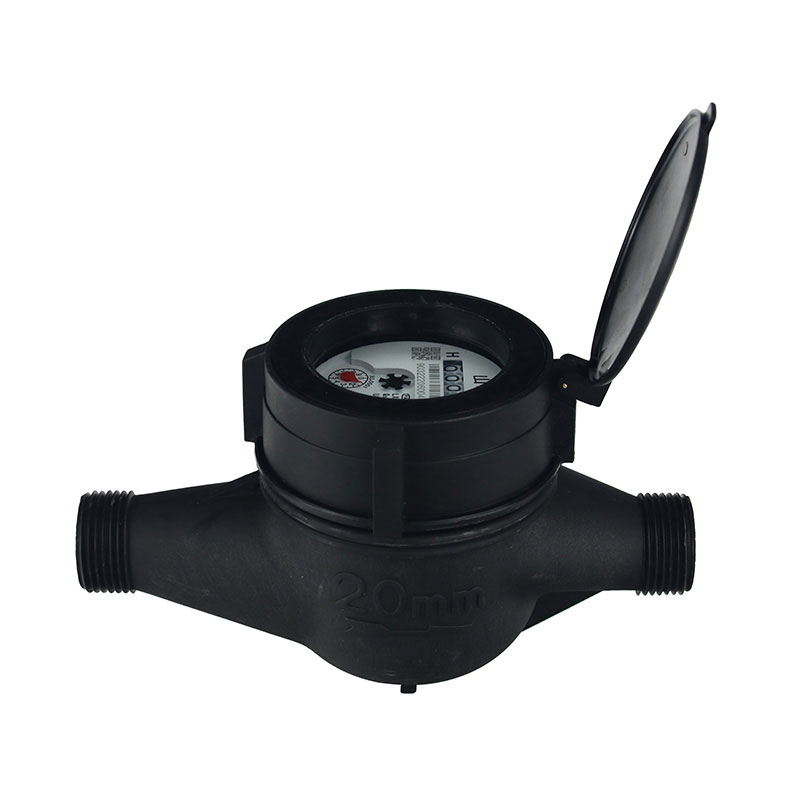
The measurement mechanism and register are housed within a meter body, typically made of durable materials like brass or cast iron. This body protects the internal components from external elements and ensures the meter operates reliably for years. The meter body also has inlet and outlet ports for water to flow through and may have strainer elements to prevent debris from entering the mechanism.
The measurement mechanism and register are housed within a meter body, typically made of durable materials like brass or cast iron. This body protects the internal components from external elements and ensures the meter operates reliably for years. The meter body also has inlet and outlet ports for water to flow through and may have strainer elements to prevent debris from entering the mechanism.
Optional Extras: Shut-off Valves and Strainers
Some water meters may come equipped with additional features:
Some water meters may come equipped with additional features:
- Shut-off valves: These valves allow isolating the meter from the water supply for maintenance or meter changes.
- Strainers: These fine mesh filters trap debris in the water stream before it reaches the measurement mechanism, preventing damage or inaccurate readings.
Understanding Transmission: Wet vs. Dry Registers
The way the measurement mechanism communicates with the register can be categorized as either wet or dry:
The way the measurement mechanism communicates with the register can be categorized as either wet or dry:
- Wet register: In this design, the measurement mechanism is directly coupled to the register through a shaft that rotates in the flowing water. While simpler, this design can be susceptible to wear and tear due to constant water exposure.
- Dry register: Here, the measurement mechanism is sealed from the water flow. A magnetic coupling transmits the movement to the register on the outside of the meter body. This design offers better protection from waterborne contaminants and provides a cleaner reading surface.
The Brains Behind the Brawn: Smart Meter Technology
While traditional water meters provide cumulative water usage data, advancements have led to the introduction of smart meters. These meters incorporate advanced electronics and communication capabilities. They can:
While traditional water meters provide cumulative water usage data, advancements have led to the introduction of smart meters. These meters incorporate advanced electronics and communication capabilities. They can:
- Record water usage at regular intervals, allowing for more detailed consumption analysis.
- Detect leaks by identifying unusual flow patterns.
- Transmit water usage data wirelessly to utility companies, enabling remote meter reading and billing.
Conclusion
Water meters are ingenious devices that ensure fair water billing and promote responsible water use. Understanding the basic components - the measurement mechanism, register, meter body, and optional features - sheds light on how they effectively track our water consumption. As technology evolves, smart meters are poised to play an even bigger role in water management, helping us conserve this precious resource.
Water meters are ingenious devices that ensure fair water billing and promote responsible water use. Understanding the basic components - the measurement mechanism, register, meter body, and optional features - sheds light on how they effectively track our water consumption. As technology evolves, smart meters are poised to play an even bigger role in water management, helping us conserve this precious resource.
If you still have questions or if you need more information of water meters, you can contact us freely. Our website is https://www.kinmeter.com and mail is yueray@kinhil.com, Kinhil is dedicated to providing high quality water meters and good service to our customers and friends!
 Water Flow Meter Drives Smart Water Management Upgrade
  Old water meter replacement campaign launched: Solving metering challenges, benefiting millions of residents
  Smart Water Meters: The Digital Pulse of Urban Water Management
  Say Goodbye to Overdue Bills – Start with a Prepaid Water Meter
  The Ultimate 2025 Guide to Water Meter Reading Worksheets
  Vertical vs. Horizontal Water Meters: A Comprehensive Analysis
  Wireless Water Meters: A Revolution in Water Management
  Compound Water Meters: A Comprehensive Guide
  How to Properly Size a Water Meter
  Protecting Your Water Meter from Winter's Chill
  Revolutionizing Water Management: The Multi Jet Dry Type Intelligent Iron Water Meter
  Removable Woltman Water Meters: A Closer Look
  Understanding Electromagnetic Meters: Precision Tools for Accurate Water Measurement
  Valve Controlled Remote Intelligent Water Meters: A Revolution in Water Management
  The Inner Workings: Exploring Materials in Water Meter Bodies
  Your Water Bill: The Story Told by Your Water Meter Data
  The Silent Leak: Detecting Water Meter Issues for Efficient Water Management
  The Split-Case Advantage: Understanding Split-Case Water Meter Bodies
  The Indispensable Filter: Understanding Water Meter Strainers
  Wet vs. Dry Water Meters: A Comprehensive Guide to Understanding the Differences