
How to Calculate Water Bill from Meter Reading
2023-10-07
Residential Water Meter | Single Jet Water Meter | Multi Jet Water Meter | Volumetric Rotary Piston Water Meter | Ultrasonic Water Meter | Ultrasonic Heat Meter
Woltman Water Meter | Smart Water Meters | Direct Read Water Meter | Electromagnetic Water Meter | Multi Jet Wet Type Liquid Sealed Intelligent Water Meter
Woltman Water Meter | Smart Water Meters | Direct Read Water Meter | Electromagnetic Water Meter | Multi Jet Wet Type Liquid Sealed Intelligent Water Meter
Water is one of life's necessities, and for most of us, having access to clean and reliable water is something we often take for granted. However, it's crucial to understand how water usage is measured and billed, especially if you're a homeowner or tenant responsible for paying your water bill. In this comprehensive guide, we will delve deep into the process of calculating your water bill from meter reading. By the end of this article, you'll have a thorough understanding of how water billing works, and you'll be equipped to manage your water consumption more efficiently.
Here is the content list:
- Understanding the Water Meter
- Reading the Water Meter
- Converting Cubic Feet to Gallons
- Understanding the Billing Period
- Calculating Water Usage
- Determining the Rate
- Calculating the Water Bill
- Additional Charges and Fees
- Monitoring and Managing Your Water Usage
- Conclusion
1. Understanding the Water Meter
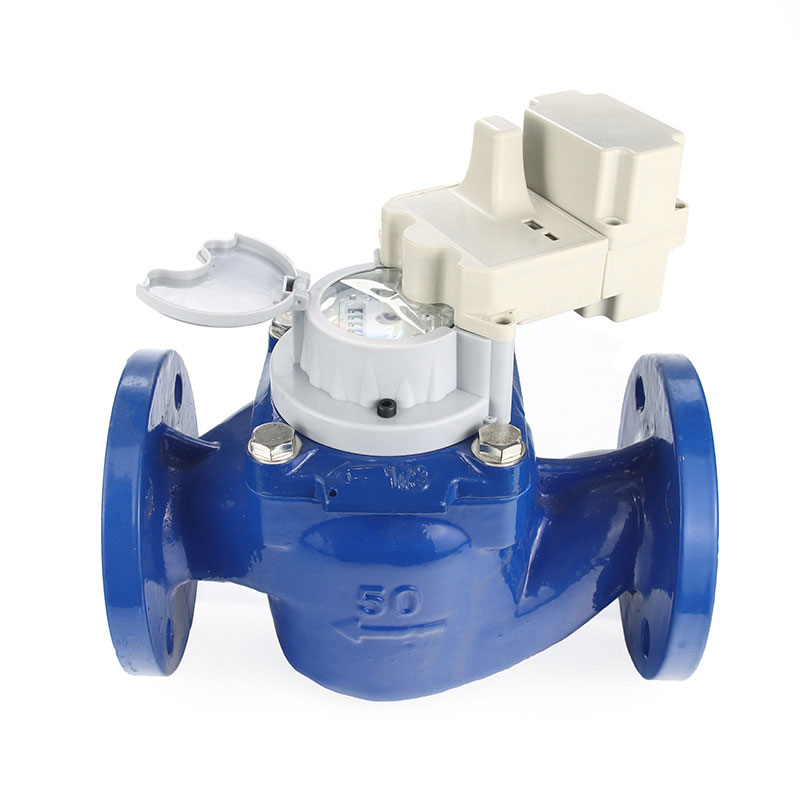
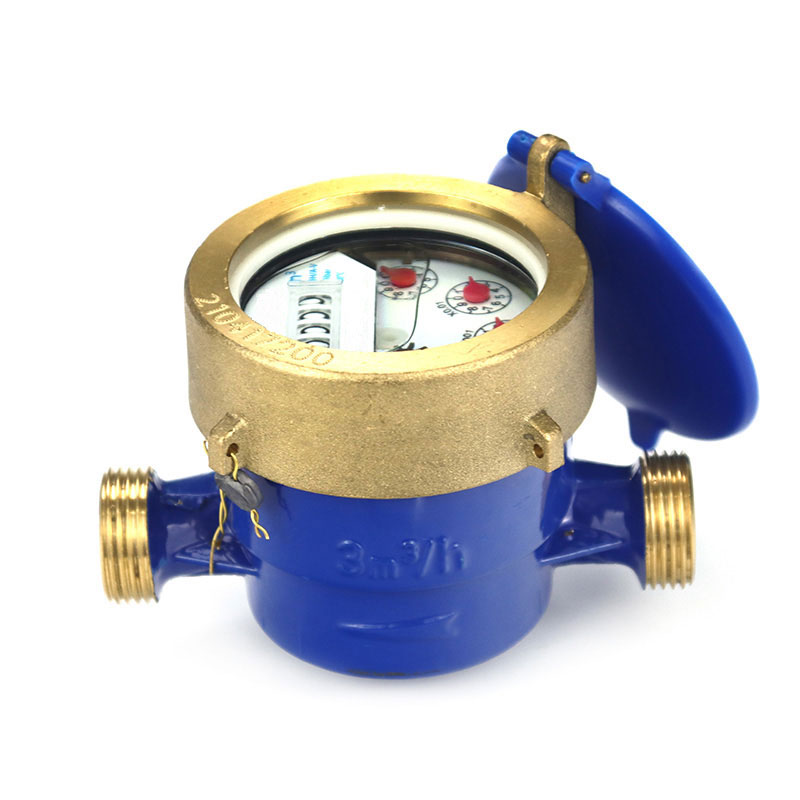
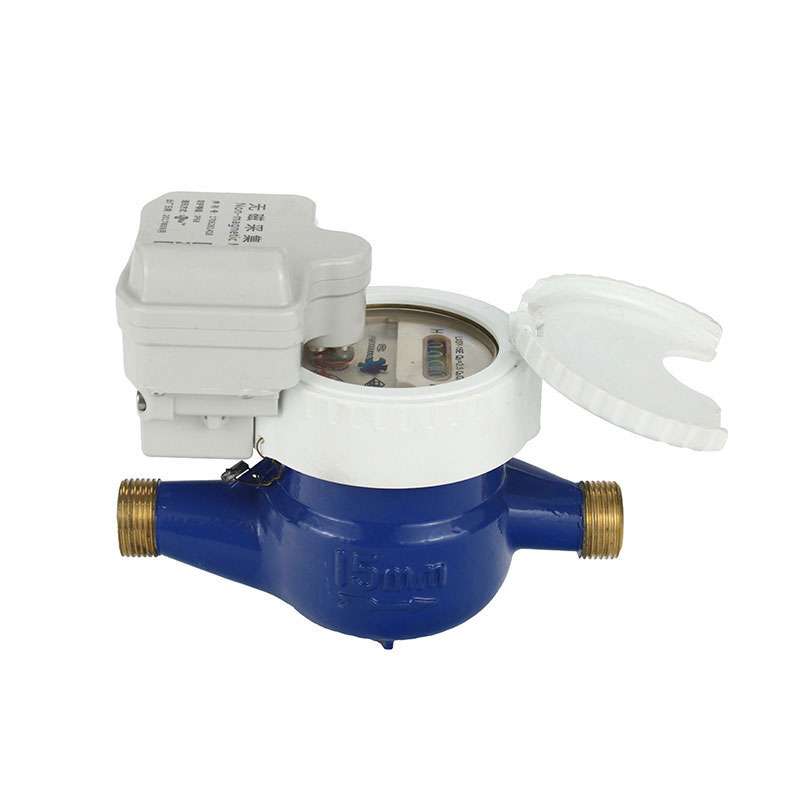
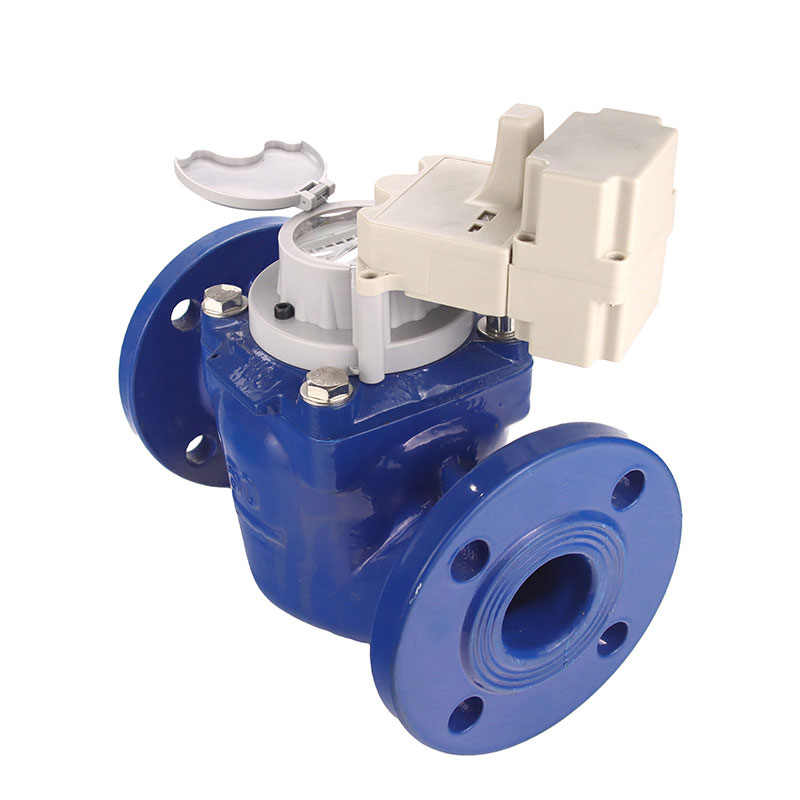
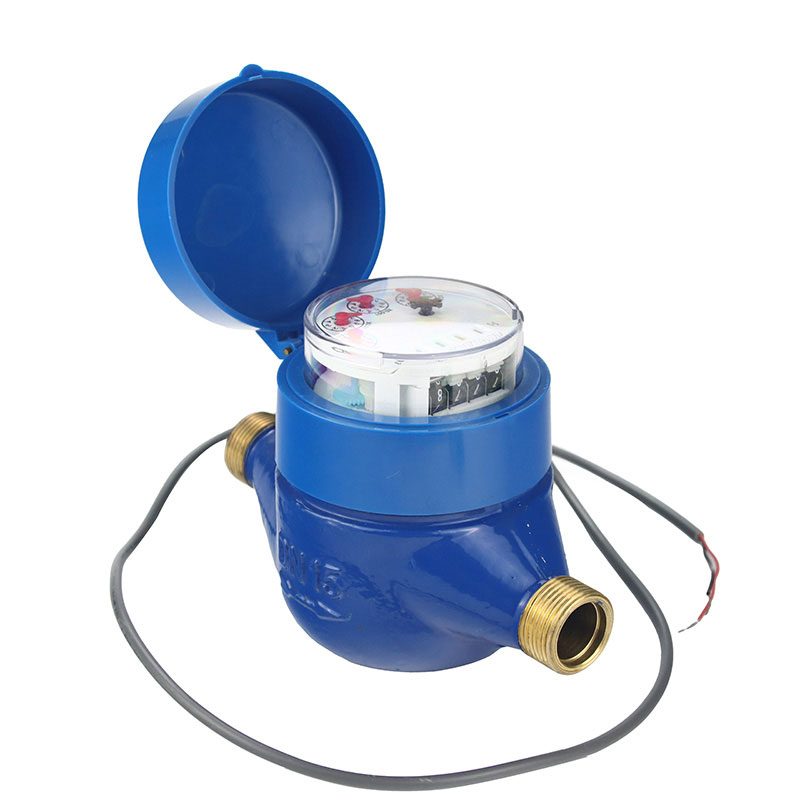
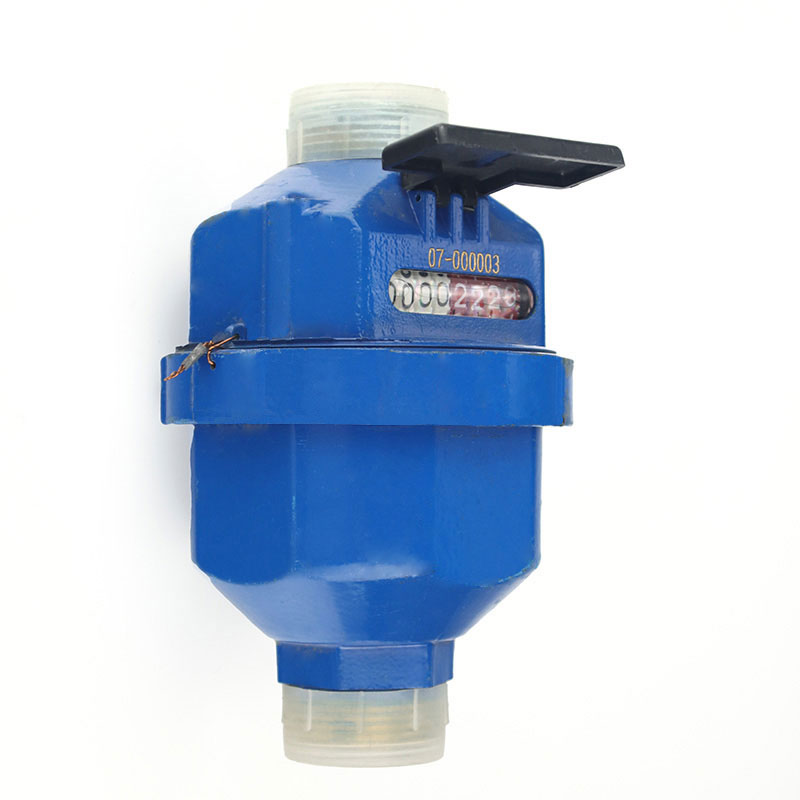
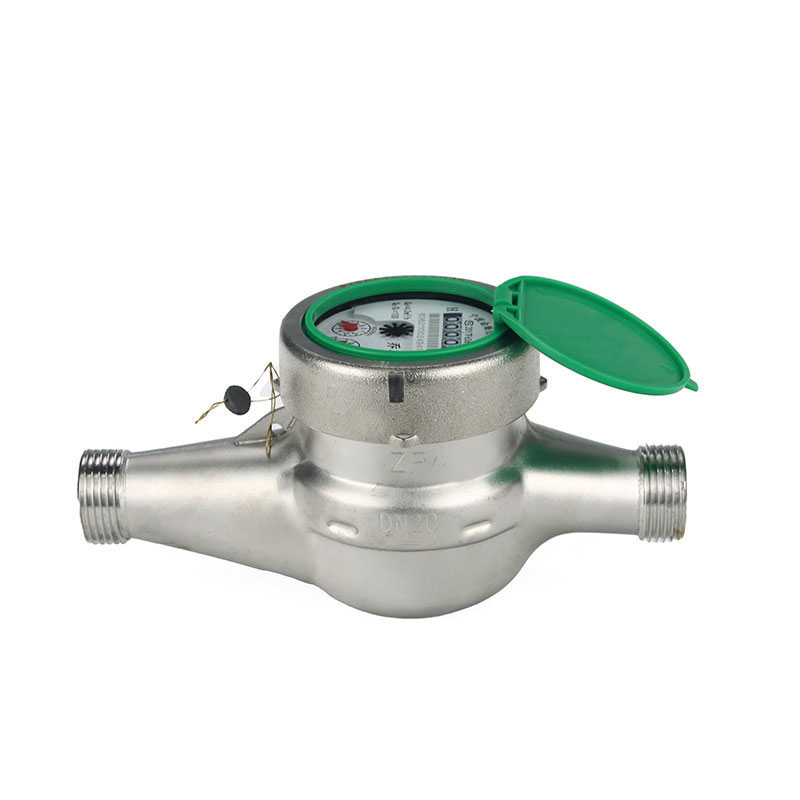
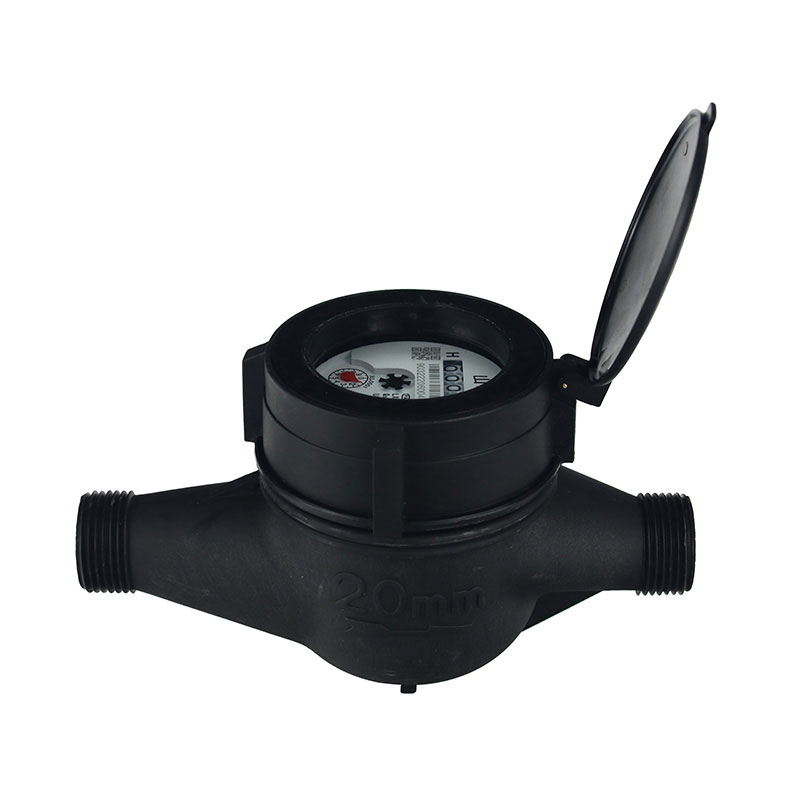
Before we dive into the details of calculating your water bill, let's start by understanding the water meter. A water meter is a device installed by your water utility company to measure the volume of water that flows into your property. It typically consists of a round, metal or plastic casing with a display or dial that records water usage in cubic feet or gallons.
Before we dive into the details of calculating your water bill, let's start by understanding the water meter. A water meter is a device installed by your water utility company to measure the volume of water that flows into your property. It typically consists of a round, metal or plastic casing with a display or dial that records water usage in cubic feet or gallons.
The water meter is usually located in a utility box in your yard or basement. It's essential to know where your water meter is, as you may need to access it to read the meter periodically or in case of any issues with your water bill.
2. Reading the Water Meter
To calculate your water bill accurately, you need to read your water meter regularly. Most water meters have a series of numbers or dials that represent your water usage. Reading your water meter is a straightforward process:
To calculate your water bill accurately, you need to read your water meter regularly. Most water meters have a series of numbers or dials that represent your water usage. Reading your water meter is a straightforward process:
a. Locate the water meter: As mentioned earlier, your water meter is typically found in a utility box on your property.
b. Open the meter cover: Gently lift the cover of the meter box to access the water meter. Be careful not to damage the meter or its components.
c. Read the numbers or dials: Examine the numbers or dials on the meter. There may be several rows of numbers or dials, but the ones you need to focus on are the primary ones, which often represent gallons or cubic feet. Take note of the numbers from left to right.
d. Record the reading: Write down the numbers exactly as they appear. If the numbers on the meter are in cubic feet, you may need to convert them to gallons for billing purposes.
e. Close the meter cover: After recording the reading, securely close the meter cover to protect the meter from damage or tampering.
3. Converting Cubic Feet to Gallons
In some regions, water usage is measured in cubic feet, while in others, it's measured in gallons. To ensure you understand your water usage correctly and calculate your bill accurately, you may need to convert between these two units.
In some regions, water usage is measured in cubic feet, while in others, it's measured in gallons. To ensure you understand your water usage correctly and calculate your bill accurately, you may need to convert between these two units.
1 cubic foot of water is approximately equal to 7.48 gallons. To convert from cubic feet to gallons, simply multiply the number of cubic feet by 7.48.
For example, if your meter reading shows 100 cubic feet, the equivalent in gallons would be:
100 cubic feet x 7.48 gallons/cubic foot = 748 gallons
4. Understanding the Billing Period
Water billing periods can vary depending on your location and water utility company. It's crucial to be aware of your billing cycle to calculate your water bill correctly. Billing periods can range from monthly to quarterly, semi-annually, or annually.
Water billing periods can vary depending on your location and water utility company. It's crucial to be aware of your billing cycle to calculate your water bill correctly. Billing periods can range from monthly to quarterly, semi-annually, or annually.
Most water bills cover a specific period during which your water usage is measured. To calculate your water bill for that period, you'll need two key pieces of information:
a. The beginning meter reading: This is the meter reading at the start of the billing period.
b. The ending meter reading: This is the meter reading at the end of the billing period.
5. Calculating Water Usage
To determine your water usage for the billing period, subtract the beginning meter reading from the ending meter reading. The formula for calculating water usage is:
To determine your water usage for the billing period, subtract the beginning meter reading from the ending meter reading. The formula for calculating water usage is:
Water Usage (in gallons) = Ending Meter Reading - Beginning Meter Reading
For example, if your beginning meter reading was 500 gallons, and the ending meter reading was 800 gallons, your water usage for the billing period would be:
Water Usage (in gallons) = 800 gallons - 500 gallons = 300 gallons
Now that you know your water usage, you're ready to calculate your water bill.
6. Determining the Rate
Water utility companies charge customers based on their water usage, and the rate they apply can vary widely depending on your location, the type of water service you have (e.g., residential or commercial), and other factors. Rates are usually expressed in dollars per unit of water, such as dollars per gallon or dollars per cubic foot.
Water utility companies charge customers based on their water usage, and the rate they apply can vary widely depending on your location, the type of water service you have (e.g., residential or commercial), and other factors. Rates are usually expressed in dollars per unit of water, such as dollars per gallon or dollars per cubic foot.
To find the rate for your water service, you can typically check your water bill or contact your water utility company directly. The rate may be listed as a fixed rate, a tiered rate (where the price per unit of water increases as usage goes up), or a combination of both.
7. Calculating the Water Bill
Now that you have your water usage and the applicable rate, you can calculate your water bill for the billing period. The formula for calculating your water bill is:
Now that you have your water usage and the applicable rate, you can calculate your water bill for the billing period. The formula for calculating your water bill is:
Water Bill (in dollars) = Water Usage (in gallons) x Rate (in dollars per gallon)
For example, let's say your water usage for the billing period is 300 gallons, and the rate is $0.02 per gallon:
Water Bill (in dollars) = 300 gallons x $0.02/gallon = $6.00
So, your water bill for that period would be $6.00.
8. Additional Charges and Fees
In addition to the basic water rate, your water bill may include other charges and fees imposed by your water utility company or local government. These charges can vary widely but may include:
In addition to the basic water rate, your water bill may include other charges and fees imposed by your water utility company or local government. These charges can vary widely but may include:
a. Service fees: Some water utility companies charge a monthly or quarterly service fee to cover the cost of meter reading, maintenance, and administrative expenses.
b. Infrastructure fees: Some bills include fees to fund maintenance and improvements to the water distribution infrastructure.
c. Sewer charges: If your water usage is connected to a sewer system, you may be billed for both water and sewer services. These charges can be based on your water usage or a fixed fee.
d. Late payment fees: If you fail to pay your water bill on time, you may incur late payment fees or interest charges.
e. Other fees: Depending on your location, there may be other fees, such as water conservation fees or fees related to water quality testing.
It's essential to carefully review your water bill to understand all the charges and fees included. If you have questions about any of the charges, don't hesitate to contact your water utility company for clarification.
9. Monitoring and Managing Your Water Usage
Understanding how to calculate your water bill is just the beginning. To effectively manage your water consumption and reduce your water bill, consider the following tips:
Understanding how to calculate your water bill is just the beginning. To effectively manage your water consumption and reduce your water bill, consider the following tips:
a. Fix leaks promptly: Even small leaks in faucets, toilets, or pipes can result in significant water wastage and higher bills. Address leaks as soon as you notice them.
b. Install water-saving fixtures: Consider installing low-flow showerheads, faucets, and toilets to reduce water usage without sacrificing comfort.
c. Be mindful of outdoor water use: Irrigate your lawn and garden during the cooler parts of the day to minimize water evaporation, and use a rain barrel to collect rainwater for outdoor use.
d. Upgrade appliances: When replacing appliances like washing machines or dishwashers, choose models that are more water-efficient.
e. Educate yourself: Stay informed about local water conservation initiatives and rebates that may be available to you for water-saving upgrades.
f. Practice water conservation: Simple habits like turning off the tap while brushing your teeth, fixing dripping faucets, and running full loads in the dishwasher can add up to significant water savings.
10. Conclusion
In conclusion, understanding how to calculate your water bill from meter reading is essential for responsible homeowners and tenants. By familiarizing yourself with your water meter, reading it correctly, and using the information to calculate your water usage, you can take control of your water consumption and budget effectively.
In conclusion, understanding how to calculate your water bill from meter reading is essential for responsible homeowners and tenants. By familiarizing yourself with your water meter, reading it correctly, and using the information to calculate your water usage, you can take control of your water consumption and budget effectively.
Remember that water rates and billing practices can vary, so it's crucial to consult your water utility company for specific details regarding rates, billing periods, and any additional charges or fees that may apply to your account. Additionally, adopting water-saving practices and being mindful of your water usage can lead to both environmental benefits and financial savings.
By following the steps outlined in this comprehensive guide and staying proactive in managing your water consumption, you'll be well-equipped to monitor your water bill accurately and make informed decisions to reduce your water usage and expenses. Water is a precious resource, and responsible usage benefits not only your wallet but also the planet.
If you still have questions or if you need more information of water meters, you can contact us freely. Our website is https://www.kinmeter.com and mail is yueray@kinhil.com ,Kinhil is dedicated to providing high quality water meters and good service to our customers and friends!
 Water Flow Meter Drives Smart Water Management Upgrade
  Old water meter replacement campaign launched: Solving metering challenges, benefiting millions of residents
  Smart Water Meters: The Digital Pulse of Urban Water Management
  Say Goodbye to Overdue Bills – Start with a Prepaid Water Meter
  The Ultimate 2025 Guide to Water Meter Reading Worksheets
  Vertical vs. Horizontal Water Meters: A Comprehensive Analysis
  Wireless Water Meters: A Revolution in Water Management
  Compound Water Meters: A Comprehensive Guide
  How to Properly Size a Water Meter
  Protecting Your Water Meter from Winter's Chill
 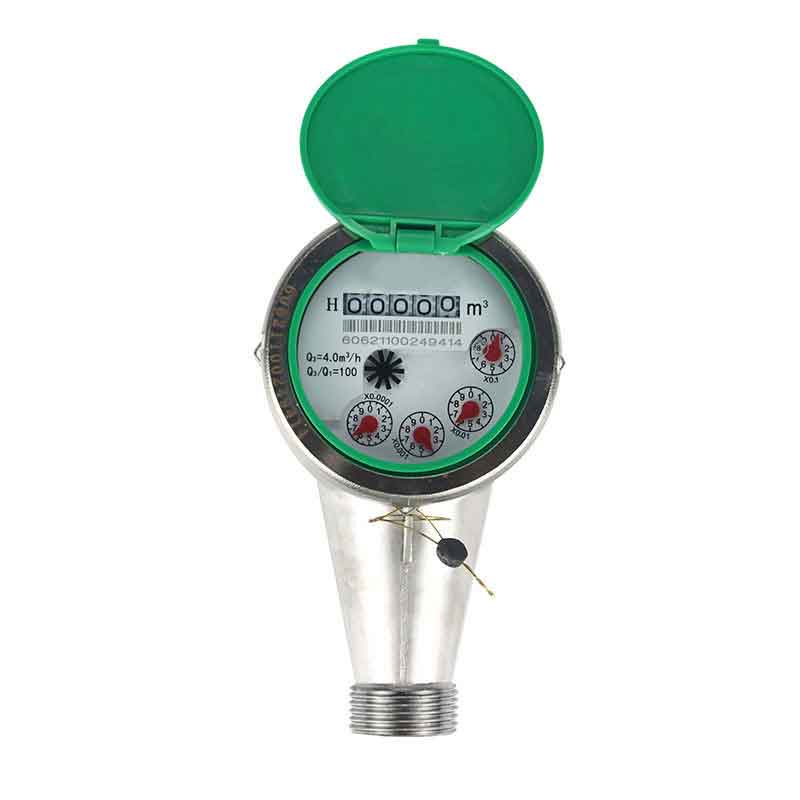 Revolutionizing Water Management: The Multi Jet Dry Type Intelligent Iron Water Meter
  Removable Woltman Water Meters: A Closer Look
 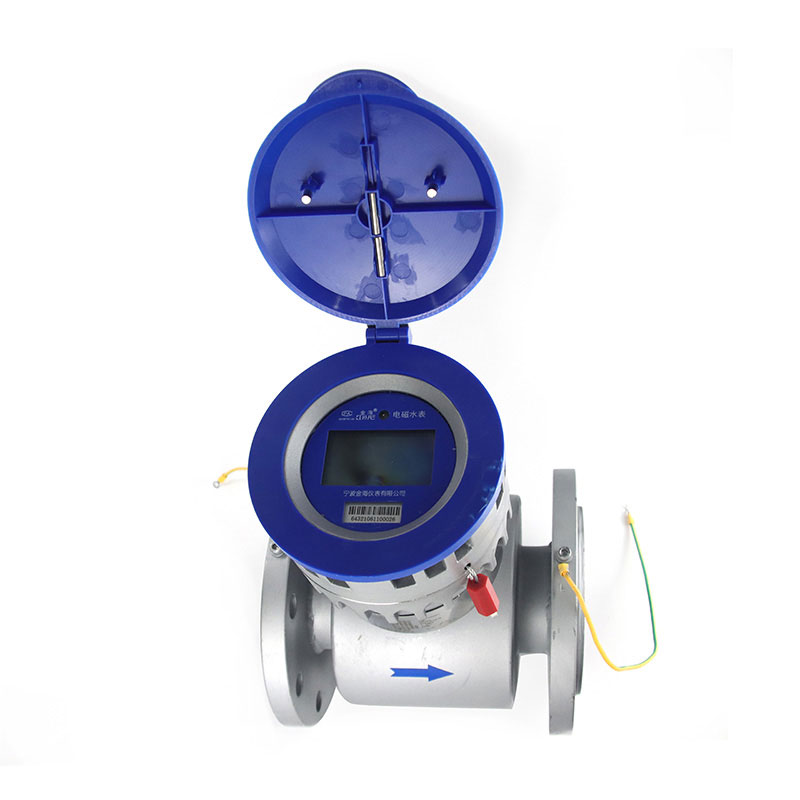 Understanding Electromagnetic Meters: Precision Tools for Accurate Water Measurement
 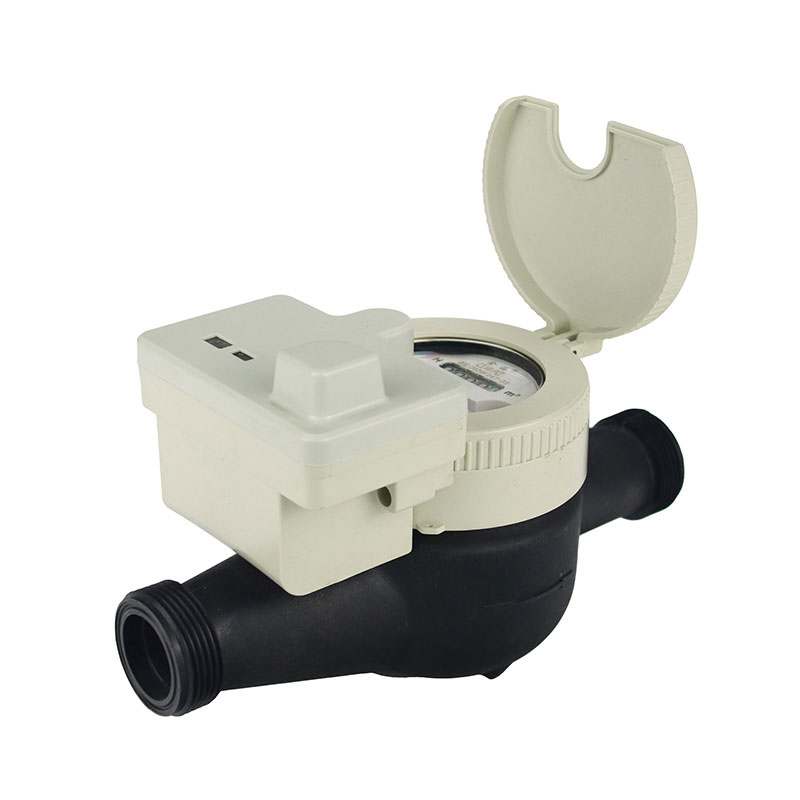 Valve Controlled Remote Intelligent Water Meters: A Revolution in Water Management
 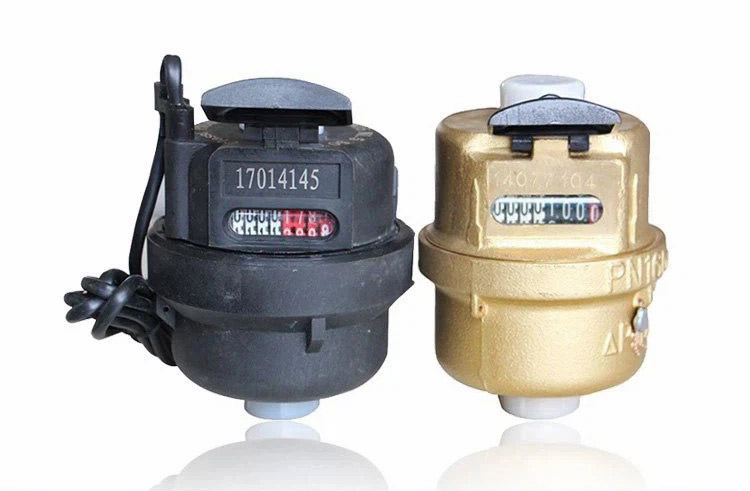 The Inner Workings: Exploring Materials in Water Meter Bodies
  Your Water Bill: The Story Told by Your Water Meter Data
  The Silent Leak: Detecting Water Meter Issues for Efficient Water Management
  The Split-Case Advantage: Understanding Split-Case Water Meter Bodies
  The Indispensable Filter: Understanding Water Meter Strainers
  Wet vs. Dry Water Meters: A Comprehensive Guide to Understanding the Differences