
Revolutionizing Water Meter Reading
2023-07-07
Residential Water Meter | Single Jet Water Meter | Multi Jet Water Meter | Volumetric Rotary Piston Water Meter | Ultrasonic Water Meter | Ultrasonic Heat Meter
Woltman Water Meter | Smart Water Meters | Direct Read Water Meter | Electromagnetic Water Meter | Multi Jet Wet Type Liquid Sealed Intelligent Water Meter
Woltman Water Meter | Smart Water Meters | Direct Read Water Meter | Electromagnetic Water Meter | Multi Jet Wet Type Liquid Sealed Intelligent Water Meter
Water meter reading is an essential component of managing water resources effectively and ensuring fair billing for consumers. Traditionally, water meter reading involved manual processes that were labor-intensive, time-consuming, and prone to errors. However, with technological advancements, the landscape of water meter reading has undergone a transformative shift. In this article, we will delve into the latest innovations in water meter reading, exploring cutting-edge technologies and their potential to revolutionize the industry.
Here is the content list:
- The Inefficiencies of Traditional Water Meter Reading
- Automated Meter Reading (AMR): An Evolutionary Leap
- Advanced Metering Infrastructure (AMI): The Next Frontier
- Smart Meters: Enabling Data-Driven Decisions
- Internet of Things (IoT) and Artificial Intelligence (AI): Transforming Water Management
- Benefits for Consumers and Utilities
- Privacy and Security Considerations
- The Path Ahead: Challenges and Opportunities
- Case Studies: Successful Implementations
1. The Inefficiencies of Traditional Water Meter Reading
In the past, water meter reading relied heavily on manual methods, requiring meter readers to physically visit each location, record readings, and transmit the data to the billing department. This process often led to delays, human errors, and increased operational costs for water utilities. Additionally, accessing hard-to-reach meters, such as those located in basements or remote areas, posed further challenges.
In the past, water meter reading relied heavily on manual methods, requiring meter readers to physically visit each location, record readings, and transmit the data to the billing department. This process often led to delays, human errors, and increased operational costs for water utilities. Additionally, accessing hard-to-reach meters, such as those located in basements or remote areas, posed further challenges.
2. Automated Meter Reading (AMR): An Evolutionary Leap
The advent of Automated Meter Reading (AMR) technology has revolutionized the water industry by automating the meter reading process. AMR systems utilize various technologies, such as radio frequency, cellular networks, and powerline communication, to collect consumption data remotely. With this technology, water utilities can eliminate the need for manual readings, significantly reducing costs and improving accuracy.
The advent of Automated Meter Reading (AMR) technology has revolutionized the water industry by automating the meter reading process. AMR systems utilize various technologies, such as radio frequency, cellular networks, and powerline communication, to collect consumption data remotely. With this technology, water utilities can eliminate the need for manual readings, significantly reducing costs and improving accuracy.
3. Advanced Metering Infrastructure (AMI): The Next Frontier
While AMR systems offer substantial improvements over manual methods, Advanced Metering Infrastructure (AMI) takes water meter reading to the next level. AMI systems incorporate two-way communication capabilities, enabling real-time data exchange between the meter and the utility. This technology allows utilities to monitor consumption patterns, detect leaks, and remotely control water supply, all while improving customer service.
While AMR systems offer substantial improvements over manual methods, Advanced Metering Infrastructure (AMI) takes water meter reading to the next level. AMI systems incorporate two-way communication capabilities, enabling real-time data exchange between the meter and the utility. This technology allows utilities to monitor consumption patterns, detect leaks, and remotely control water supply, all while improving customer service.
4. Smart Meters: Enabling Data-Driven Decisions
At the heart of AMI systems are smart meters, which are replacing traditional mechanical meters at an accelerating pace. Smart meters provide granular insights into water consumption, offering both utilities and consumers valuable information to optimize water usage. These meters can transmit data at regular intervals, enabling near real-time monitoring and analysis. By identifying patterns and trends, water utilities can proactively manage resources and implement conservation strategies.
At the heart of AMI systems are smart meters, which are replacing traditional mechanical meters at an accelerating pace. Smart meters provide granular insights into water consumption, offering both utilities and consumers valuable information to optimize water usage. These meters can transmit data at regular intervals, enabling near real-time monitoring and analysis. By identifying patterns and trends, water utilities can proactively manage resources and implement conservation strategies.
5. Internet of Things (IoT) and Artificial Intelligence (AI): Transforming Water Management
The integration of IoT and AI technologies with water meter reading has the potential to revolutionize water management on a larger scale. IoT sensors can be deployed throughout the water distribution network, collecting real-time data on parameters such as pressure, flow rates, and water quality. AI algorithms can then analyze this data to detect anomalies, predict demand, and optimize water distribution systems. Such predictive capabilities empower utilities to make informed decisions, reduce water losses, and enhance system efficiency.
The integration of IoT and AI technologies with water meter reading has the potential to revolutionize water management on a larger scale. IoT sensors can be deployed throughout the water distribution network, collecting real-time data on parameters such as pressure, flow rates, and water quality. AI algorithms can then analyze this data to detect anomalies, predict demand, and optimize water distribution systems. Such predictive capabilities empower utilities to make informed decisions, reduce water losses, and enhance system efficiency.
6. Benefits for Consumers and Utilities
The advancements in water meter reading technology yield numerous benefits for both consumers and utilities. For consumers, smart meters provide real-time insights into their water usage, promoting awareness and encouraging conservation. With accurate billing based on actual consumption, consumers can have more confidence in their water bills. Additionally, early leak detection and alerts from AMI systems can prevent costly water damage within households.
The advancements in water meter reading technology yield numerous benefits for both consumers and utilities. For consumers, smart meters provide real-time insights into their water usage, promoting awareness and encouraging conservation. With accurate billing based on actual consumption, consumers can have more confidence in their water bills. Additionally, early leak detection and alerts from AMI systems can prevent costly water damage within households.
For utilities, the efficiency gains are significant. The elimination of manual reading processes reduces labor costs, streamlines operations, and minimizes billing disputes. By leveraging the power of data analytics, utilities can optimize resource allocation, detect and mitigate leaks, and even manage demand during peak periods. Ultimately, these advancements contribute to sustainability efforts by conserving water and reducing carbon footprints.
7. Privacy and Security Considerations
With the increasing prevalence of data collection and transmission in water meter reading, privacy and security concerns come to the forefront. It is crucial for water utilities and technology providers to prioritize data protection, encryption, and secure communication protocols. Strict privacy policies should be in place to safeguard consumer information and ensure compliance with relevant data protection regulations.
With the increasing prevalence of data collection and transmission in water meter reading, privacy and security concerns come to the forefront. It is crucial for water utilities and technology providers to prioritize data protection, encryption, and secure communication protocols. Strict privacy policies should be in place to safeguard consumer information and ensure compliance with relevant data protection regulations.
8. The Path Ahead: Challenges and Opportunities
While the evolution of water meter reading technology presents immense opportunities, certain challenges must be addressed. The cost of deploying new infrastructure, such as smart meters and AMI systems, can be a barrier for some utilities. Moreover, the compatibility of different systems and the standardization of data formats pose integration challenges. However, as technology continues to advance and costs decrease, these barriers are gradually being overcome.
While the evolution of water meter reading technology presents immense opportunities, certain challenges must be addressed. The cost of deploying new infrastructure, such as smart meters and AMI systems, can be a barrier for some utilities. Moreover, the compatibility of different systems and the standardization of data formats pose integration challenges. However, as technology continues to advance and costs decrease, these barriers are gradually being overcome.
9. Case Studies: Successful Implementations
Several water utilities around the world have already embraced advanced water meter reading technologies with remarkable results. Case studies from cities like Barcelona, Singapore, and San Francisco demonstrate the positive impact of smart metering and AMI systems on water management. These success stories serve as inspiration and provide valuable insights into the implementation process.
Several water utilities around the world have already embraced advanced water meter reading technologies with remarkable results. Case studies from cities like Barcelona, Singapore, and San Francisco demonstrate the positive impact of smart metering and AMI systems on water management. These success stories serve as inspiration and provide valuable insights into the implementation process.
Water meter reading has evolved significantly, moving from manual processes to automated systems driven by advanced technologies. The convergence of AMR, AMI, IoT, and AI has unleashed new possibilities for managing water resources efficiently and sustainably. As we move forward, it is essential for water utilities, technology providers, and regulators to collaborate in harnessing the power of these technologies to ensure a resilient and water-secure future.
If you still have questions or if you need more information of water meters, you can contact us freely. Our website is https://www.kinmeter.com and mail is yueray@kinhil.com ,Kinhil is dedicated to providing high quality water meters and good service to our customers and friends!
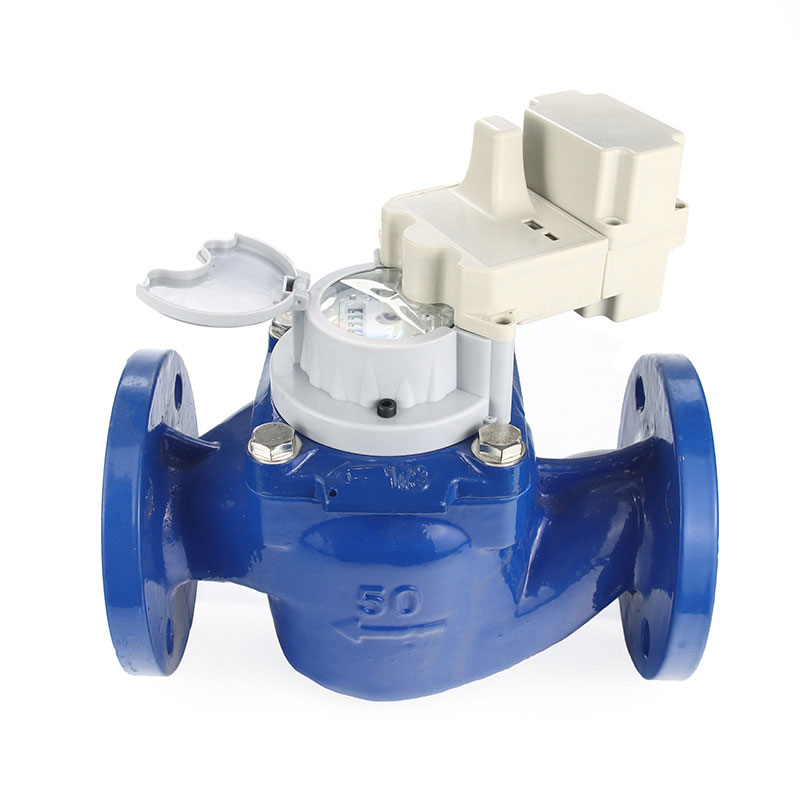 Water Flow Meter Drives Smart Water Management Upgrade
 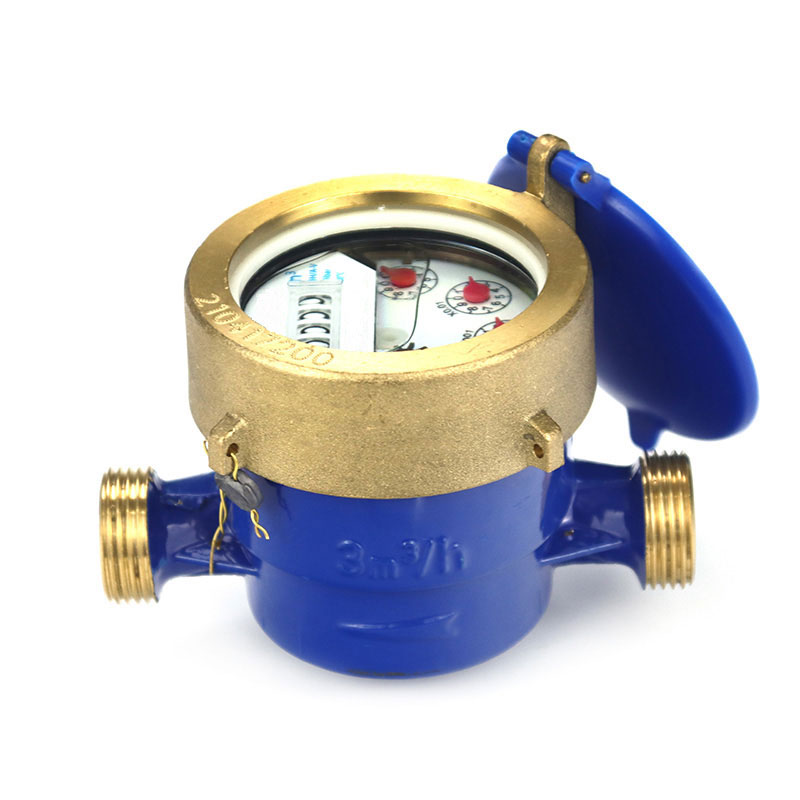 Old water meter replacement campaign launched: Solving metering challenges, benefiting millions of residents
 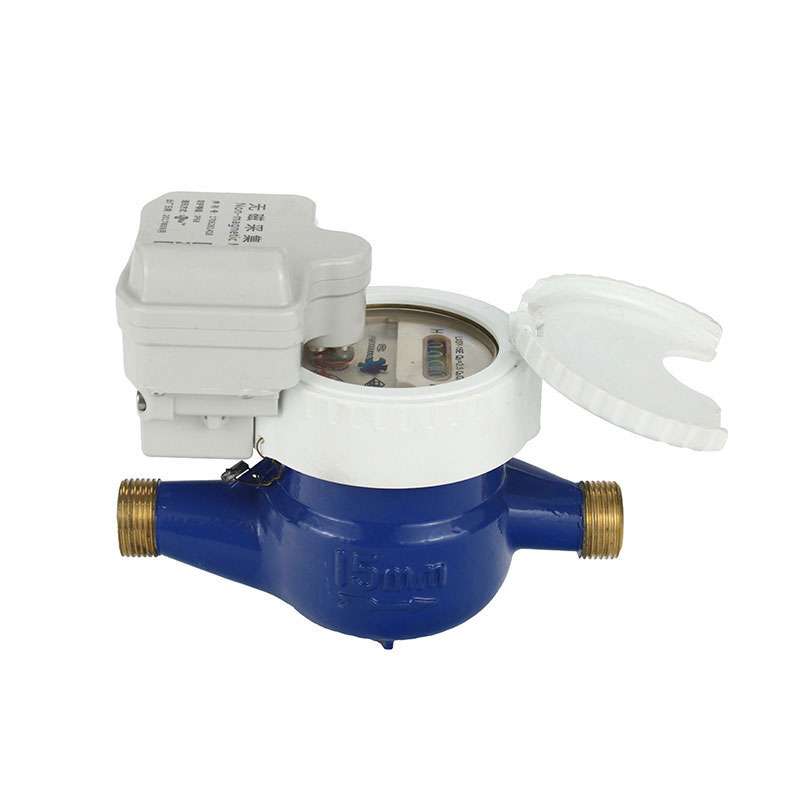 Smart Water Meters: The Digital Pulse of Urban Water Management
 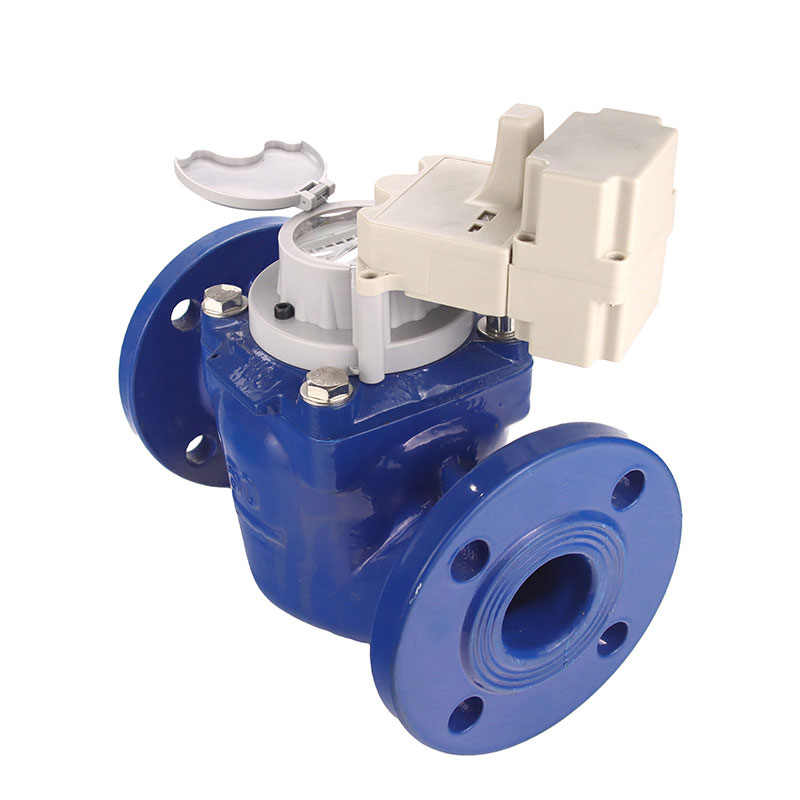 Say Goodbye to Overdue Bills – Start with a Prepaid Water Meter
  The Ultimate 2025 Guide to Water Meter Reading Worksheets
 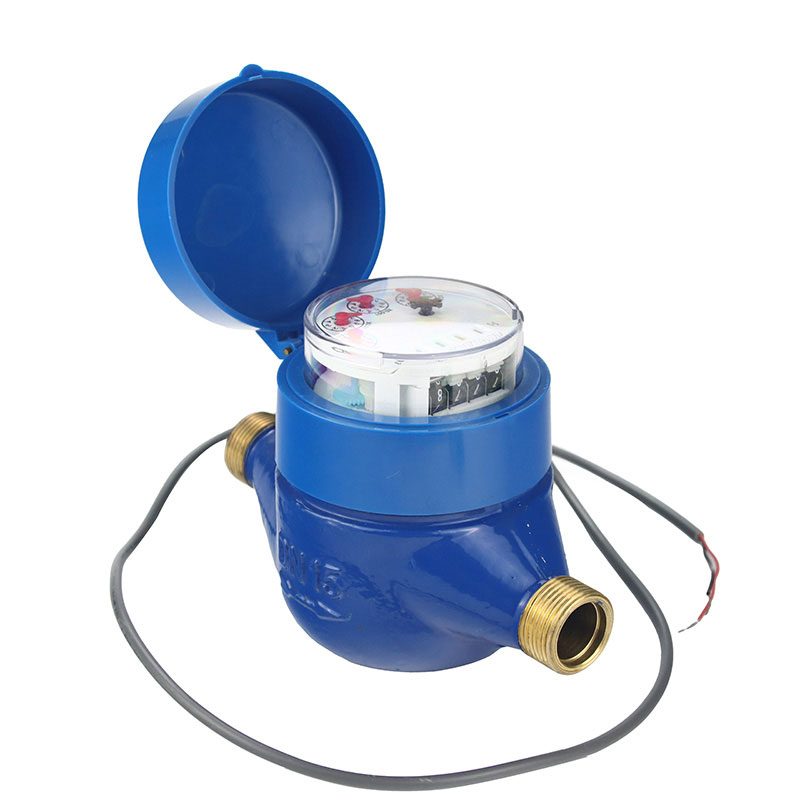 Vertical vs. Horizontal Water Meters: A Comprehensive Analysis
 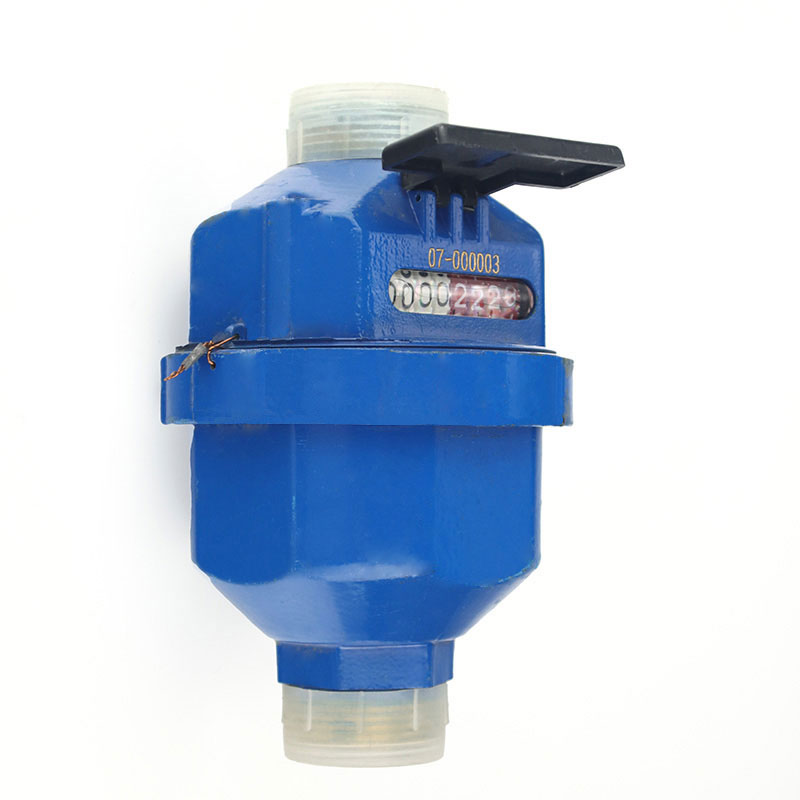 Wireless Water Meters: A Revolution in Water Management
  Compound Water Meters: A Comprehensive Guide
 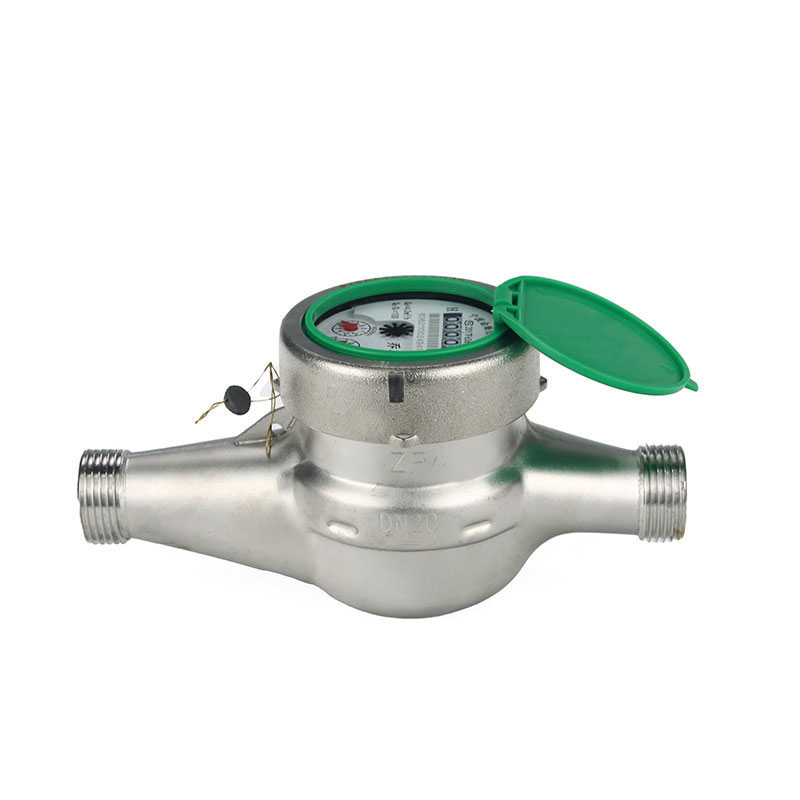 How to Properly Size a Water Meter
 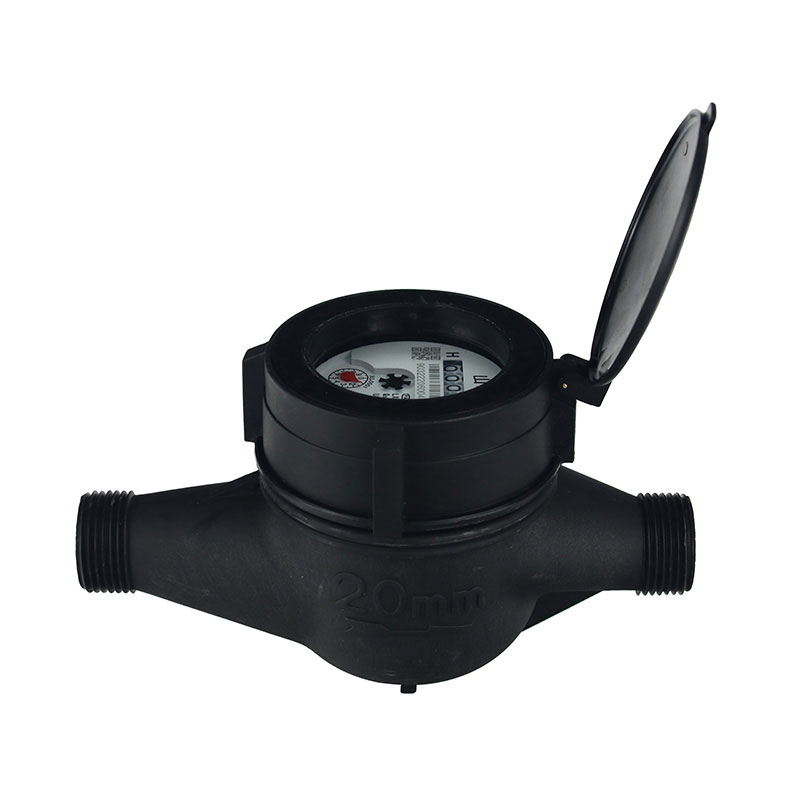 Protecting Your Water Meter from Winter's Chill
 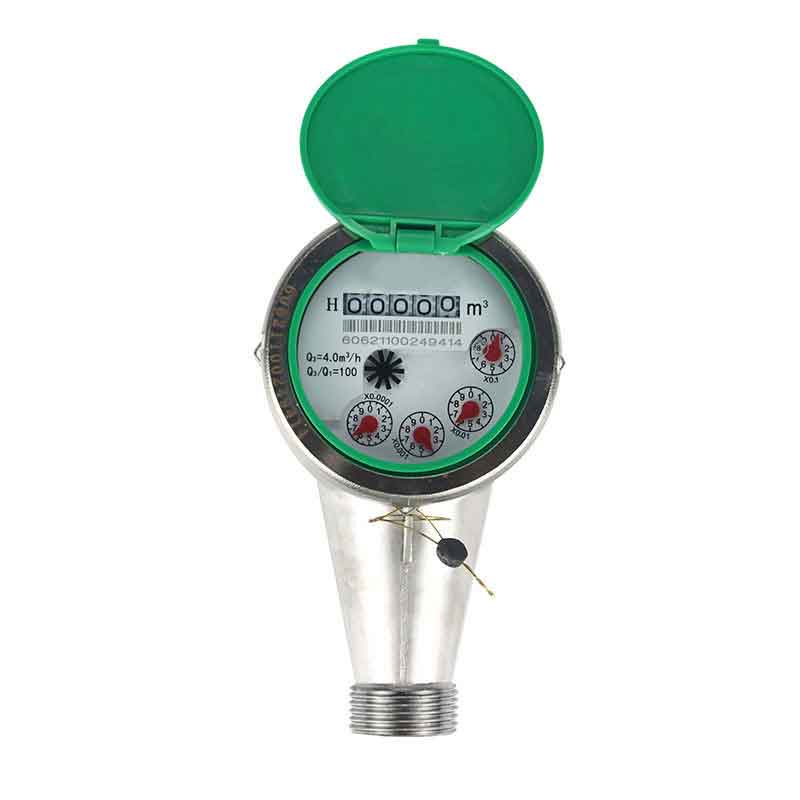 Revolutionizing Water Management: The Multi Jet Dry Type Intelligent Iron Water Meter
  Removable Woltman Water Meters: A Closer Look
 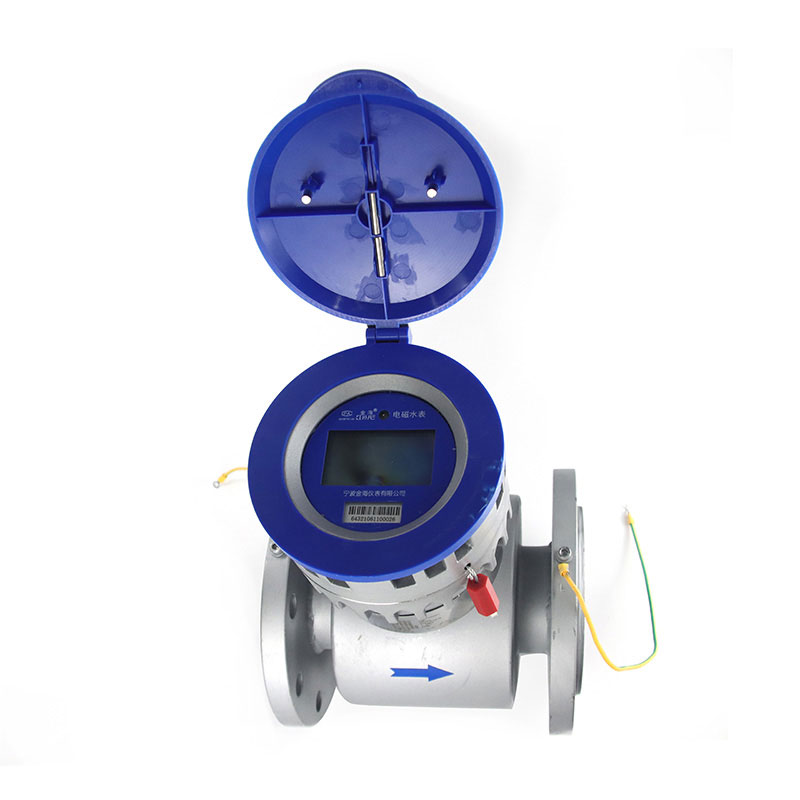 Understanding Electromagnetic Meters: Precision Tools for Accurate Water Measurement
 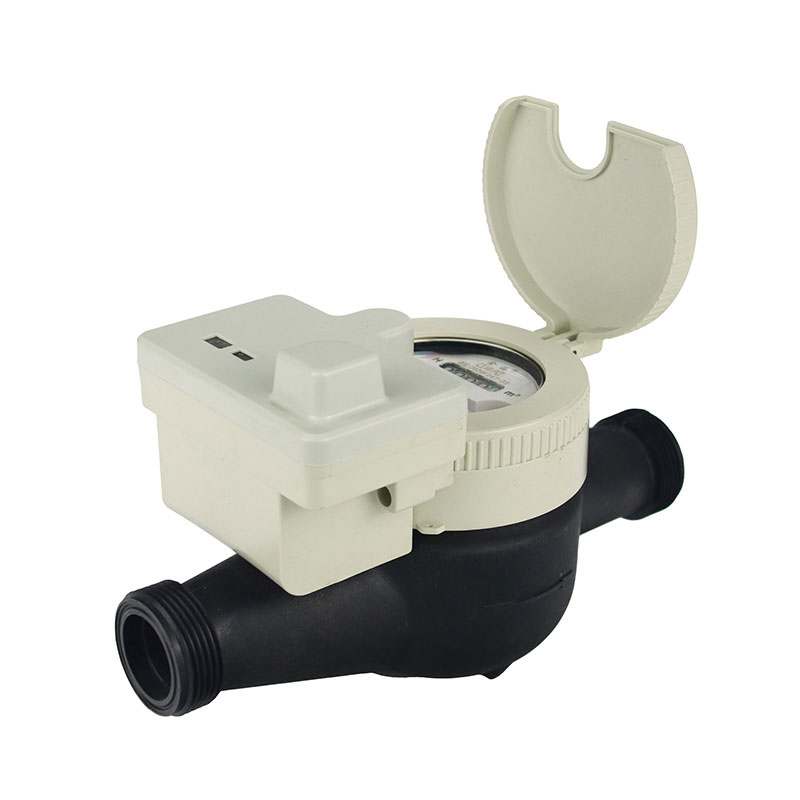 Valve Controlled Remote Intelligent Water Meters: A Revolution in Water Management
 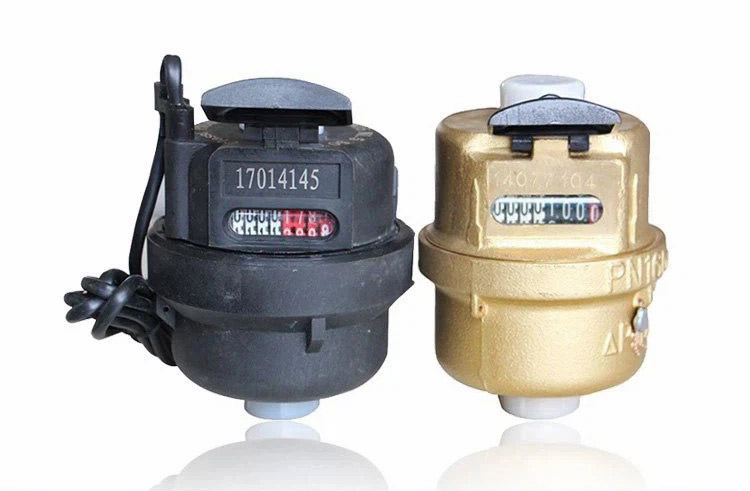 The Inner Workings: Exploring Materials in Water Meter Bodies
  Your Water Bill: The Story Told by Your Water Meter Data
  The Silent Leak: Detecting Water Meter Issues for Efficient Water Management
  The Split-Case Advantage: Understanding Split-Case Water Meter Bodies
  The Indispensable Filter: Understanding Water Meter Strainers
  Wet vs. Dry Water Meters: A Comprehensive Guide to Understanding the Differences