
The Importance of Water Meter Replacement
2023-06-27
Residential Water Meter | Single Jet Water Meter | Multi Jet Water Meter | Volumetric Rotary Piston Water Meter | Ultrasonic Water Meter | Ultrasonic Heat Meter
Woltman Water Meter | Smart Water Meters | Direct Read Water Meter | Electromagnetic Water Meter | Multi Jet Wet Type Liquid Sealed Intelligent Water Meter
Woltman Water Meter | Smart Water Meters | Direct Read Water Meter | Electromagnetic Water Meter | Multi Jet Wet Type Liquid Sealed Intelligent Water Meter
Water is a precious resource that is essential for life, and managing its consumption is crucial in today's world. One of the key components in monitoring water usage and ensuring fair billing is the water meter. Over time, these meters can become outdated or inaccurate, leading to inefficiencies and potential financial losses for both consumers and water utility companies. In this article, we delve into the significance of water meter replacement and explore the reasons why it is vital for maintaining efficiency, accuracy, and sustainability in water management.
Here is the content list:
- Understanding Water Meters and their Function
- The Lifespan of Water Meters
- The Consequences of Outdated or Inaccurate Water Meters
- Advancements in Water Meter Technology
- Environmental Impact and Sustainability
- Economic Benefits
- Consumer Empowerment and Education
- Ensuring Effective Water Meter Replacement Programs
1. Understanding Water Meters and their Function:
Water meters are devices installed in residential, commercial, and industrial properties to measure the amount of water consumed. These meters play a fundamental role in monitoring usage, enabling accurate billing, and promoting responsible water consumption. Traditional water meters operate on mechanical principles, using dials or wheels to measure water flow. However, advancements in technology have introduced digital or smart meters that provide real-time data and offer additional benefits such as leak detection and remote monitoring.
Water meters are devices installed in residential, commercial, and industrial properties to measure the amount of water consumed. These meters play a fundamental role in monitoring usage, enabling accurate billing, and promoting responsible water consumption. Traditional water meters operate on mechanical principles, using dials or wheels to measure water flow. However, advancements in technology have introduced digital or smart meters that provide real-time data and offer additional benefits such as leak detection and remote monitoring.
2. The Lifespan of Water Meters:
Water meters, like any mechanical or electronic device, have a finite lifespan. The average lifespan of a water meter can vary depending on several factors, including the quality of the meter, the type of water being measured, and the maintenance practices employed. However, most water utility companies recommend replacing meters every 10 to 15 years to ensure accurate measurements and maintain efficient water management.
Water meters, like any mechanical or electronic device, have a finite lifespan. The average lifespan of a water meter can vary depending on several factors, including the quality of the meter, the type of water being measured, and the maintenance practices employed. However, most water utility companies recommend replacing meters every 10 to 15 years to ensure accurate measurements and maintain efficient water management.
3. The Consequences of Outdated or Inaccurate Water Meters:
3.1 Inaccurate Billing:
Outdated or faulty water meters can lead to inaccurate measurements, resulting in overbilling or underbilling of water consumption. This can cause financial burdens for consumers and revenue losses for utility companies. Inaccurate billing also undermines trust between consumers and providers, potentially leading to disputes and strained relationships.
3.2 Water Loss and Conservation:
Water leaks are a significant concern for both consumers and utility companies. Outdated meters may fail to detect or accurately measure small leaks, leading to water loss that goes unnoticed until it causes substantial damage. By replacing aging meters with newer models that offer leak detection features, early identification and prompt repairs can be facilitated, preventing wasted water and reducing costs associated with repairs.
4. Advancements in Water Meter Technology:
In recent years, technological advancements have revolutionized water metering. Smart water meters, equipped with sensors and communication capabilities, are now being widely adopted. These meters provide real-time data, enabling consumers to monitor their water usage and make informed decisions about conservation. Utility companies can also benefit from smart meters by detecting leaks remotely, optimizing resource allocation, and improving overall operational efficiency.
In recent years, technological advancements have revolutionized water metering. Smart water meters, equipped with sensors and communication capabilities, are now being widely adopted. These meters provide real-time data, enabling consumers to monitor their water usage and make informed decisions about conservation. Utility companies can also benefit from smart meters by detecting leaks remotely, optimizing resource allocation, and improving overall operational efficiency.
5. Environmental Impact and Sustainability:
Sustainable water management is crucial for preserving this invaluable resource for future generations. Outdated water meters can contribute to excessive water consumption, hindering efforts to achieve sustainable development goals. By replacing older meters with advanced models, water conservation can be promoted, leading to reduced water waste, lower energy consumption, and a smaller carbon footprint.
Sustainable water management is crucial for preserving this invaluable resource for future generations. Outdated water meters can contribute to excessive water consumption, hindering efforts to achieve sustainable development goals. By replacing older meters with advanced models, water conservation can be promoted, leading to reduced water waste, lower energy consumption, and a smaller carbon footprint.
6. Economic Benefits:
Though the upfront cost of replacing water meters may seem significant, the long-term economic benefits outweigh the initial investment. Accurate billing ensures that consumers pay only for the water they consume, eliminating financial discrepancies and enhancing trust. Moreover, the data collected by modern meters allows utility companies to identify patterns, optimize infrastructure investments, and better allocate resources.
Though the upfront cost of replacing water meters may seem significant, the long-term economic benefits outweigh the initial investment. Accurate billing ensures that consumers pay only for the water they consume, eliminating financial discrepancies and enhancing trust. Moreover, the data collected by modern meters allows utility companies to identify patterns, optimize infrastructure investments, and better allocate resources.
7. Consumer Empowerment and Education:
Water meter replacement provides an opportunity for consumer empowerment and education. With the installation of smart meters, consumers gain access to real-time data, enabling them to make informed decisions about their water usage. This newfound knowledge empowers individuals to adopt water-saving practices, modify their behavior, and actively contribute to water conservation efforts.
Water meter replacement provides an opportunity for consumer empowerment and education. With the installation of smart meters, consumers gain access to real-time data, enabling them to make informed decisions about their water usage. This newfound knowledge empowers individuals to adopt water-saving practices, modify their behavior, and actively contribute to water conservation efforts.
8. Ensuring Effective Water Meter Replacement Programs:
To ensure the success of water meter replacement programs, collaboration between water utility companies, regulatory authorities, and consumers is vital. Transparent communication, public awareness campaigns, and clear guidelines regarding meter installation, maintenance, and calibration must be established. Furthermore, financial assistance programs or incentives can be introduced to support consumers during the transition to new water meters.
To ensure the success of water meter replacement programs, collaboration between water utility companies, regulatory authorities, and consumers is vital. Transparent communication, public awareness campaigns, and clear guidelines regarding meter installation, maintenance, and calibration must be established. Furthermore, financial assistance programs or incentives can be introduced to support consumers during the transition to new water meters.
Water meter replacement is a critical step towards achieving efficient, accurate, and sustainable water management. Outdated or faulty water meters can lead to inaccurate billing, water loss, and hinder conservation efforts. By embracing new technologies, such as smart water meters, we can empower consumers, optimize resource allocation, and promote responsible water usage. The benefits of water meter replacement extend beyond financial gains, contributing to environmental preservation and ensuring the availability of this vital resource for generations to come.
If you still have questions or if you need more information of water meters, you can contact us freely. Our website is https://www.kinmeter.com and mail is yueray@kinhil.com ,Kinhil is dedicated to providing high quality water meters and good service to our customers and friends!
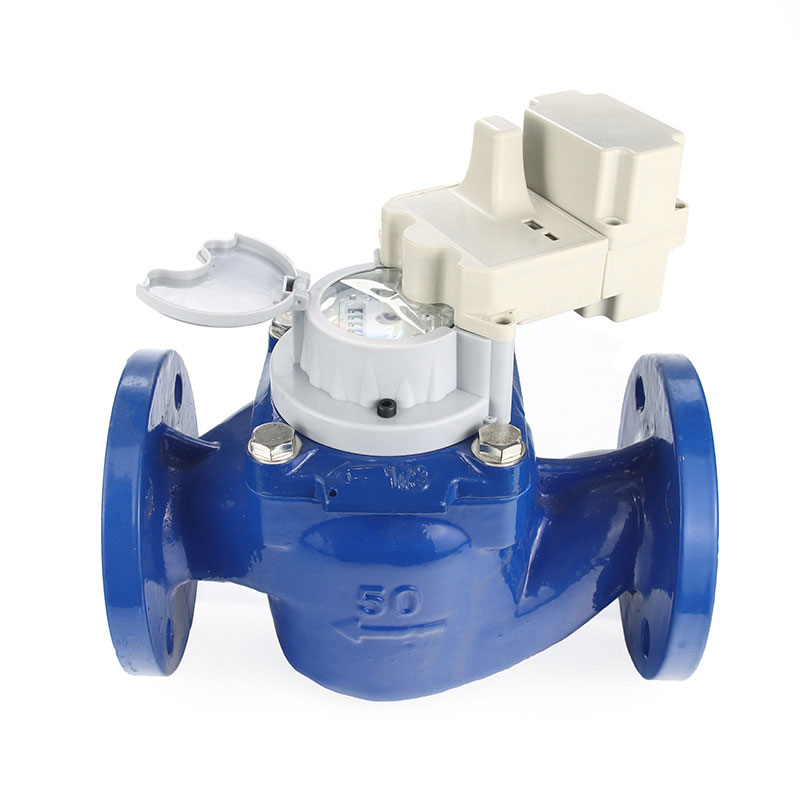 Water Flow Meter Drives Smart Water Management Upgrade
 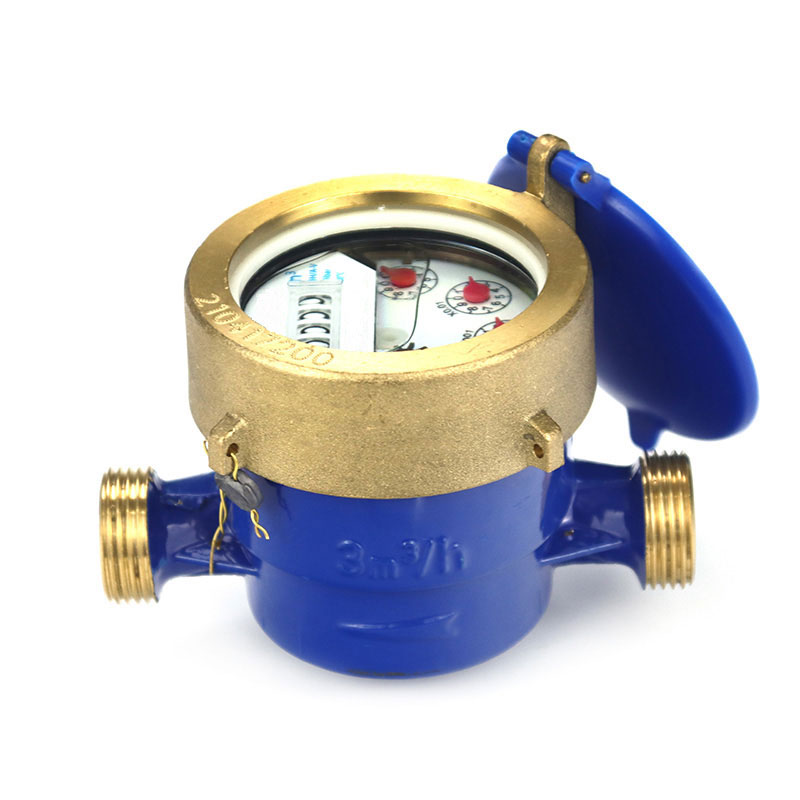 Old water meter replacement campaign launched: Solving metering challenges, benefiting millions of residents
 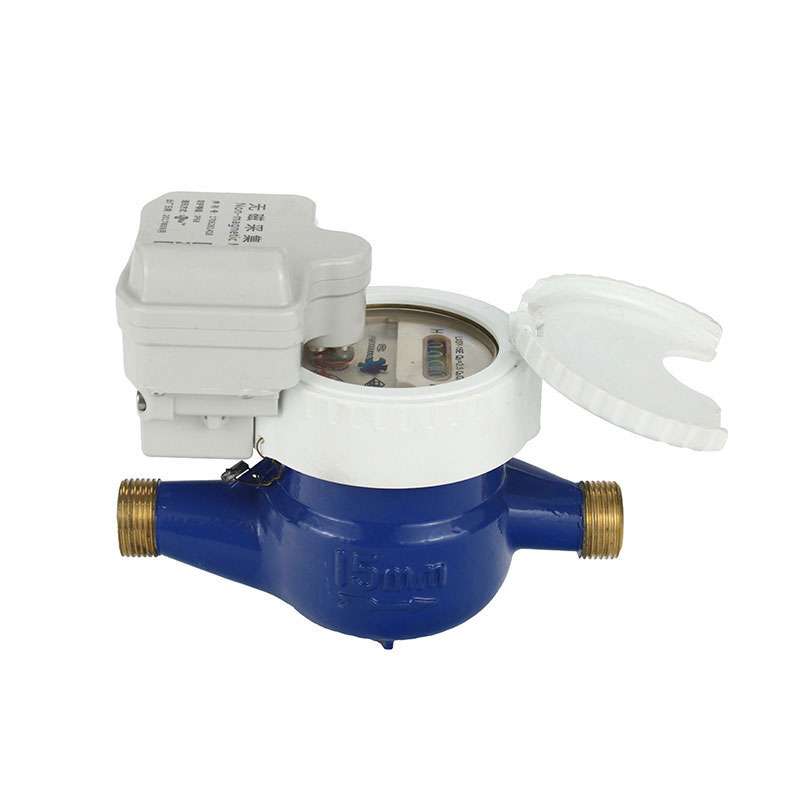 Smart Water Meters: The Digital Pulse of Urban Water Management
 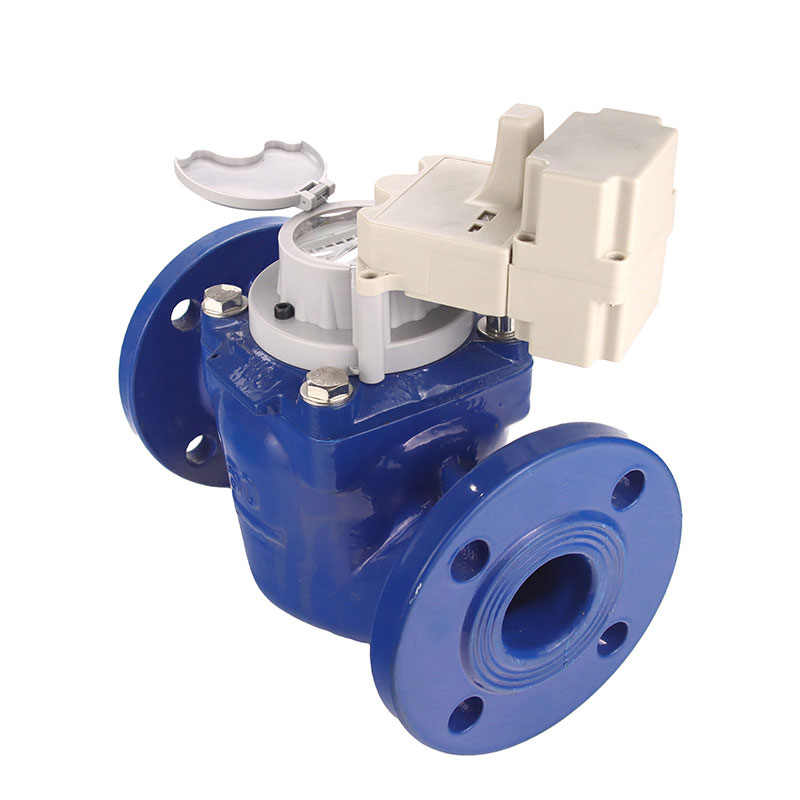 Say Goodbye to Overdue Bills – Start with a Prepaid Water Meter
  The Ultimate 2025 Guide to Water Meter Reading Worksheets
  Vertical vs. Horizontal Water Meters: A Comprehensive Analysis
  Wireless Water Meters: A Revolution in Water Management
  Compound Water Meters: A Comprehensive Guide
  How to Properly Size a Water Meter
  Protecting Your Water Meter from Winter's Chill
 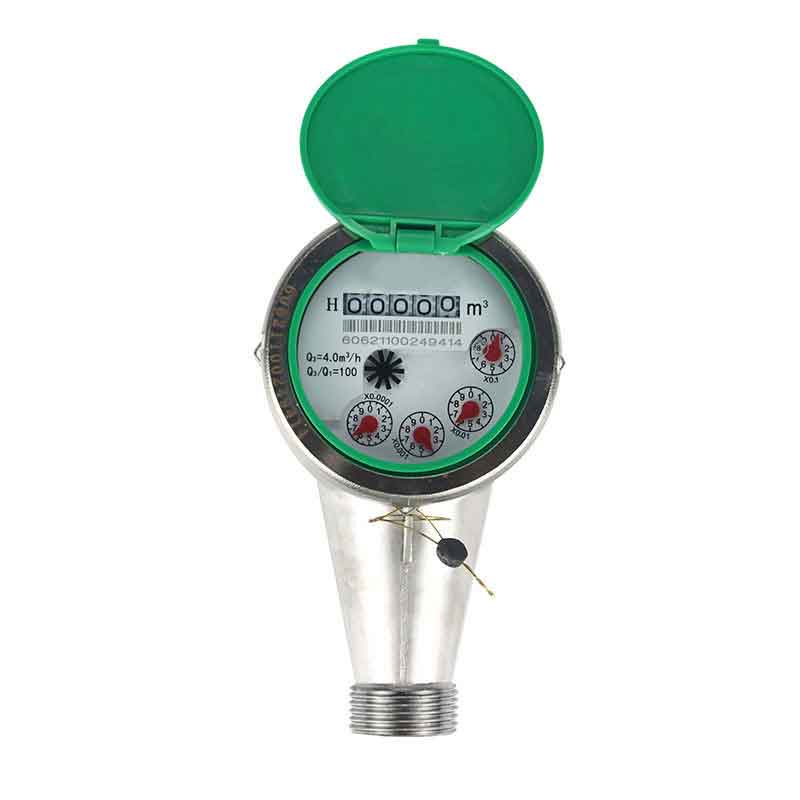 Revolutionizing Water Management: The Multi Jet Dry Type Intelligent Iron Water Meter
  Removable Woltman Water Meters: A Closer Look
 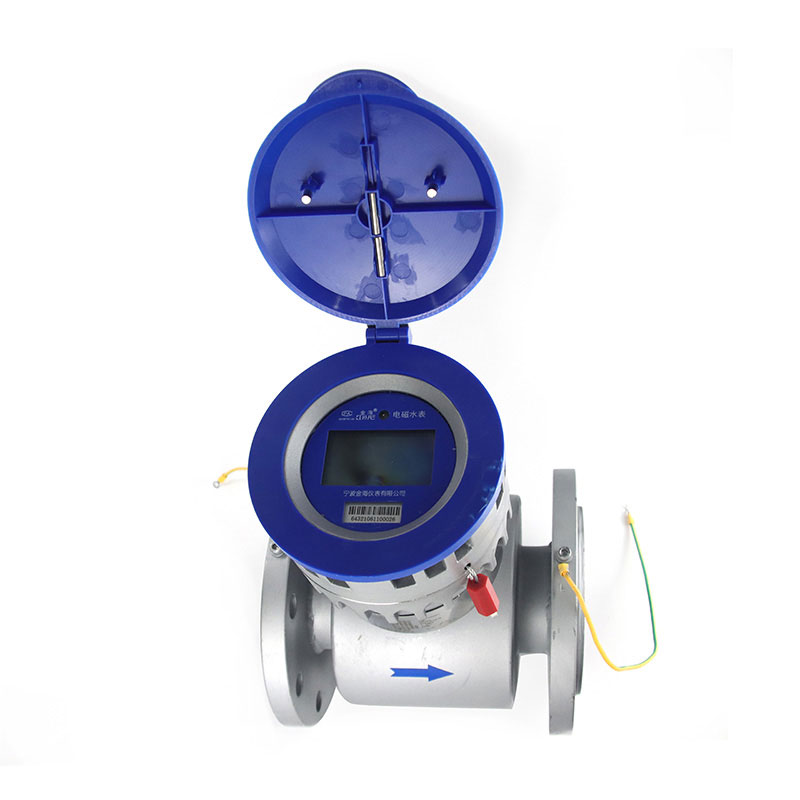 Understanding Electromagnetic Meters: Precision Tools for Accurate Water Measurement
 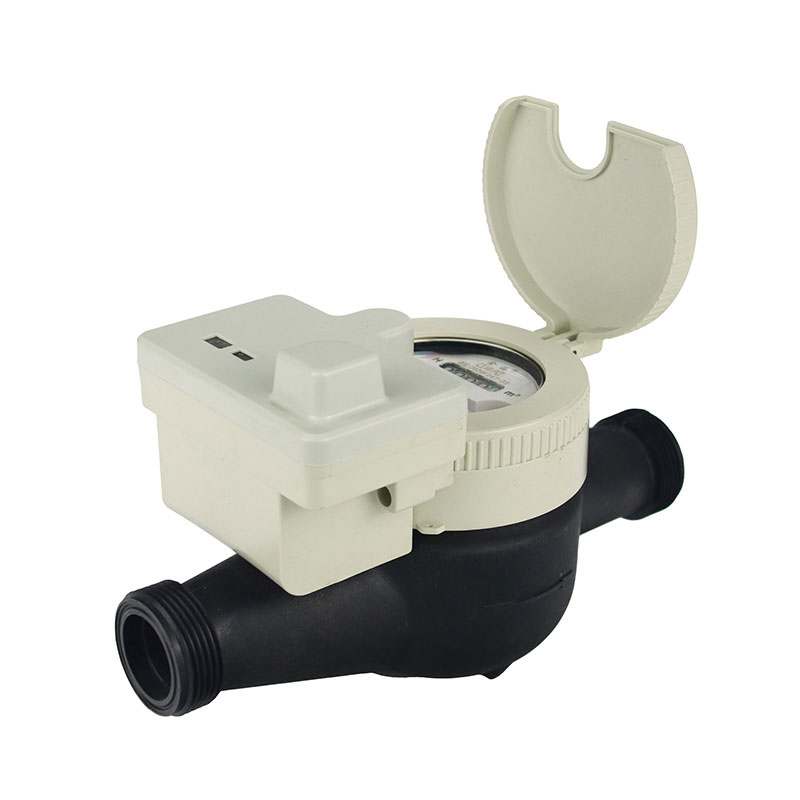 Valve Controlled Remote Intelligent Water Meters: A Revolution in Water Management
 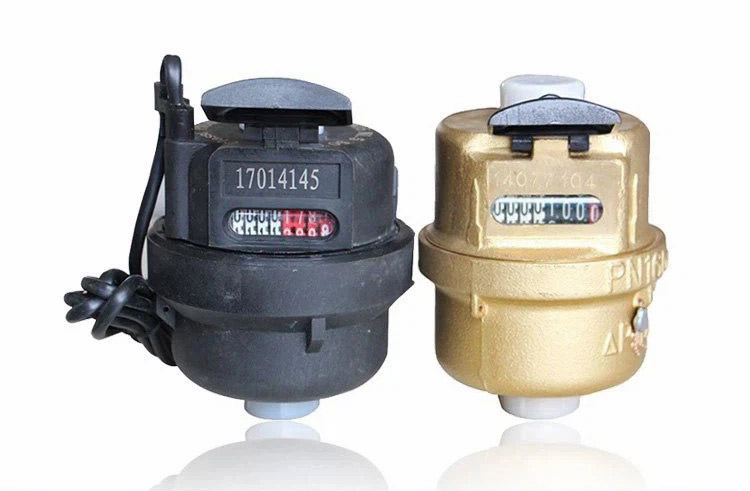 The Inner Workings: Exploring Materials in Water Meter Bodies
  Your Water Bill: The Story Told by Your Water Meter Data
  The Silent Leak: Detecting Water Meter Issues for Efficient Water Management
  The Split-Case Advantage: Understanding Split-Case Water Meter Bodies
  The Indispensable Filter: Understanding Water Meter Strainers
  Wet vs. Dry Water Meters: A Comprehensive Guide to Understanding the Differences