
The Power and Potential of Digital Water Meters
2023-08-04
Residential Water Meter | Single Jet Water Meter | Multi Jet Water Meter | Volumetric Rotary Piston Water Meter | Ultrasonic Water Meter | Ultrasonic Heat Meter
Woltman Water Meter | Smart Water Meters | Direct Read Water Meter | Electromagnetic Water Meter | Multi Jet Wet Type Liquid Sealed Intelligent Water Meter
Woltman Water Meter | Smart Water Meters | Direct Read Water Meter | Electromagnetic Water Meter | Multi Jet Wet Type Liquid Sealed Intelligent Water Meter
In an era where technological advancements continue to reshape various industries, the realm of water management is no exception. The integration of digital solutions has paved the way for unprecedented accuracy, efficiency, and sustainability in monitoring water consumption. At the heart of this transformation lies the digital water meter – a groundbreaking innovation that promises to revolutionize the way we measure and manage our most precious resource. This article delves deep into the realm of digital water meters, exploring their benefits, functioning, and the potential they hold in shaping a more water-conscious future.
Here is the content list:
- The Evolution of Water Metering
- How Digital Water Meters Work
- Benefits of Digital Water Meters
- Challenges and Considerations
- The Future of Digital Water Meters
The Evolution of Water Metering
Traditional water metering systems have served as the backbone of utility management for decades. These mechanical meters have been instrumental in gauging water usage, enabling accurate billing, and promoting water conservation. However, they come with their own set of limitations. Manual reading, the potential for human error, and limited real-time data access have hindered their efficacy in a rapidly evolving digital age.
Enter the digital water meter, a technologically advanced solution designed to address these shortcomings while opening doors to a new era of water management. These meters leverage cutting-edge technologies such as the Internet of Things (IoT), wireless communication, and data analytics to provide a comprehensive and dynamic understanding of water consumption patterns.
How Digital Water Meters Work
At its core, a digital water meter functions much like its traditional counterpart, by measuring the flow of water through a building or property. However, the key distinction lies in its ability to collect, transmit, and analyze data in real time. Here's how they work:
1. Sensors and Measurement: Digital water meters utilize ultrasonic, electromagnetic, or other advanced sensor technologies to measure water flow with high precision. Unlike mechanical meters, they can measure flow bidirectionally, distinguishing between incoming and outgoing water.
2. Data Collection: The meter records consumption data at regular intervals, which is then processed within the device itself or transmitted to a central data repository. This information includes details like usage volume, flow rates, and even peak consumption periods.
3. Wireless Connectivity: Most digital water meters are equipped with wireless connectivity options such as cellular networks, Wi-Fi, or LoRaWAN. This enables seamless data transmission to cloud-based platforms or utility providers' systems.
4. Cloud Integration: The data collected from various meters is aggregated in cloud-based platforms. This central repository allows for real-time monitoring, analysis, and visualization of consumption patterns. Users can access their water usage information through web interfaces or dedicated apps.
5. Analytics and Insights: With the power of data analytics, digital water meters can provide valuable insights into consumption trends, leak detection, and irregularities. Advanced algorithms can even predict potential issues, empowering users to take proactive measures.
Benefits of Digital Water Meters
The integration of digital water meters offers a plethora of benefits that extend beyond their mechanical counterparts. Let's explore some of these advantages:
1. Accurate Billing: Digital water meters eliminate the need for manual reading, significantly reducing billing errors and disputes. This ensures that consumers are billed accurately based on their actual consumption.
2. Real-time Monitoring: Traditional meters often provide monthly readings, leaving consumers unaware of their daily or even hourly water usage. Digital meters offer real-time insights, enabling consumers to track their consumption patterns and make informed decisions.
3. Leak Detection and Prevention: Undetected leaks can lead to substantial water wastage and property damage. Digital water meters can identify unusual consumption patterns indicative of leaks, sending alerts to consumers and utilities in real time.
4. Water Conservation: Armed with timely consumption data, consumers can identify wasteful habits and take steps to conserve water. This not only benefits individual users but also contributes to overall community water conservation efforts.
5. Remote Management: Utility providers can remotely monitor meters and address issues without physically visiting the site. This reduces operational costs and enhances maintenance efficiency.
6. Data-Driven Decision Making: The wealth of data collected by digital water meters can be used by urban planners, policymakers, and researchers to gain insights into water usage trends, enabling them to devise effective water management strategies.
7. Customer Empowerment: Digital water meters empower consumers by providing them with a deeper understanding of their water consumption habits. This knowledge encourages behavioral changes that promote responsible water usage.
8. Sustainability: By facilitating informed consumption choices and enabling prompt leak repairs, digital water meters contribute to the conservation of this finite resource, aligning with sustainable development goals.
Challenges and Considerations
While digital water meters offer a promising future for water management, their implementation comes with challenges that must be addressed:
1. Initial Investment: The installation of digital water meters requires an upfront investment in both the hardware and the supporting digital infrastructure. However, the long-term benefits often outweigh these initial costs.
2. Data Privacy and Security: As with any digital technology, data privacy and security are paramount. Safeguarding sensitive consumption data from unauthorized access or cyber threats is essential.
3. Equity and Accessibility: Ensuring equitable access to digital water metering technology is crucial. Some segments of society might face barriers due to socioeconomic factors or limited digital literacy.
4. Integration with Legacy Systems: Integrating digital water meters into existing utility management systems may pose compatibility challenges. Utility providers need to carefully plan and execute these integrations to ensure a smooth transition.
5. Maintenance and Training: Ongoing maintenance of the digital infrastructure and training for users and utility personnel are necessary to ensure the system's longevity and optimal performance.
The Future of Digital Water Meters
The trajectory of digital water meters points toward a future where water management becomes more efficient, transparent, and environmentally responsible. As technology continues to advance, several trends are likely to shape the evolution of these meters:
1. Smart City Integration: Digital water meters can be integrated into broader smart city initiatives, offering a holistic approach to urban resource management.
2. Predictive Analytics: Enhanced data analytics capabilities will enable meters to not only detect leaks but also predict potential issues based on consumption patterns and environmental factors.
3. Water-Energy Nexus: By integrating water metering data with energy consumption data, users can gain a comprehensive understanding of the interconnectedness of water and energy usage.
4. Consumer Engagement: Gamification and user-friendly interfaces can further engage consumers in water conservation efforts, turning responsible usage into a rewarding experience.
5. Decentralized Water Management: The data collected by digital water meters can facilitate localized water management strategies, allowing communities to tailor solutions to their specific needs.
Conclusion
The advent of digital water meters marks a pivotal moment in the evolution of water management. These smart devices hold the potential to transform the way we perceive, consume, and conserve water. With real-time insights, leak detection capabilities, and data-driven decision-making, digital water meters empower individuals, communities, and policymakers to contribute to a more sustainable future. As technology continues to progress, the vision of a water-conscious society becomes clearer, offering a beacon of hope for efficient resource management on a global scale.
If you still have questions or if you need more information of water meters, you can contact us freely. Our website is https://www.kinmeter.com and mail is yueray@kinhil.com ,Kinhil is dedicated to providing high quality water meters and good service to our customers and friends!
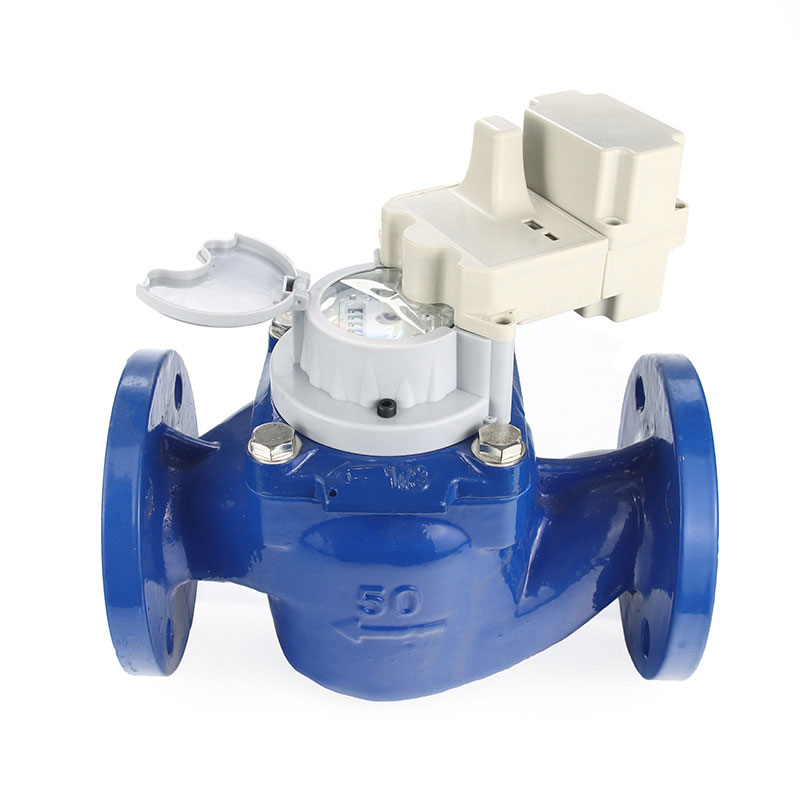 Water Flow Meter Drives Smart Water Management Upgrade
 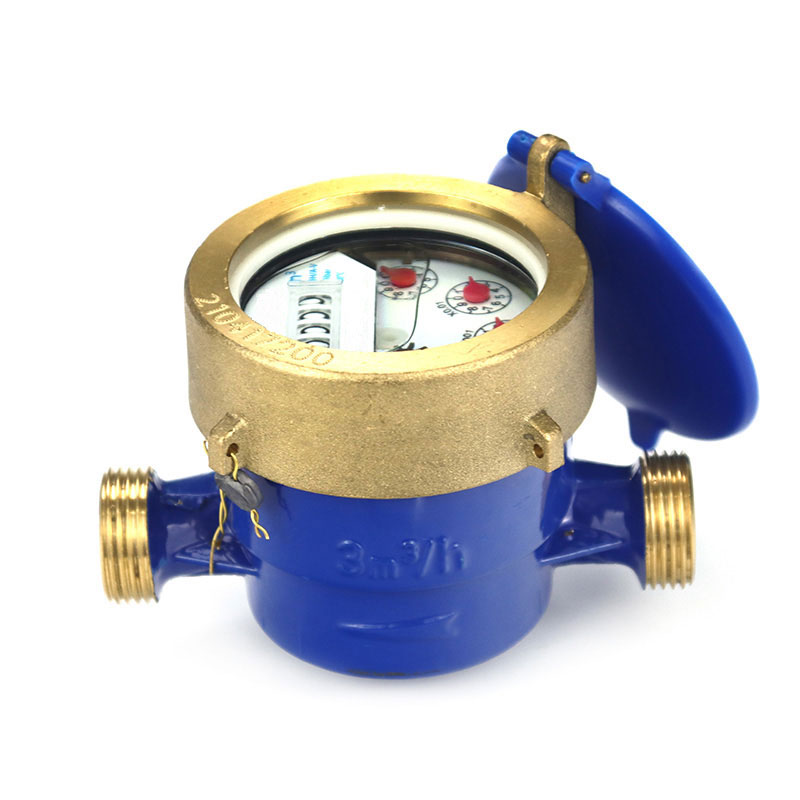 Old water meter replacement campaign launched: Solving metering challenges, benefiting millions of residents
 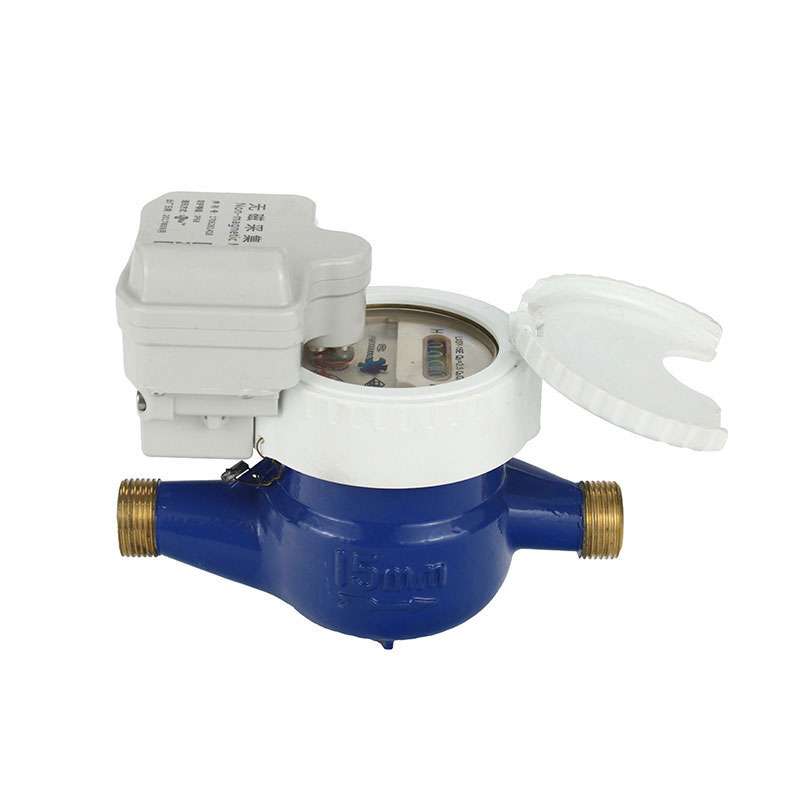 Smart Water Meters: The Digital Pulse of Urban Water Management
 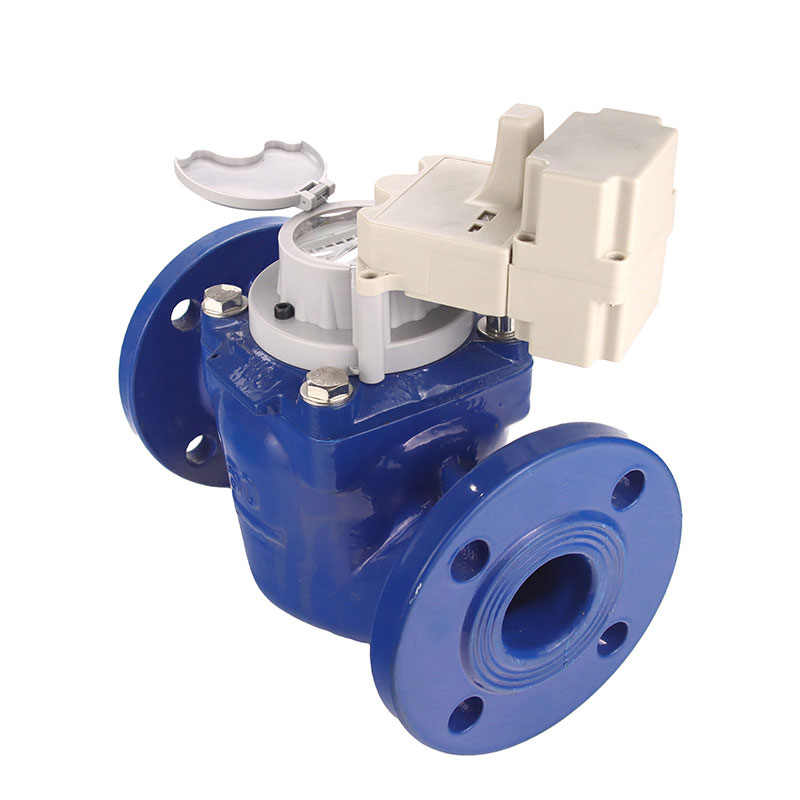 Say Goodbye to Overdue Bills – Start with a Prepaid Water Meter
  The Ultimate 2025 Guide to Water Meter Reading Worksheets
  Vertical vs. Horizontal Water Meters: A Comprehensive Analysis
  Wireless Water Meters: A Revolution in Water Management
  Compound Water Meters: A Comprehensive Guide
  How to Properly Size a Water Meter
  Protecting Your Water Meter from Winter's Chill
 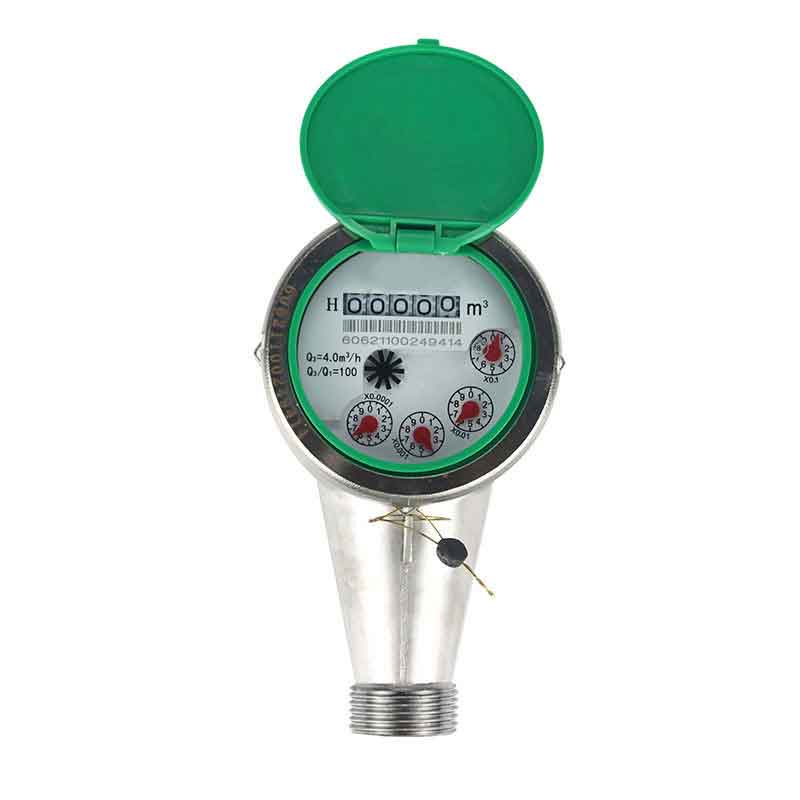 Revolutionizing Water Management: The Multi Jet Dry Type Intelligent Iron Water Meter
  Removable Woltman Water Meters: A Closer Look
 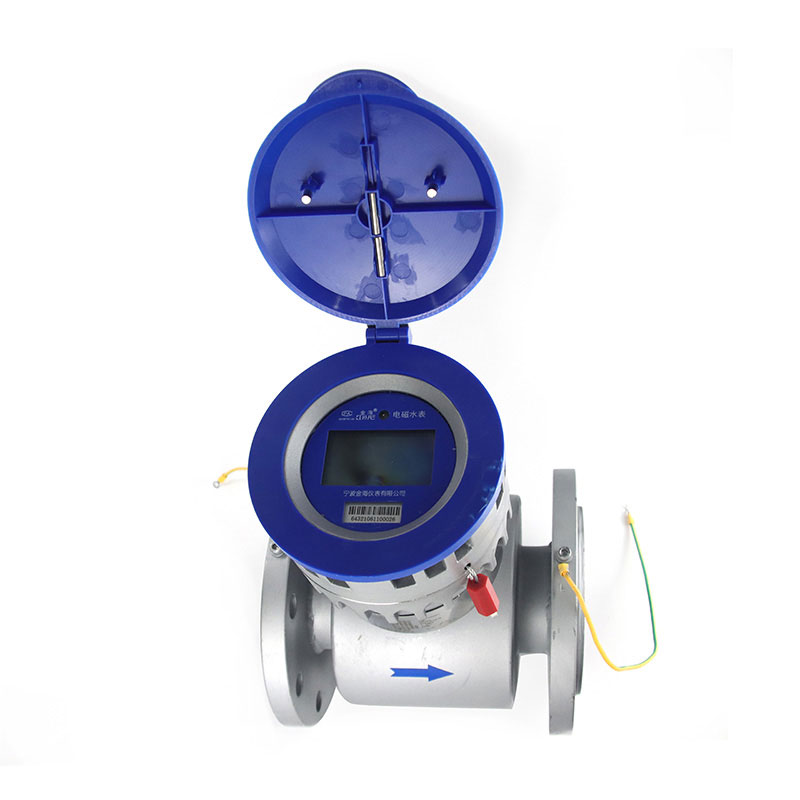 Understanding Electromagnetic Meters: Precision Tools for Accurate Water Measurement
 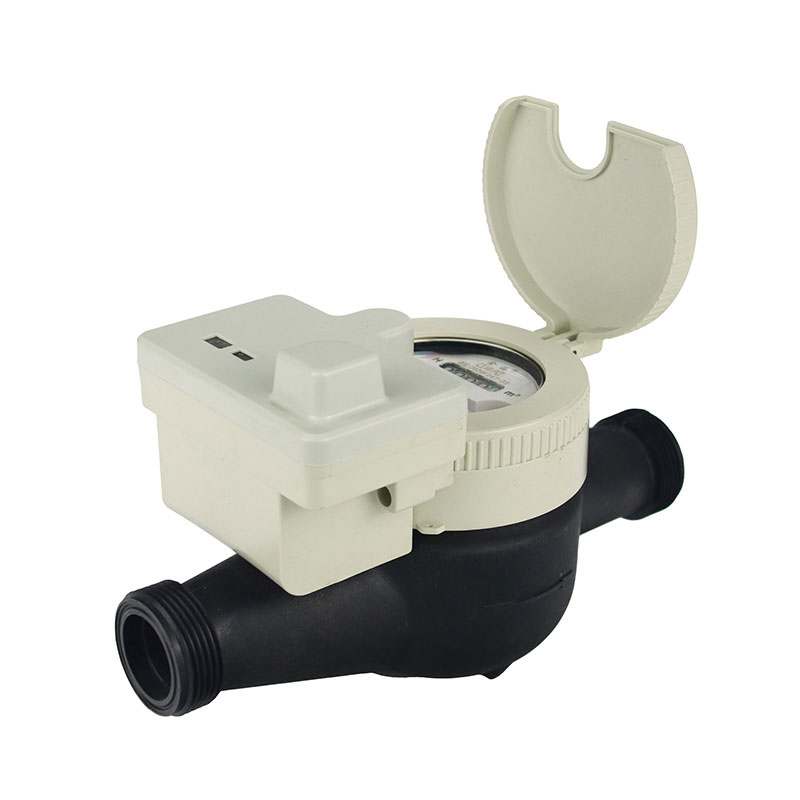 Valve Controlled Remote Intelligent Water Meters: A Revolution in Water Management
 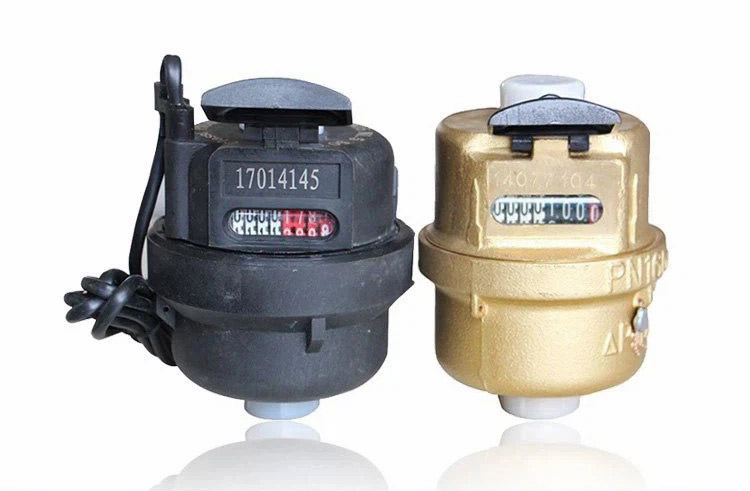 The Inner Workings: Exploring Materials in Water Meter Bodies
  Your Water Bill: The Story Told by Your Water Meter Data
  The Silent Leak: Detecting Water Meter Issues for Efficient Water Management
  The Split-Case Advantage: Understanding Split-Case Water Meter Bodies
  The Indispensable Filter: Understanding Water Meter Strainers
  Wet vs. Dry Water Meters: A Comprehensive Guide to Understanding the Differences