
The Significance of Replacing Water Meters Every 6 Years
2023-09-22
Residential Water Meter | Single Jet Water Meter | Multi Jet Water Meter | Volumetric Rotary Piston Water Meter | Ultrasonic Water Meter | Ultrasonic Heat Meter
Woltman Water Meter | Smart Water Meters | Direct Read Water Meter | Electromagnetic Water Meter | Multi Jet Wet Type Liquid Sealed Intelligent Water Meter
Woltman Water Meter | Smart Water Meters | Direct Read Water Meter | Electromagnetic Water Meter | Multi Jet Wet Type Liquid Sealed Intelligent Water Meter
Water meters play a pivotal role in accurately measuring the amount of water consumed by households and businesses. These unassuming devices are typically installed at the point where the water supply enters a property, and they are responsible for recording water usage. While many people may not give much thought to their water meters, it's essential to understand why they must be replaced after six years of use.
Here is the content list:
- The Role of Water Meters
- The Technology Behind Water Meters
- The Benefits of Digital Water Meters
- The Importance of Accurate Water Consumption Records
The Role of Water Meters
Water meters are essential tools for both water utilities and consumers. They enable water providers to bill customers accurately based on their actual water consumption. For consumers, water meters help monitor their water usage, allowing them to detect leaks and conserve water, ultimately saving money on utility bills.
However, like any mechanical or electronic device, water meters are not immune to wear and tear over time. To maintain their accuracy and efficiency, water meters need periodic replacement, typically every six years. This practice is rooted in several compelling reasons, which we will explore in detail.
1. Accuracy
One of the primary reasons for replacing water meters every six years is to ensure accuracy in measuring water consumption. Over time, the components within a water meter can deteriorate, affecting its precision. Factors such as sediment buildup, corrosion, and wear on internal parts can all contribute to inaccuracies in the recorded water consumption.
One of the primary reasons for replacing water meters every six years is to ensure accuracy in measuring water consumption. Over time, the components within a water meter can deteriorate, affecting its precision. Factors such as sediment buildup, corrosion, and wear on internal parts can all contribute to inaccuracies in the recorded water consumption.
Accurate water measurement is crucial for both water providers and consumers. Water utilities rely on precise data to allocate resources effectively, plan for infrastructure upgrades, and maintain fair billing practices. At the same time, consumers benefit from accurate readings to monitor their water usage and promptly identify any abnormal spikes that might indicate leaks.
2. Technological Advancements
The field of water meter technology has seen significant advancements over the years. Newer models offer improved accuracy, durability, and communication capabilities. By replacing older water meters with newer, more advanced versions, water utilities can take advantage of these benefits.
The field of water meter technology has seen significant advancements over the years. Newer models offer improved accuracy, durability, and communication capabilities. By replacing older water meters with newer, more advanced versions, water utilities can take advantage of these benefits.
Modern water meters often come equipped with features like remote monitoring, which allows for real-time data collection and analysis. This can lead to quicker leak detection and resolution, ultimately reducing water wastage. Additionally, some advanced meters are designed to withstand harsh environmental conditions and provide longer service life, reducing maintenance costs for water utilities.
3. Regulatory Compliance
Water utilities are subject to regulations and standards imposed by government agencies to ensure the delivery of safe and clean drinking water. Regular water meter replacement is often mandated to meet these regulatory requirements. Replacing meters on schedule helps utilities comply with standards related to water measurement accuracy and equipment maintenance.
Water utilities are subject to regulations and standards imposed by government agencies to ensure the delivery of safe and clean drinking water. Regular water meter replacement is often mandated to meet these regulatory requirements. Replacing meters on schedule helps utilities comply with standards related to water measurement accuracy and equipment maintenance.
Regulatory bodies understand that outdated or malfunctioning water meters can lead to underbilling or overbilling, which can have financial implications for both utilities and consumers. By replacing meters on a predetermined schedule, utilities can demonstrate their commitment to maintaining accurate billing practices and ensuring that consumers are billed fairly for the water they use.
4. Preventing Revenue Loss
For water utilities, revenue loss due to inaccurate meter readings is a significant concern. Aging water meters are more likely to underreport water consumption, which can result in lost revenue for the utility. By proactively replacing meters every six years, utilities can mitigate the risk of revenue loss and maintain financial stability.
For water utilities, revenue loss due to inaccurate meter readings is a significant concern. Aging water meters are more likely to underreport water consumption, which can result in lost revenue for the utility. By proactively replacing meters every six years, utilities can mitigate the risk of revenue loss and maintain financial stability.
Moreover, when water utilities accurately measure and bill for water consumption, they can secure the funds needed to invest in infrastructure upgrades and improvements. This, in turn, helps ensure the reliability and quality of the water supply for consumers.
5. Environmental Sustainability
Water is a finite resource, and the responsible use of this resource is crucial for environmental sustainability. Accurate water meters play a vital role in encouraging water conservation. When consumers have access to precise data on their water usage, they are more likely to take steps to reduce wastage.
Water is a finite resource, and the responsible use of this resource is crucial for environmental sustainability. Accurate water meters play a vital role in encouraging water conservation. When consumers have access to precise data on their water usage, they are more likely to take steps to reduce wastage.
Regular water meter replacement ensures that consumers are provided with up-to-date meters that can monitor their water consumption effectively. This promotes awareness of water conservation efforts and helps reduce the overall demand for water resources, benefiting both the environment and future generations.
6. Detecting and Preventing Leaks
Water leaks can be costly and damaging, both to water utilities and consumers. Even small, slow leaks can accumulate into significant water wastage and increased water bills. Replacing water meters every six years allows for the installation of modern meters equipped with leak detection capabilities.
Water leaks can be costly and damaging, both to water utilities and consumers. Even small, slow leaks can accumulate into significant water wastage and increased water bills. Replacing water meters every six years allows for the installation of modern meters equipped with leak detection capabilities.
Advanced water meters can monitor water flow continuously and alert consumers and utilities to unusual patterns that may indicate a leak. This early detection can lead to quicker repairs and less water wasted. By preventing leaks from escalating, utilities can save on repair costs and conserve water resources.
The Technology Behind Water Meters
Understanding the technology behind water meters is essential to appreciate why they need replacement every six years. Water meters come in various types, with the most common being mechanical (analog) and digital (electronic) meters. Here, we will explore the inner workings of both types and how they measure water usage.
1. Mechanical Water Meters
Mechanical water meters, also known as analog meters, have been in use for many decades. They operate on the principle of positive displacement. Inside a mechanical meter, there is a chamber that fills with water as it flows through the meter. This chamber contains a rotating disk or piston, which is connected to a gear train. As water flows through the meter, it pushes the disk or piston, causing it to rotate.
Mechanical water meters, also known as analog meters, have been in use for many decades. They operate on the principle of positive displacement. Inside a mechanical meter, there is a chamber that fills with water as it flows through the meter. This chamber contains a rotating disk or piston, which is connected to a gear train. As water flows through the meter, it pushes the disk or piston, causing it to rotate.
The rotation of the disk or piston is directly proportional to the volume of water passing through the meter. This rotational motion is then transferred to a dial or odometer-style counter, which displays the water consumption in cubic feet or gallons.
The mechanical design of these meters makes them susceptible to wear and tear over time. Sediment, minerals, and particles in the water can accumulate in the chamber, affecting the accuracy of the meter. Corrosion and mechanical stress on moving parts can also lead to decreased precision.
2. Digital (Electronic) Water Meters
Digital or electronic water meters represent a more modern approach to measuring water consumption. These meters use electronic sensors and microprocessors to measure water flow accurately. Unlike mechanical meters, digital meters do not have moving parts, making them less prone to wear and tear.
Digital or electronic water meters represent a more modern approach to measuring water consumption. These meters use electronic sensors and microprocessors to measure water flow accurately. Unlike mechanical meters, digital meters do not have moving parts, making them less prone to wear and tear.
Inside a digital water meter, a sensor measures the flow of water through the metering chamber. This sensor generates electronic pulses that are processed by a microprocessor. The microprocessor converts these pulses into volume measurements, which are then displayed digitally on a screen.
Digital water meters often include additional features such as wireless communication capabilities, allowing for remote monitoring and data collection. This feature is especially valuable for water utilities, as it enables them to track water usage patterns and detect anomalies in real-time.
The Benefits of Digital Water Meters
Digital water meters offer several advantages over their mechanical counterparts, which contribute to the need for replacement every six years:
1. Enhanced Accuracy: Digital meters are known for their precision in measuring water consumption. They are less affected by factors like sediment buildup and mechanical wear, leading to more accurate readings.
2. Durability: With no moving parts, digital meters tend to have longer service lives and require less maintenance.
3. Remote Monitoring: The ability to monitor water consumption remotely allows for faster leak detection and improved water management.
4. Data Collection: Digital meters provide valuable data that can be used for analysis and decision-making by water utilities.
5. Environmental Sensing: Some digital meters can detect unusual water usage patterns indicative of leaks or other issues, promoting water conservation.
The Importance of Accurate Water Consumption Records
Accurate water consumption records are essential for both water utilities and consumers. These records serve various purposes, from billing to resource management. Let's explore why maintaining precise records is crucial:
1. Fair Billing: Accurate records ensure that consumers are billed fairly for the water they use. Overbilling or underbilling can lead to financial disputes and affect a utility's revenue.
2. Resource Allocation: Water utilities rely on consumption data to allocate resources effectively. This information helps them plan for infrastructure upgrades, maintenance, and water treatment processes.
3. Leak Detection: Water consumption records can reveal sudden spikes in usage, which may indicate leaks. Prompt detection and repair of leaks save water and prevent property damage.
4. Water Conservation: When consumers have access to accurate data on their water usage, they are more likely to take steps to conserve water, benefiting the environment.
5. Regulatory Compliance: Accurate records are necessary to comply with regulatory standards related to water measurement and billing practices.
In conclusion, the practice of replacing water meters every six years is rooted in a combination of factors that ensure the continued accuracy and efficiency of these essential devices. Accurate measurement of water consumption is critical for both water utilities and consumers, as it enables fair billing, resource management, and environmental sustainability.
The technology behind water meters has evolved over time, with digital meters now offering enhanced accuracy, durability, and communication capabilities. These advancements contribute to the need for regular replacement, as they provide numerous benefits that ultimately lead to more efficient and sustainable water management.
Furthermore, the importance of maintaining accurate water consumption records cannot be overstated. These records serve as the foundation for fair billing, resource allocation, leak detection, water conservation efforts, and regulatory compliance.
By recognizing the significance of replacing water meters every six years and embracing modern metering technology, water utilities can ensure the equitable distribution of water resources and promote responsible water usage for the benefit of society and the environment.
If you still have questions or if you need more information of water meters, you can contact us freely. Our website is https://www.kinmeter.com and mail is yueray@kinhil.com ,Kinhil is dedicated to providing high quality water meters and good service to our customers and friends!
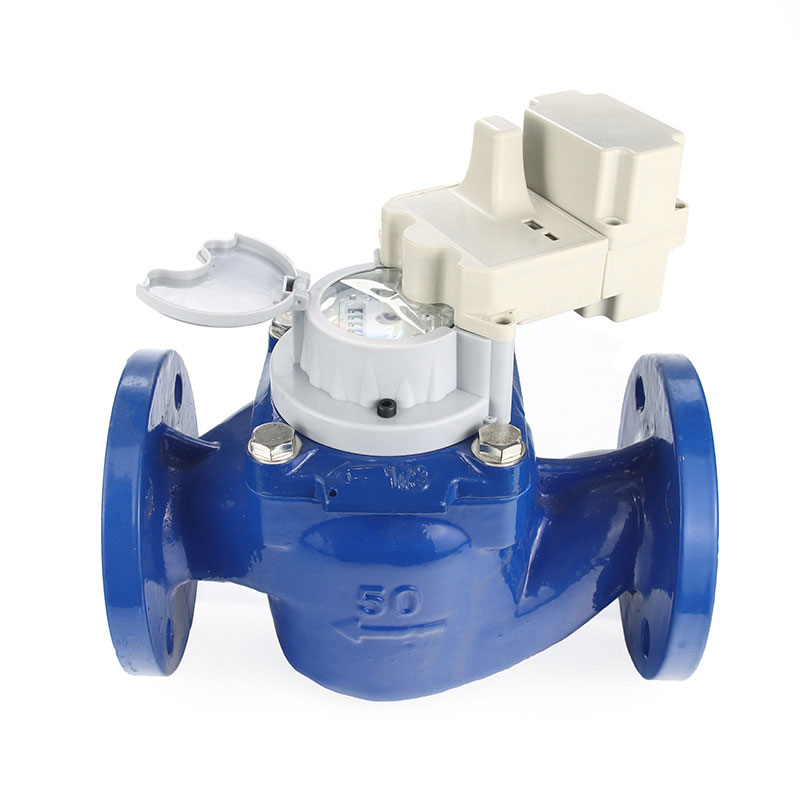 Water Flow Meter Drives Smart Water Management Upgrade
 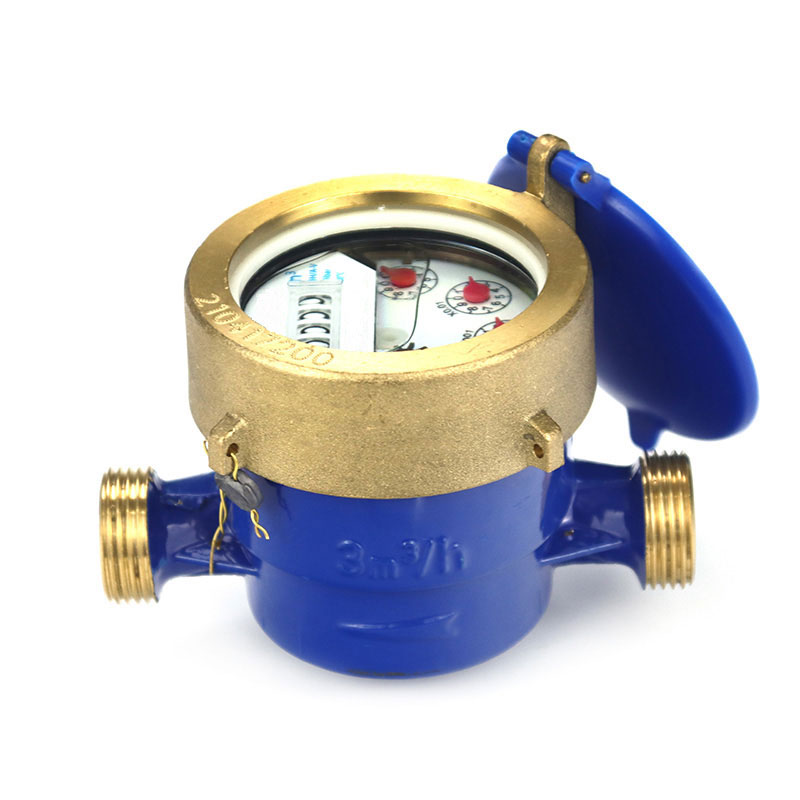 Old water meter replacement campaign launched: Solving metering challenges, benefiting millions of residents
 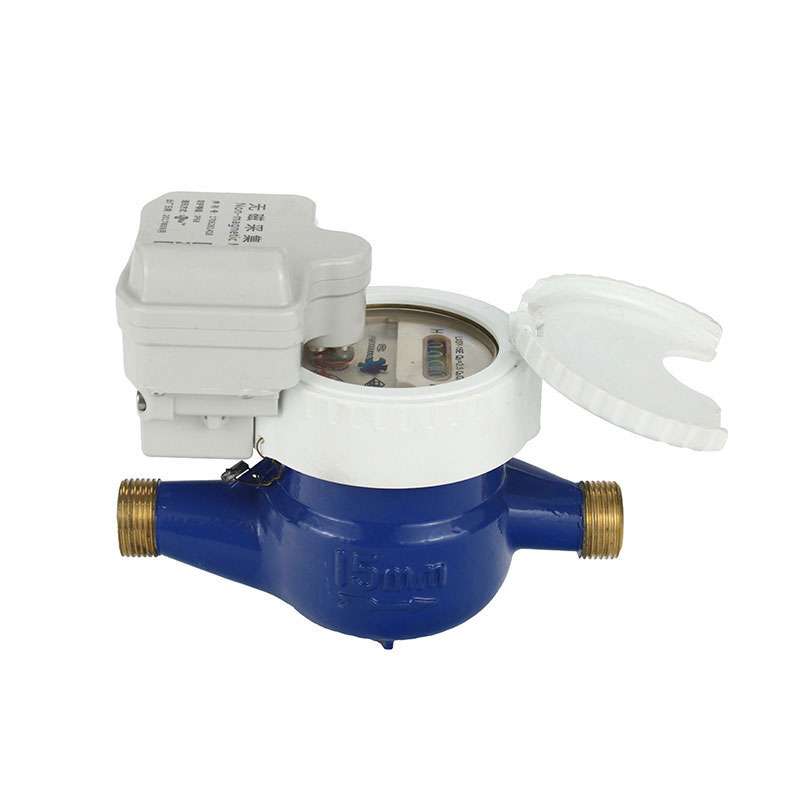 Smart Water Meters: The Digital Pulse of Urban Water Management
 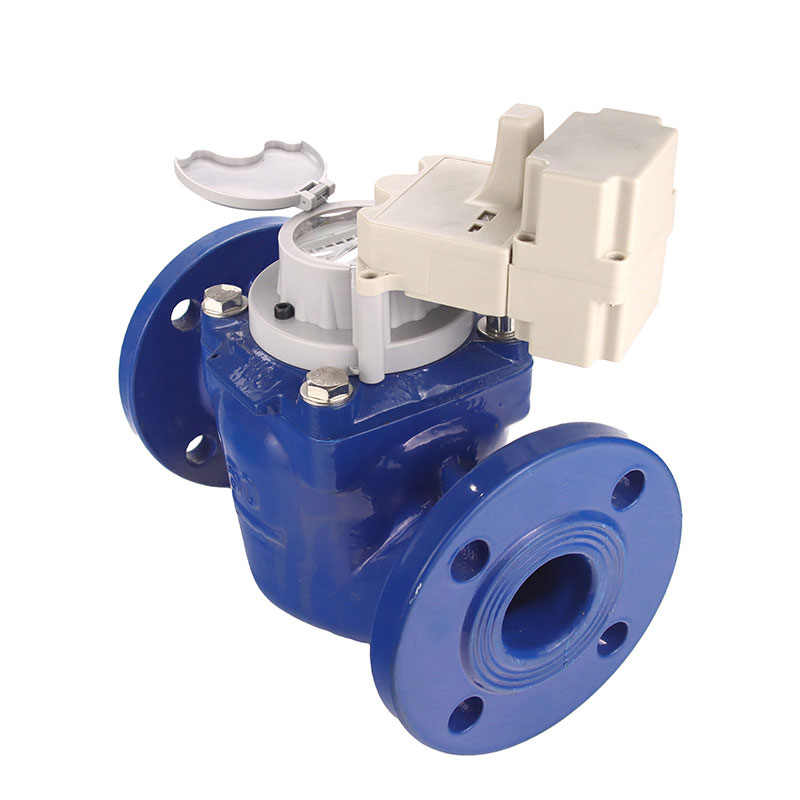 Say Goodbye to Overdue Bills – Start with a Prepaid Water Meter
  The Ultimate 2025 Guide to Water Meter Reading Worksheets
 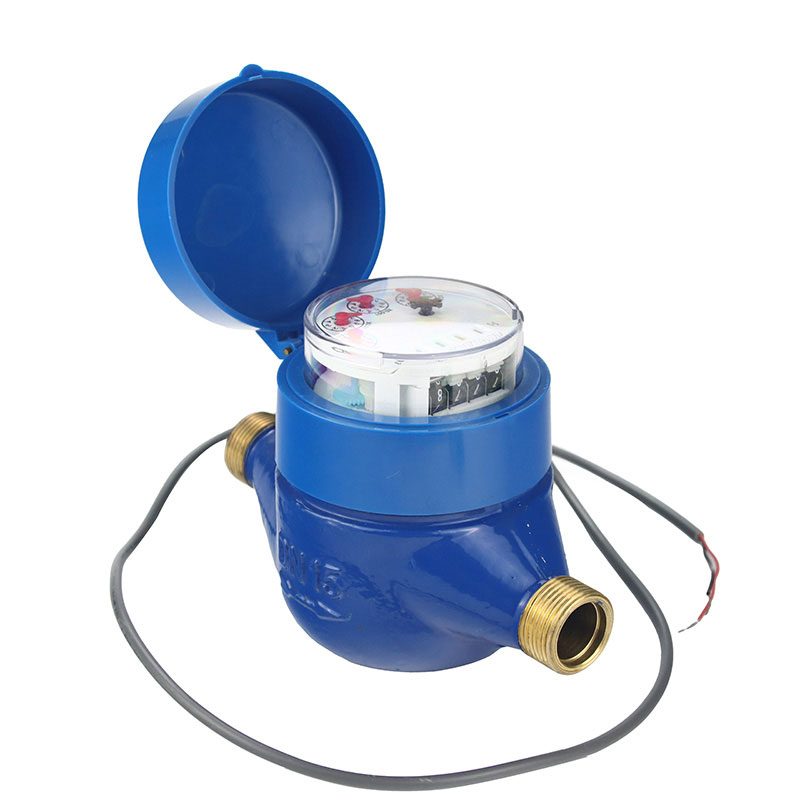 Vertical vs. Horizontal Water Meters: A Comprehensive Analysis
 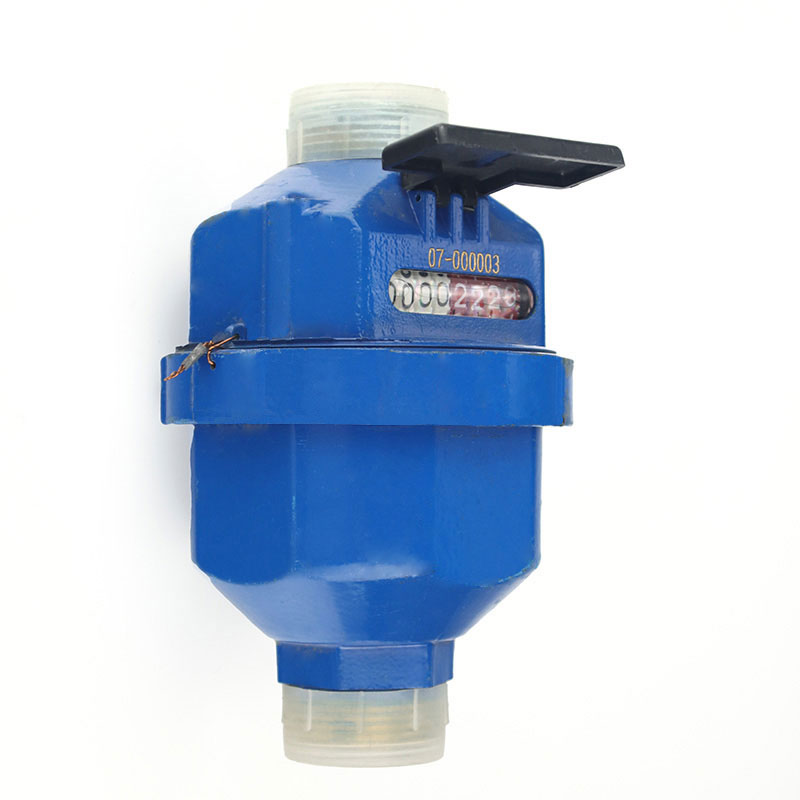 Wireless Water Meters: A Revolution in Water Management
  Compound Water Meters: A Comprehensive Guide
 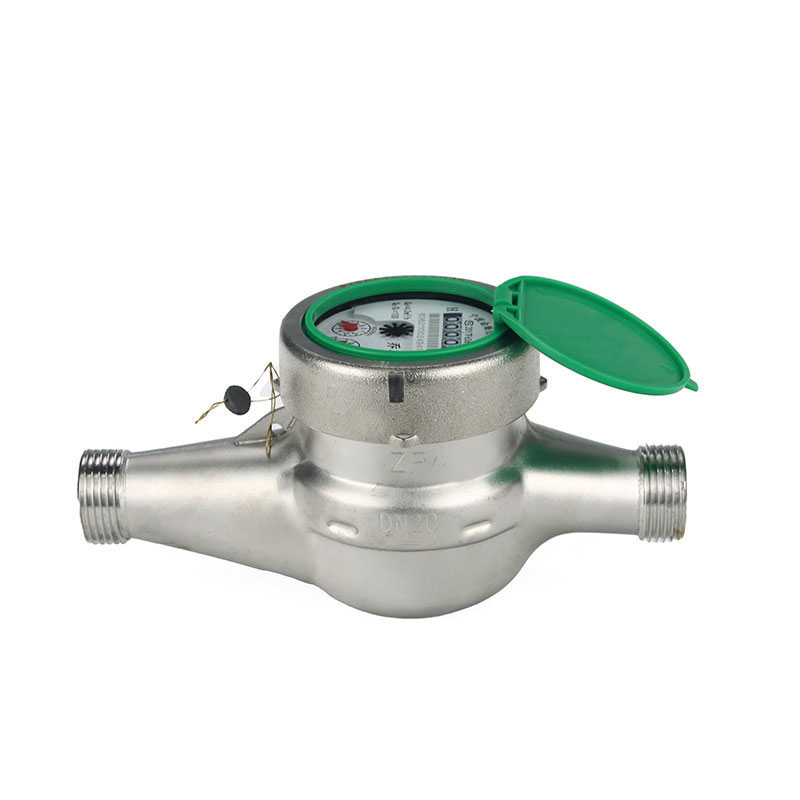 How to Properly Size a Water Meter
 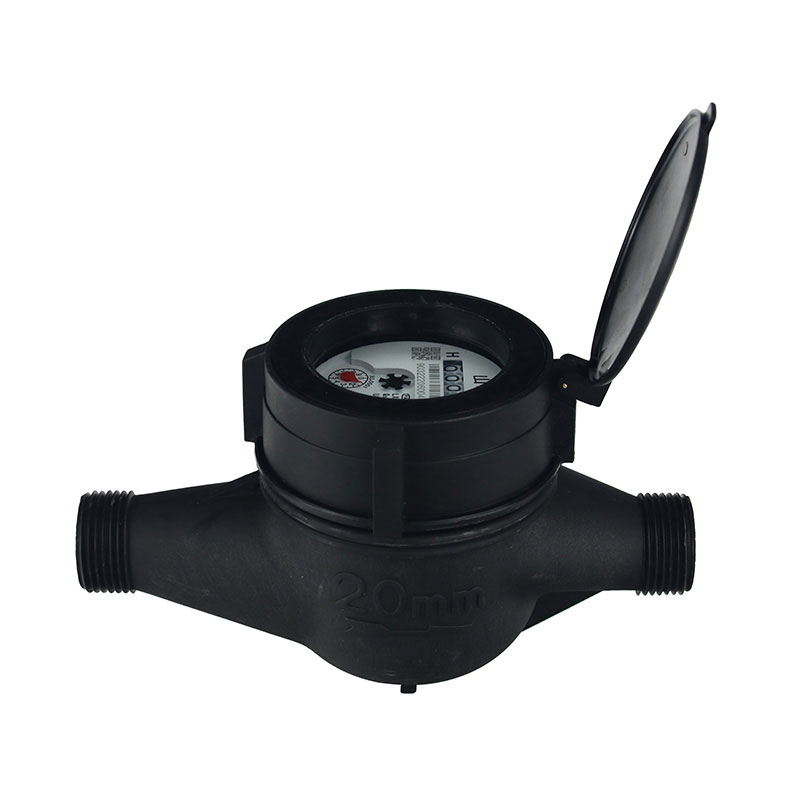 Protecting Your Water Meter from Winter's Chill
 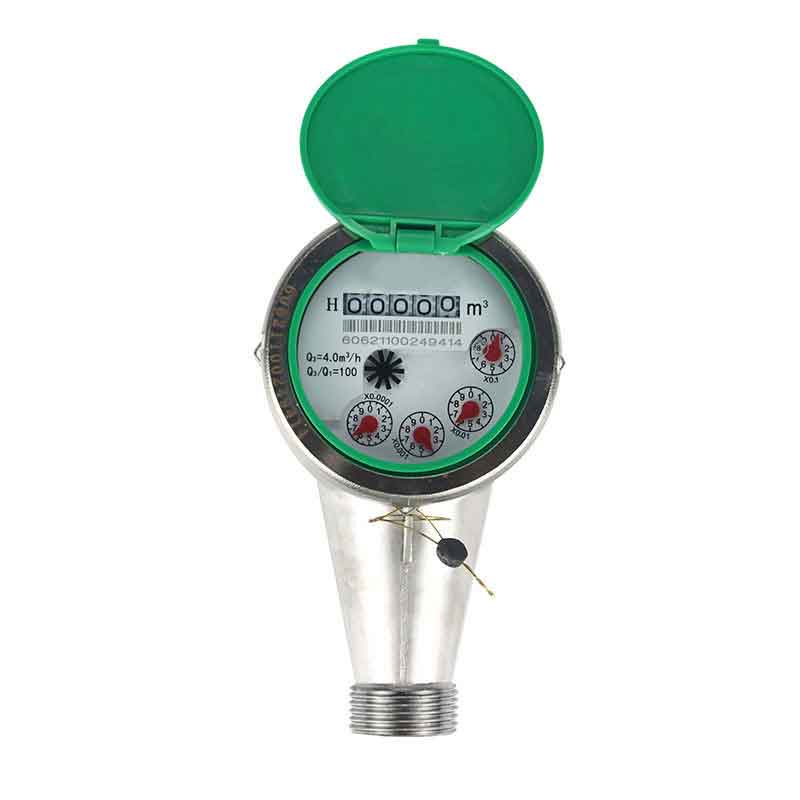 Revolutionizing Water Management: The Multi Jet Dry Type Intelligent Iron Water Meter
  Removable Woltman Water Meters: A Closer Look
 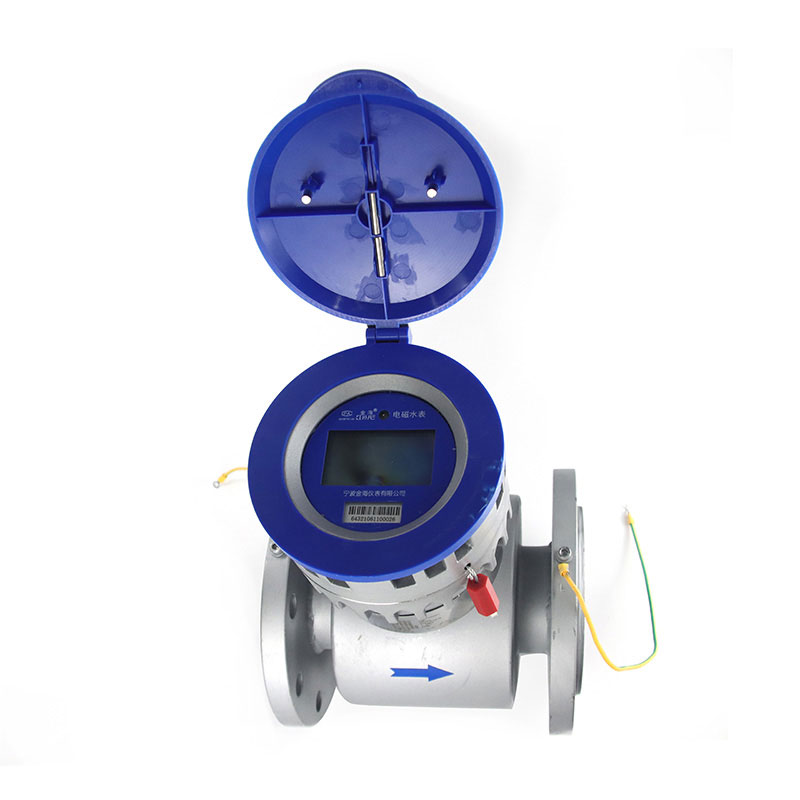 Understanding Electromagnetic Meters: Precision Tools for Accurate Water Measurement
 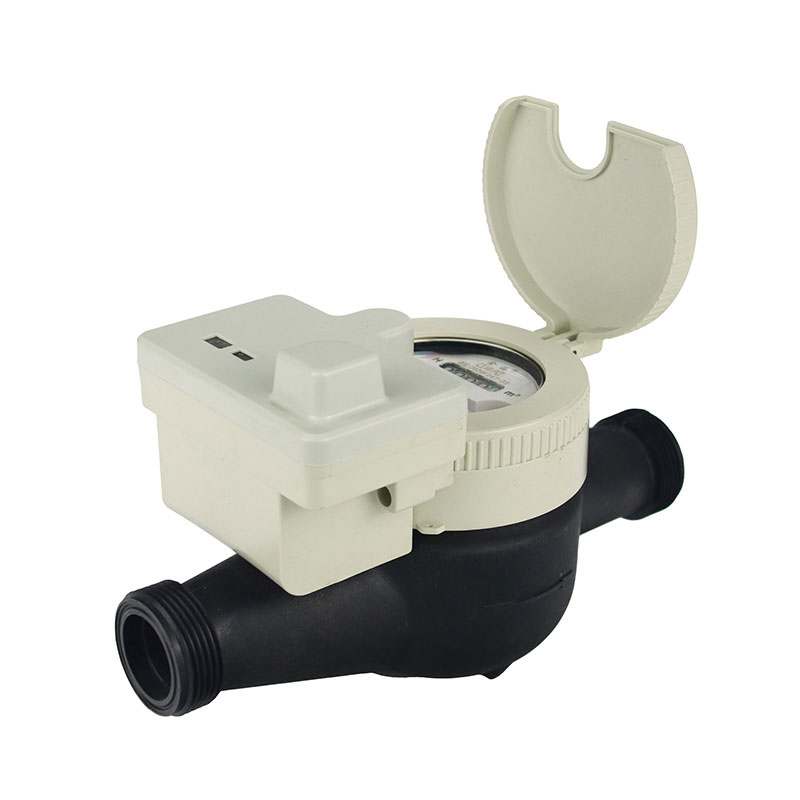 Valve Controlled Remote Intelligent Water Meters: A Revolution in Water Management
 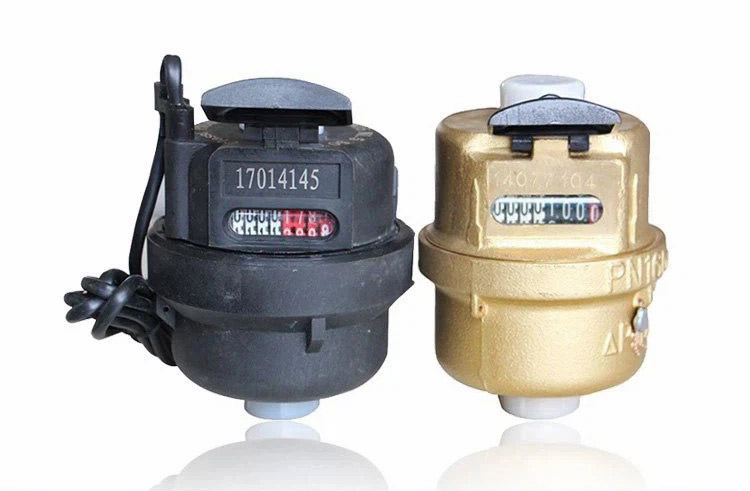 The Inner Workings: Exploring Materials in Water Meter Bodies
  Your Water Bill: The Story Told by Your Water Meter Data
  The Silent Leak: Detecting Water Meter Issues for Efficient Water Management
  The Split-Case Advantage: Understanding Split-Case Water Meter Bodies
  The Indispensable Filter: Understanding Water Meter Strainers
  Wet vs. Dry Water Meters: A Comprehensive Guide to Understanding the Differences