
What does water meter look like?
2023-03-10
Residential Water Meter | Single Jet Water Meter | Multi Jet Water Meter | Volumetric Rotary Piston Water Meter | Ultrasonic Water Meter | Ultrasonic Heat Meter
Woltman Water Meter | Smart Water Meters | Direct Read Water Meter | Electromagnetic Water Meter | Multi Jet Wet Type Liquid Sealed Intelligent Water Meter
Woltman Water Meter | Smart Water Meters | Direct Read Water Meter | Electromagnetic Water Meter | Multi Jet Wet Type Liquid Sealed Intelligent Water Meter
A water meter is a device used to measure the flow of water, commonly measured in gallons or cubic feet. A water meter is usually placed inside a concrete box and the amount of water used is determined by reading the markings on the meter. Regular readings of water meters can monitor water usage and spot leaks or unusual water patterns, helping to conserve water and save money on water bills.
Here is the content list:
- Water meters and their units of measurement
- Conversion Between Gallons and Cubic Feet
- Meter box and steps to read the meter
- Read water meters and measure water volume
- Different Types of Water Meters and Measurement Methods
- Monitor water meters regularly to save water and lower water bills
Water meters and their units of measurement
A water meter is a device used to measure the amount of water that moves through a particular location. Water meters come in various shapes and sizes, but they all serve the same purpose of measuring the amount of water that passes through them. The most common types of water meters measure water in gallons or cubic feet.
A water meter is a device used to measure the amount of water that moves through a particular location. Water meters come in various shapes and sizes, but they all serve the same purpose of measuring the amount of water that passes through them. The most common types of water meters measure water in gallons or cubic feet.
Conversion Between Gallons and Cubic Feet
One gallon of water is equivalent to 0.1337 cubic feet, which means that 748 gallons of water is equal to 100 cubic feet of water. This is important to know because water bills are often calculated based on the number of cubic feet of water used.
One gallon of water is equivalent to 0.1337 cubic feet, which means that 748 gallons of water is equal to 100 cubic feet of water. This is important to know because water bills are often calculated based on the number of cubic feet of water used.
Meter box and steps to read the meter
A water meter is typically housed in a meter box, which is usually made of concrete. To read your water meter, you need to remove the lid of the meter box and locate the meter inside. You may need a tool such as a large screwdriver to remove the lid.
A water meter is typically housed in a meter box, which is usually made of concrete. To read your water meter, you need to remove the lid of the meter box and locate the meter inside. You may need a tool such as a large screwdriver to remove the lid.
Read water meters and measure water volume
Once you have located your meter, you can determine how much water you have used by reading the marked water on the meter. The markings on the meter represent the number of cubic feet of water that has passed through the meter. One cubic foot of water is equivalent to 7.48 gallons.
Once you have located your meter, you can determine how much water you have used by reading the marked water on the meter. The markings on the meter represent the number of cubic feet of water that has passed through the meter. One cubic foot of water is equivalent to 7.48 gallons.
Different Types of Water Meters and Measurement Methods
Different types of water meters measure water in different ways. Some meters measure water flow by using a spinning disk, while others use a magnetic or ultrasonic sensor to detect the flow of water. Regardless of the type of meter, they all work by measuring the amount of water that passes through them.
Different types of water meters measure water in different ways. Some meters measure water flow by using a spinning disk, while others use a magnetic or ultrasonic sensor to detect the flow of water. Regardless of the type of meter, they all work by measuring the amount of water that passes through them.
Monitor water meters regularly to save water and lower water bills
It is important to locate your water meter and read it periodically to monitor the amount of water you are using. This can help you identify any leaks or unusual water usage patterns that may be increasing your water bill. By keeping track of your water usage, you can also conserve water and save money on your water bill.
It is important to locate your water meter and read it periodically to monitor the amount of water you are using. This can help you identify any leaks or unusual water usage patterns that may be increasing your water bill. By keeping track of your water usage, you can also conserve water and save money on your water bill.
In summary, a water meter is a device that measures the amount of water that moves through a particular location. Meters measure water in gallons or cubic feet, and 748 gallons is equal to 100 cubic feet of water. Water meters are housed in a concrete box and can be read by removing the lid of the meter box. By monitoring your water usage, you can conserve water and save money on your water bill.
If you still have questions or if you need more information of water meters, you can contact us freely. Our website is https://www.kinmeter.com and mail is yueray@kinhil.com ,Kinhil is dedicated to providing high quality water meters and good service to our customers and friends!
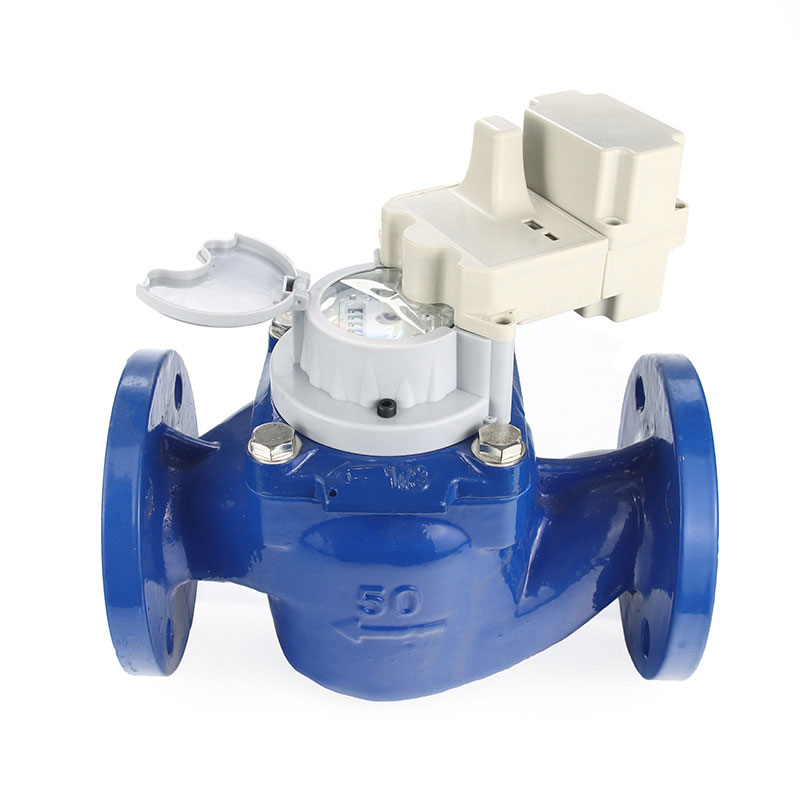 Water Flow Meter Drives Smart Water Management Upgrade
 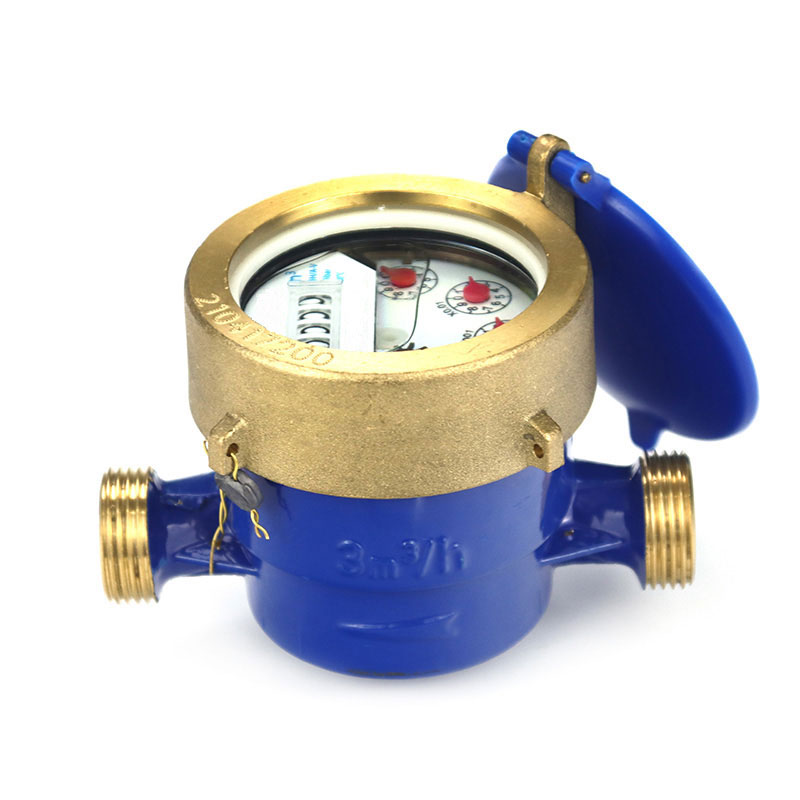 Old water meter replacement campaign launched: Solving metering challenges, benefiting millions of residents
 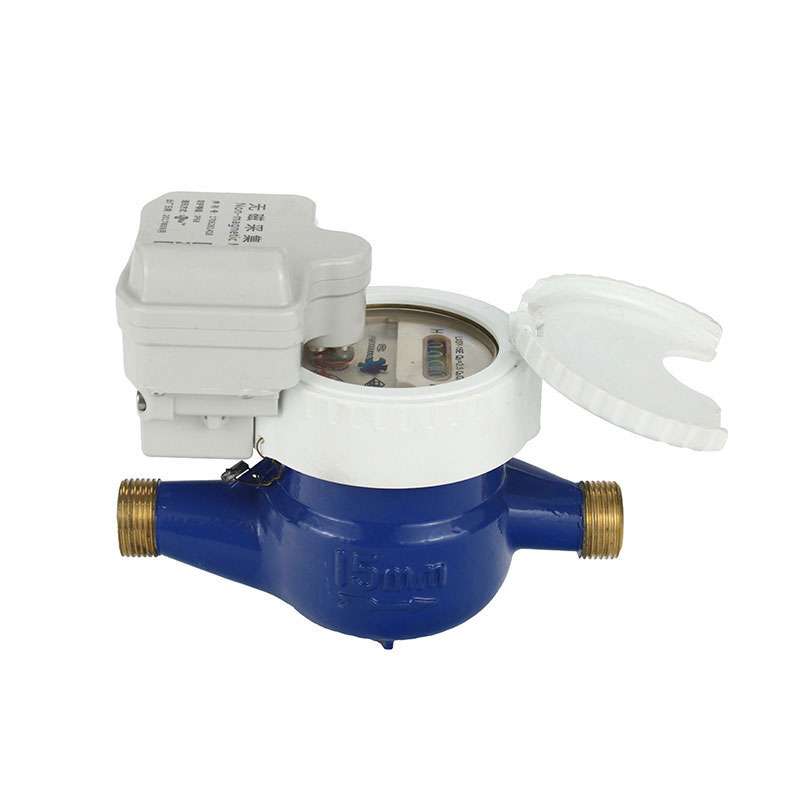 Smart Water Meters: The Digital Pulse of Urban Water Management
 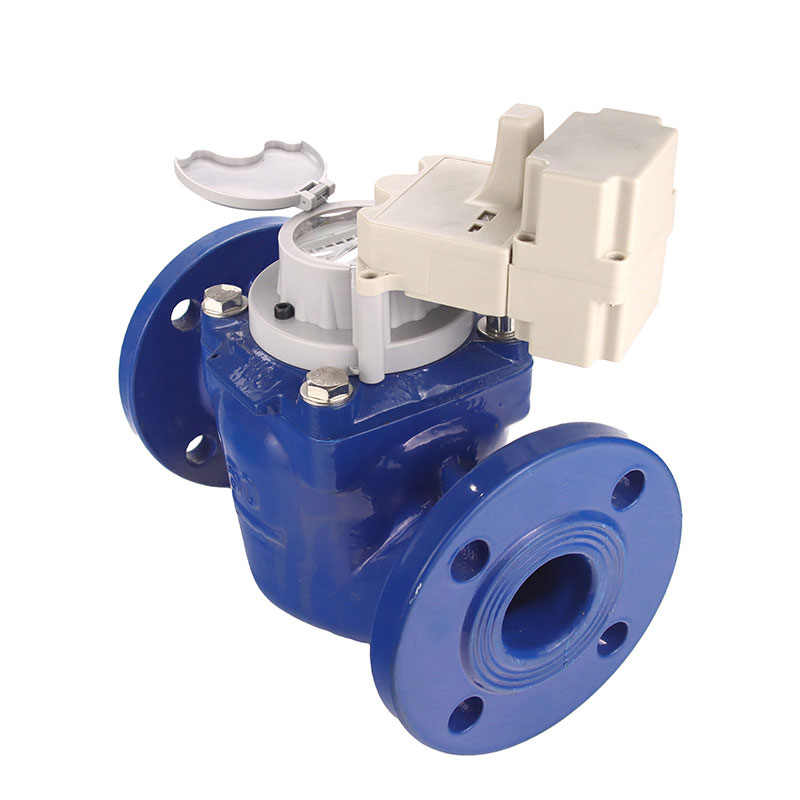 Say Goodbye to Overdue Bills – Start with a Prepaid Water Meter
  The Ultimate 2025 Guide to Water Meter Reading Worksheets
  Vertical vs. Horizontal Water Meters: A Comprehensive Analysis
  Wireless Water Meters: A Revolution in Water Management
  Compound Water Meters: A Comprehensive Guide
  How to Properly Size a Water Meter
  Protecting Your Water Meter from Winter's Chill
 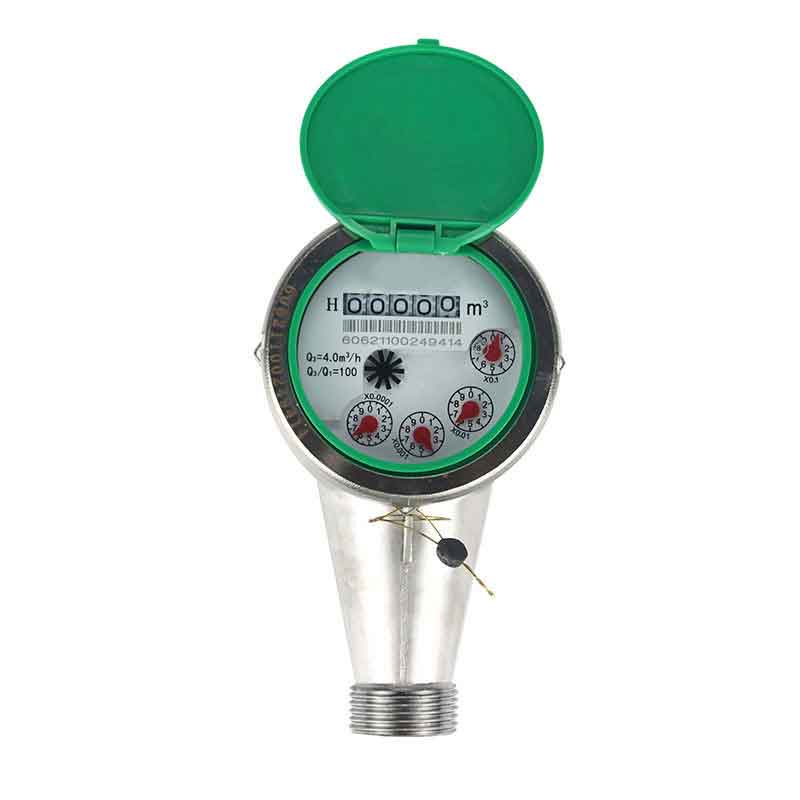 Revolutionizing Water Management: The Multi Jet Dry Type Intelligent Iron Water Meter
  Removable Woltman Water Meters: A Closer Look
 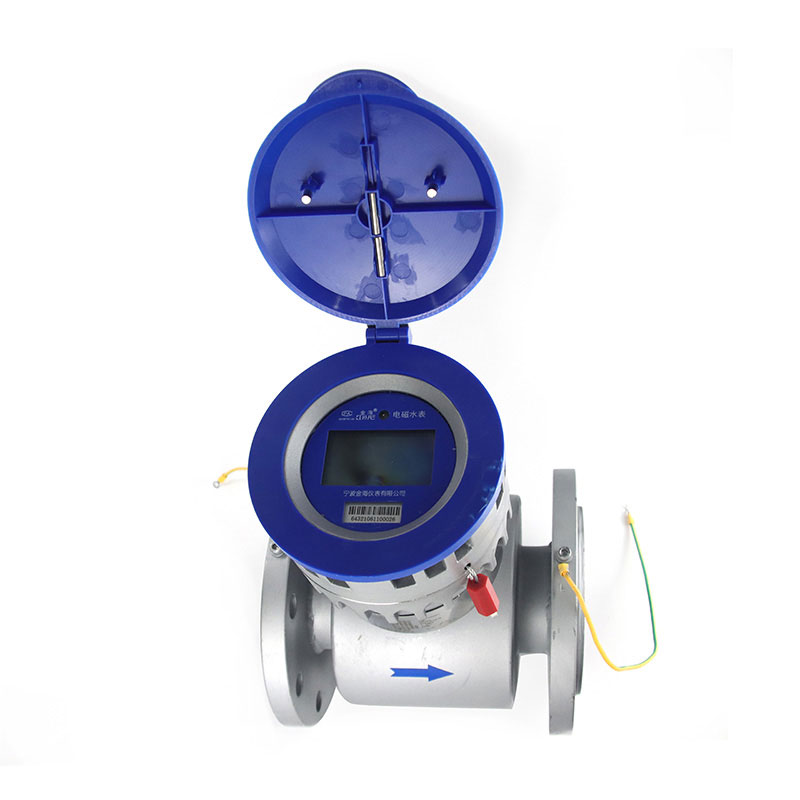 Understanding Electromagnetic Meters: Precision Tools for Accurate Water Measurement
 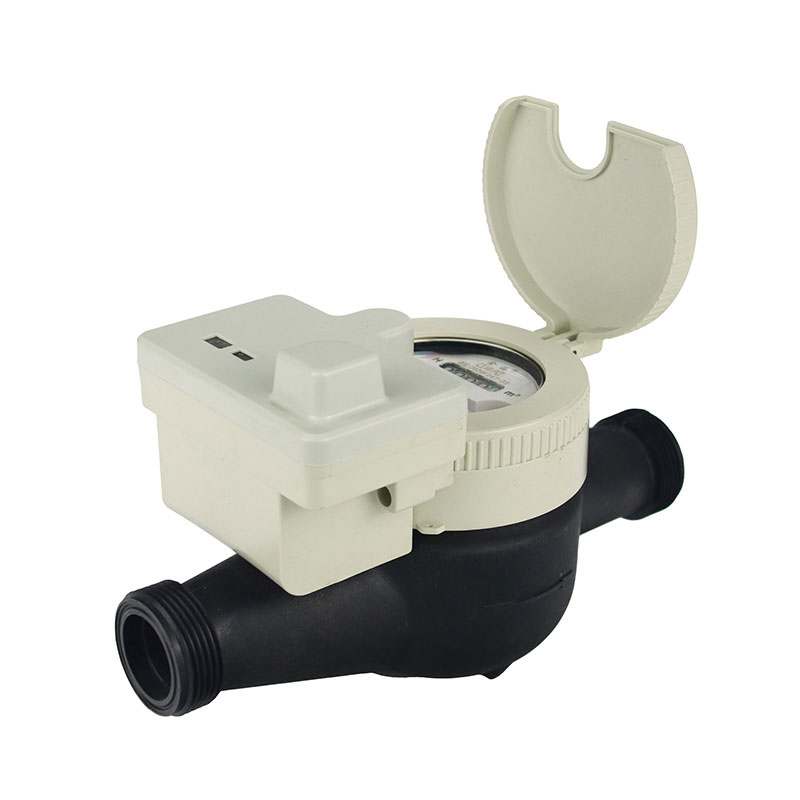 Valve Controlled Remote Intelligent Water Meters: A Revolution in Water Management
 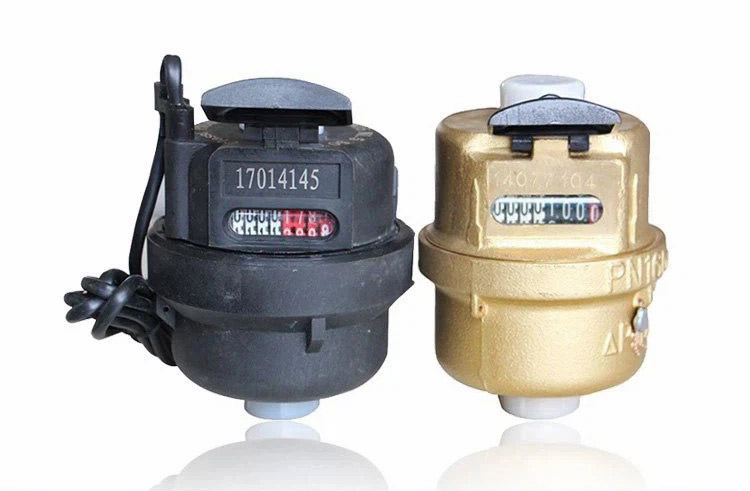 The Inner Workings: Exploring Materials in Water Meter Bodies
  Your Water Bill: The Story Told by Your Water Meter Data
  The Silent Leak: Detecting Water Meter Issues for Efficient Water Management
  The Split-Case Advantage: Understanding Split-Case Water Meter Bodies
  The Indispensable Filter: Understanding Water Meter Strainers
  Wet vs. Dry Water Meters: A Comprehensive Guide to Understanding the Differences