
What is the process for diagnosing a faulty water meter
2023-04-06
Residential Water Meter | Single Jet Water Meter | Multi Jet Water Meter | Volumetric Rotary Piston Water Meter | Ultrasonic Water Meter | Ultrasonic Heat Meter
Woltman Water Meter | Smart Water Meters | Direct Read Water Meter | Electromagnetic Water Meter | Multi Jet Wet Type Liquid Sealed Intelligent Water Meter
Woltman Water Meter | Smart Water Meters | Direct Read Water Meter | Electromagnetic Water Meter | Multi Jet Wet Type Liquid Sealed Intelligent Water Meter
Water meters are devices used in households to measure the amount of water consumed. However, there may be instances where the water meter may provide incorrect readings or indicate a leak within the house. In such situations, it is advisable to perform some basic tests before contacting the city authorities. These tests will help determine whether the problem is with the water meter or if there is a leak within the house. Additionally, homeowners can also get an idea of the costs involved in replacing a faulty water meter. By conducting these tests and evaluations, homeowners can ensure they are not paying for water that they haven't used and prevent unnecessary wastage of water.
Here is the content list:
- What are the reasons behind a malfunctioning water meter?
- What are the steps involved in conducting a water meter test?
- faulty water meter symptoms
What are the reasons behind a malfunctioning water meter?
This description explains that the most frequent reason for water meter failure is age-related wear and tear. It also mentions that mechanical failures are rare, and that inaccurate readings are often due to issues such as leaks or insufficient water flow. The text suggests that homeowners can perform some tests to diagnose the cause of significant fluctuations in their water meter readings.
This description explains that the most frequent reason for water meter failure is age-related wear and tear. It also mentions that mechanical failures are rare, and that inaccurate readings are often due to issues such as leaks or insufficient water flow. The text suggests that homeowners can perform some tests to diagnose the cause of significant fluctuations in their water meter readings.
What are the steps involved in conducting a water meter test?
The amount of water flow registered by your meter may fluctuate due to several reasons, including leaks, inadequate water flow, or a malfunctioning meter. In case you notice abnormal readings on your meter, it is essential to conduct the following tests to diagnose the underlying problem. By doing so, you can identify the root cause of the fluctuation in the
water flow and take the necessary steps to address the issue.
1. Conduct a leak test on your meter.
To determine if you have a leak in your home that is increasing your water usage, you should first make sure that no water fixtures, such as toilets, sinks, or showers, are currently in use. Once you have confirmed that there is no water flow, you can check the flow rate on your water meter. After waiting at least 15 minutes, check the flow rate again. If the needle on the water meter has changed at all during this 15-minute period, it is likely that you have a leak in your home.
If you suspect a leak, you can check various fixtures in your home. For example, to check for a toilet leak, you can add a few drops of food coloring to the toilet tank and wait at least an hour without flushing. If any of the coloring reaches the water in the toilet bowl, then there is a leak in the system. For slow leaks, you can let the food coloring sit in the tank overnight without flushing. You may also be able to detect leaks from other sources, such as mildew and moldy spots or by listening for running water in the walls or floors.
To determine if you have a leak in your home that is increasing your water usage, you should first make sure that no water fixtures, such as toilets, sinks, or showers, are currently in use. Once you have confirmed that there is no water flow, you can check the flow rate on your water meter. After waiting at least 15 minutes, check the flow rate again. If the needle on the water meter has changed at all during this 15-minute period, it is likely that you have a leak in your home.
If you suspect a leak, you can check various fixtures in your home. For example, to check for a toilet leak, you can add a few drops of food coloring to the toilet tank and wait at least an hour without flushing. If any of the coloring reaches the water in the toilet bowl, then there is a leak in the system. For slow leaks, you can let the food coloring sit in the tank overnight without flushing. You may also be able to detect leaks from other sources, such as mildew and moldy spots or by listening for running water in the walls or floors.
2. Please verify the accuracy of your meter's readings.
If you are experiencing fluctuations in your water consumption despite a successful leak test, you can check the accuracy of your meter using a simple bucket test. Start by turning off all water fixtures in your home and taking note of the reading on your water meter. Make sure to record the total volume reading, not the flow rate. Then, fill a container of a known volume, such as a bucket, and check the new reading on the meter. The larger the container, the more accurate the test results will be. The difference between the old and new readings should reflect the volume of water in the container. If there is a difference of more than 1.5 percent, then your meter may be reading inaccurately.
If you are experiencing fluctuations in your water consumption despite a successful leak test, you can check the accuracy of your meter using a simple bucket test. Start by turning off all water fixtures in your home and taking note of the reading on your water meter. Make sure to record the total volume reading, not the flow rate. Then, fill a container of a known volume, such as a bucket, and check the new reading on the meter. The larger the container, the more accurate the test results will be. The difference between the old and new readings should reflect the volume of water in the container. If there is a difference of more than 1.5 percent, then your meter may be reading inaccurately.
3. It is advisable to have your water meter inspected for any signs of damage.
In certain municipalities, only authorized contractors or the water company are allowed to perform maintenance on water meters that are connected to the city's water lines. If you have checked your home for leaks and confirmed their absence, but still notice inaccurate readings on your water meter, it is recommended that you contact your water company to inspect or replace the meter. It is possible that the water company may charge you for their services if your meter's readings are within an acceptable range of accuracy. However, if the meter is found to be inaccurate, the water company will not charge you for the inspection or replacement.
In certain municipalities, only authorized contractors or the water company are allowed to perform maintenance on water meters that are connected to the city's water lines. If you have checked your home for leaks and confirmed their absence, but still notice inaccurate readings on your water meter, it is recommended that you contact your water company to inspect or replace the meter. It is possible that the water company may charge you for their services if your meter's readings are within an acceptable range of accuracy. However, if the meter is found to be inaccurate, the water company will not charge you for the inspection or replacement.
- If you notice any of the following signs with your water meter, it is possible that a replacement may be necessary.
- If there are any leaks present in the water meter, it may require replacement.
- If there is low water pressure throughout your home, it may be an indication that your water meter needs to be replaced.
- If your water meter is not registering any water usage, it may be necessary to replace it.
- If your water meter readings are inconsistent and unpredictable, it may be an indication that a replacement is needed.
- If you hear any unusual noises coming from your water meter, it may be necessary to replace it.
- If you are unable to shut off the water supply using your water meter, it may be an indication that a replacement is needed.
If you are experiencing low water pressure in your home or building, it may not necessarily be caused by a problem with the water meter. In fact, low water pressure can be caused by a variety of factors unrelated to the meter. Therefore, before assuming that the water meter is the root cause of the issue, it is recommended to troubleshoot other potential causes of low water pressure. By ruling out other possible factors first, you can ensure that you are taking the appropriate steps to resolve the problem and avoid unnecessary costs or repairs.
We hope this article was helpful for you. If you still have questions or if you need more information of water meters, you can contact us freely. Our website is https://www.kinmeter.com and mail is info@kinhil.com ,Kinhil is dedicated to providing high quality water meters and good service to our customers and friends!Thank you for reading.
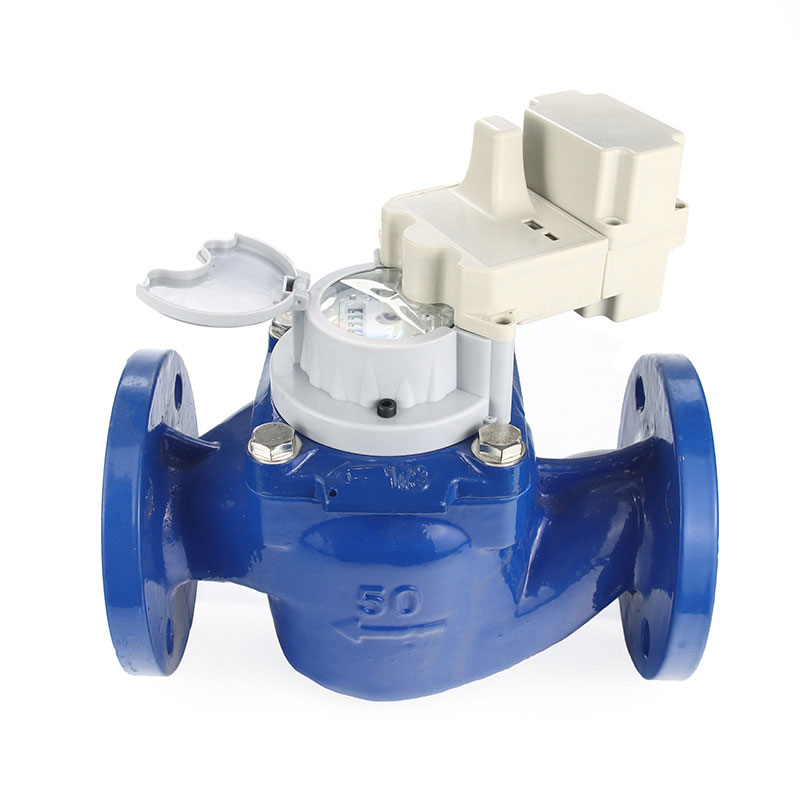 Water Flow Meter Drives Smart Water Management Upgrade
 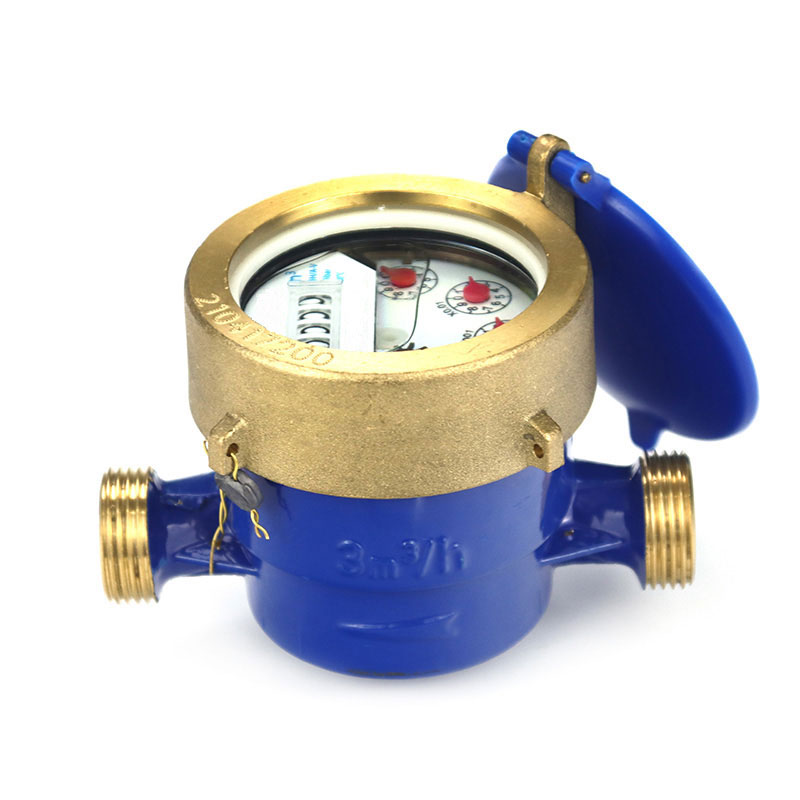 Old water meter replacement campaign launched: Solving metering challenges, benefiting millions of residents
 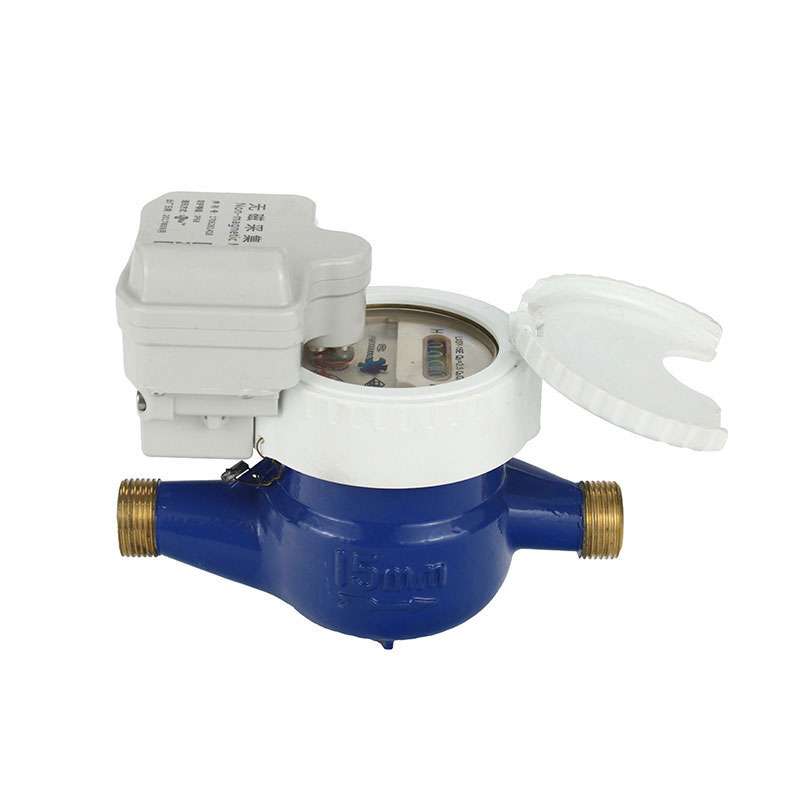 Smart Water Meters: The Digital Pulse of Urban Water Management
 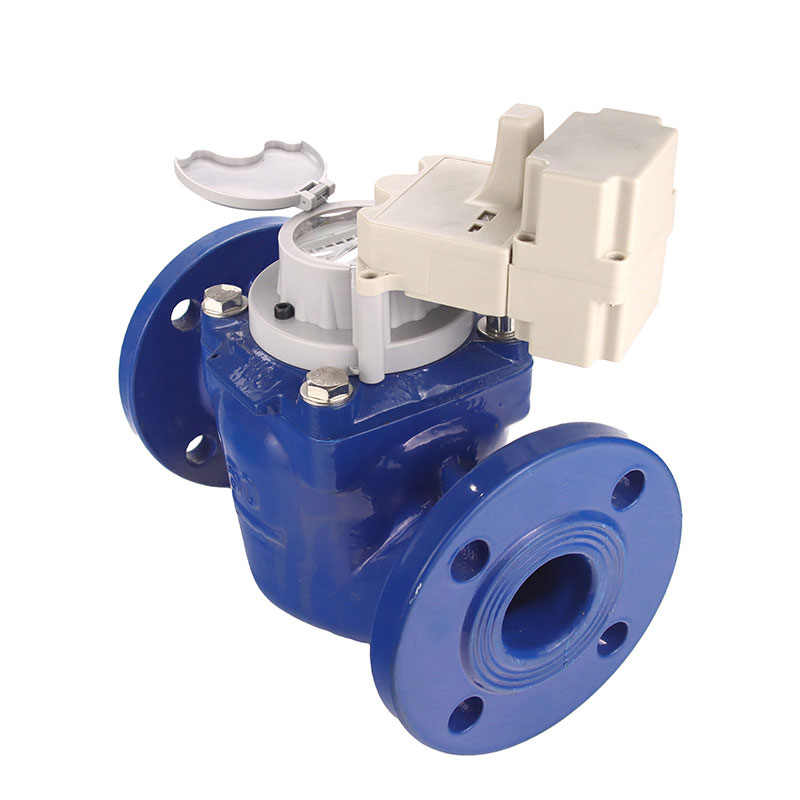 Say Goodbye to Overdue Bills – Start with a Prepaid Water Meter
  The Ultimate 2025 Guide to Water Meter Reading Worksheets
 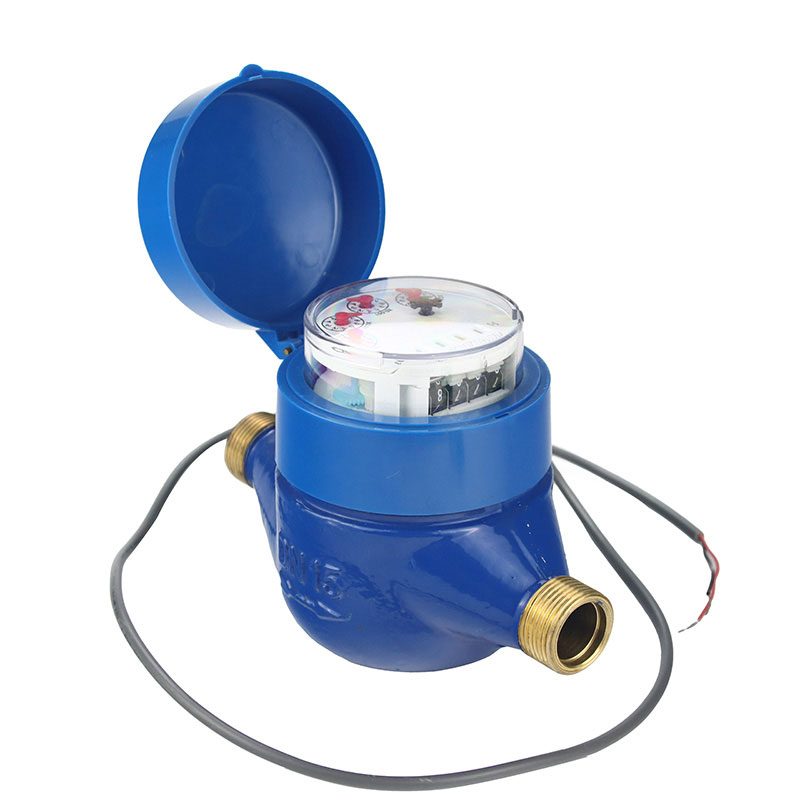 Vertical vs. Horizontal Water Meters: A Comprehensive Analysis
 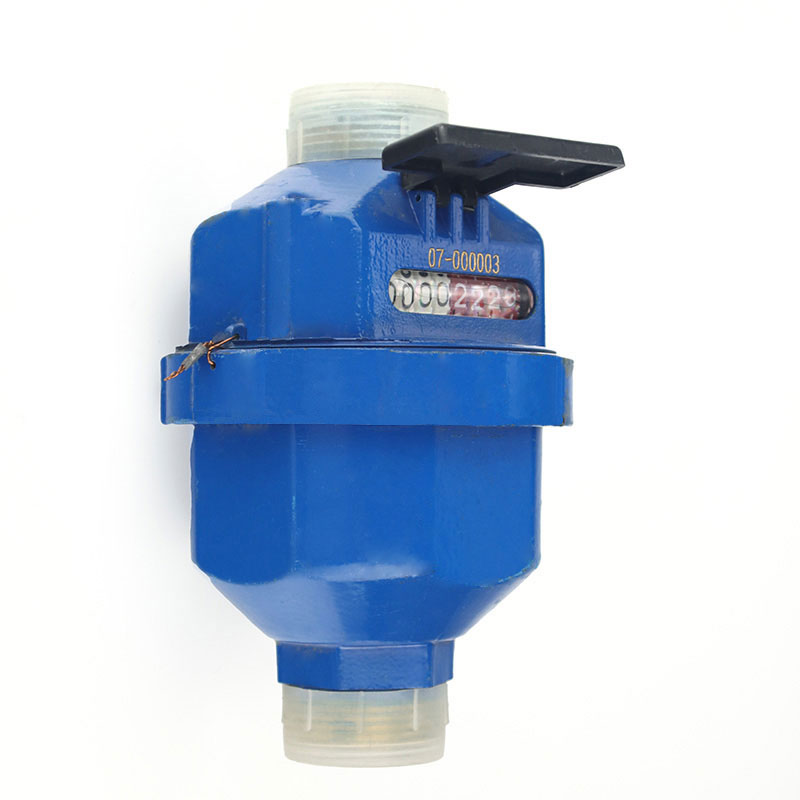 Wireless Water Meters: A Revolution in Water Management
  Compound Water Meters: A Comprehensive Guide
 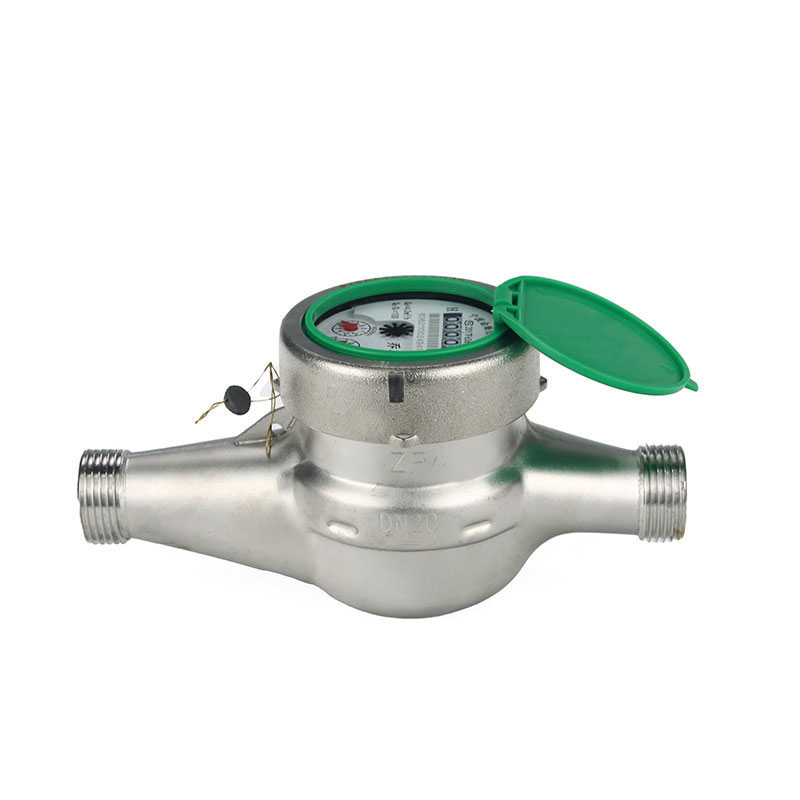 How to Properly Size a Water Meter
 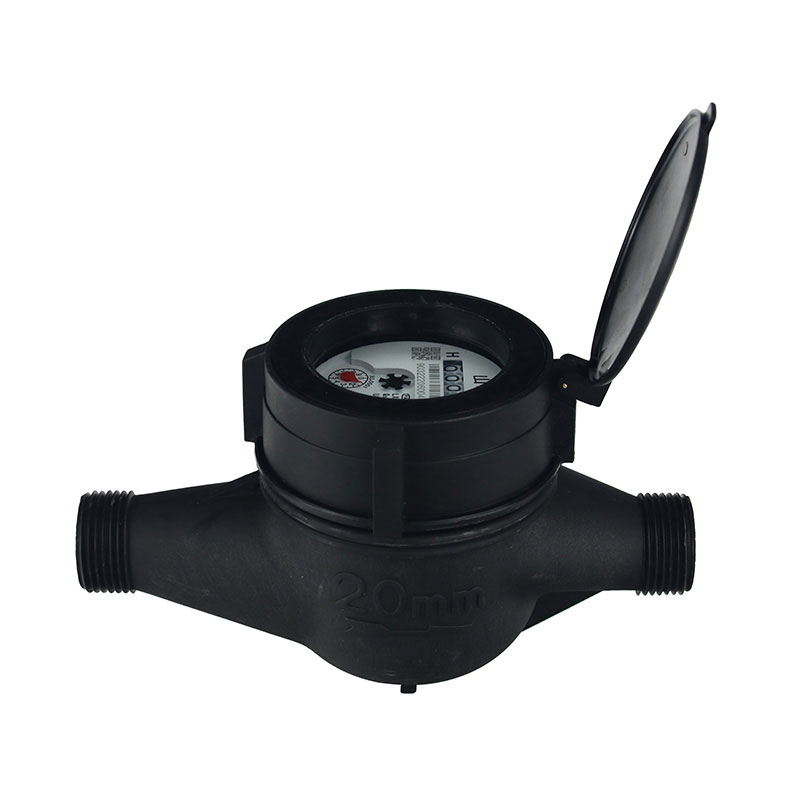 Protecting Your Water Meter from Winter's Chill
  Revolutionizing Water Management: The Multi Jet Dry Type Intelligent Iron Water Meter
  Removable Woltman Water Meters: A Closer Look
  Understanding Electromagnetic Meters: Precision Tools for Accurate Water Measurement
  Valve Controlled Remote Intelligent Water Meters: A Revolution in Water Management
  The Inner Workings: Exploring Materials in Water Meter Bodies
  Your Water Bill: The Story Told by Your Water Meter Data
  The Silent Leak: Detecting Water Meter Issues for Efficient Water Management
  The Split-Case Advantage: Understanding Split-Case Water Meter Bodies
  The Indispensable Filter: Understanding Water Meter Strainers
  Wet vs. Dry Water Meters: A Comprehensive Guide to Understanding the Differences